For millions of Australians over the age of 65, private health insurance has long been viewed as part of a retirement plan rather than an optional expense.
Many spent decades paying premiums with the expectation that private cover would provide greater choice, shorter waiting times and additional peace of mind later in life. That is why recent changes to the private health insurance rebate have generated such a strong reaction among older Australians.
The federal government’s decision to remove higher age-based rebate levels and align the rebate across age groups has become one of the most debated elements of the latest budget.
Supporters argue the reform improves fairness between generations and helps fund growing aged-care commitments. Critics argue it will place additional financial pressure on retirees already struggling with rising living costs.
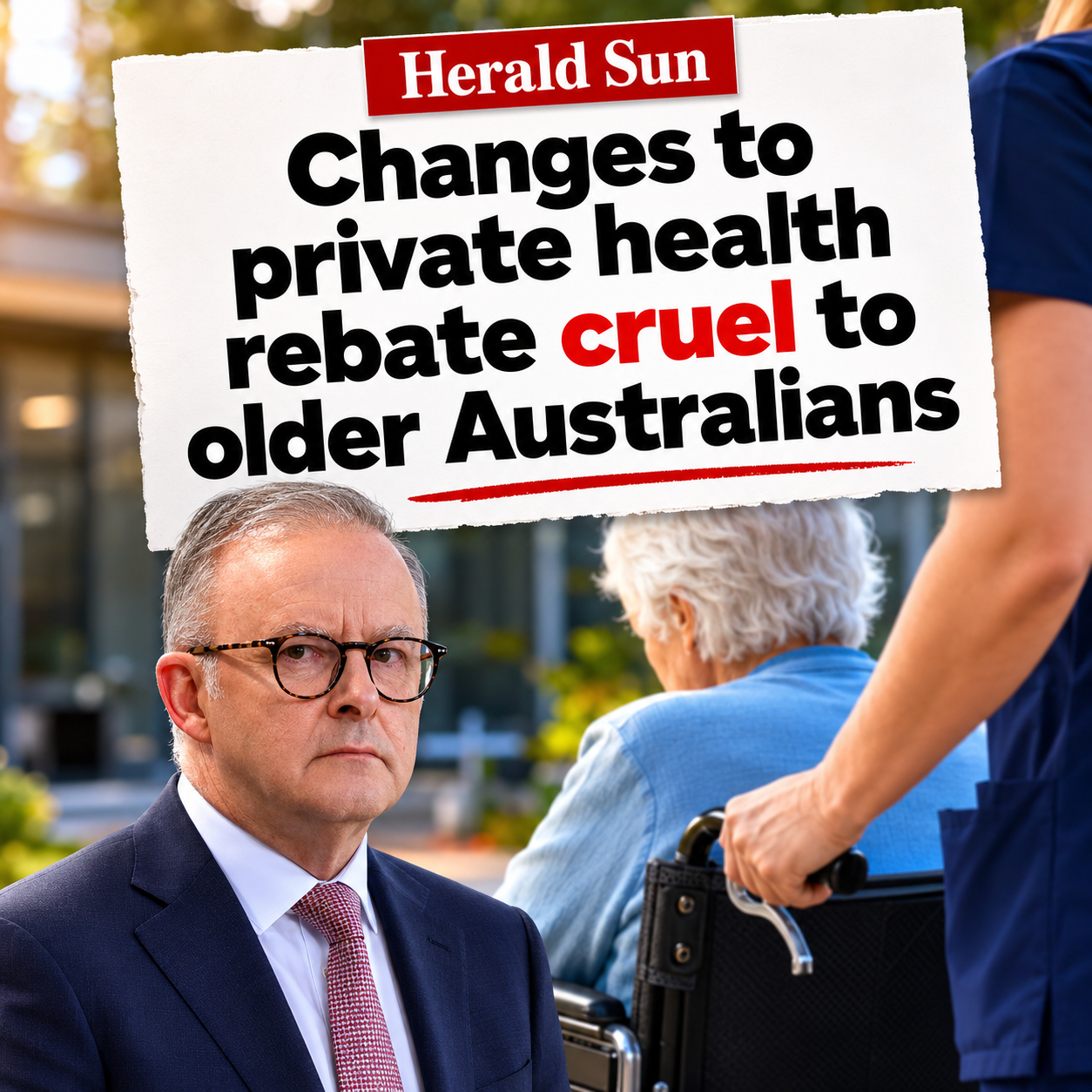
At the centre of the controversy is a relatively simple change.
Under the existing system, Australians aged 65 and over receive a higher private health insurance rebate than younger Australians on the same income. The government plans to remove those age-based uplifts from April 2027 and determine rebates solely according to income. The change is expected to affect more than three million Australians aged over 65.
For many retirees, the concern is not the policy itself but the practical effect on household budgets.
Older Australians are more likely to use health services, visit specialists and require hospital treatment than younger age groups. At the same time, many retirees rely on fixed incomes from pensions, superannuation or savings. When living costs rise, there are often limited opportunities to increase income.
That reality has made healthcare costs particularly sensitive.
Advocacy groups representing seniors say even relatively modest increases can have a significant impact on households already dealing with higher utility bills, council rates, insurance premiums and grocery costs. Several organisations have warned that some retirees may reassess whether they can continue maintaining the same level of private cover.
The insurance industry has also expressed concern.
Industry groups argue that private health insurance plays an important role in relieving pressure on public hospitals. Their concern is that if enough older Australians downgrade or abandon cover, additional demand could eventually flow into the public system. Some modelling cited by industry organisations suggests tens of thousands of people could reconsider their private cover following the rebate changes.
That possibility has become one of the central arguments used by critics of the policy.
Australia’s public hospitals already face significant demand pressures in many regions. Waiting lists, workforce shortages and population growth remain ongoing challenges. Opponents argue that any measure which discourages private insurance participation could make those pressures more difficult to manage.
The government, however, sees the issue differently.
Health Minister Mark Butler has argued that providing larger rebates based purely on age rather than income is difficult to justify in the current fiscal environment. The government’s position is that two Australians on identical incomes should not receive different subsidy levels simply because one is older than the other. Savings generated by the change are intended to support aged-care services and broader healthcare priorities.
This argument centres on what the government describes as fairness between generations.
Supporters of the reform note that younger Australians face their own financial challenges, including housing affordability, student debt and rising living costs. They argue that public subsidies should be targeted according to income rather than age.
Yet for many older Australians, the debate is about more than policy theory.
It is about predictability.
People who have held private cover for decades often made long-term financial decisions based on the assumption that existing rebate structures would remain broadly stable. Even relatively small changes can feel significant when they arrive after retirement.
That emotional dimension helps explain why the issue has attracted attention far beyond the health sector.
The discussion also highlights a broader challenge facing Australia.
The population is ageing. Demand for aged care is increasing. Healthcare costs continue rising. Governments face growing pressure to fund services while also maintaining budget sustainability. In that environment, difficult trade-offs become unavoidable.
The private health insurance rebate debate is one example of those competing pressures colliding.
On one side is the goal of reducing government spending and redirecting resources into aged-care services. On the other is concern about the financial impact on older Australians who have structured their retirement around existing arrangements.
Neither side disputes that healthcare funding is under pressure.
The disagreement is about how those pressures should be managed and who should bear the cost.
What happens next will depend on how older Australians respond once the changes take effect. Some may absorb the additional costs without altering their cover. Others may choose cheaper policies with reduced benefits. A smaller group may decide to leave the private system altogether.
The scale of that response will be closely watched by governments, insurers and healthcare providers alike.
For now, one thing is clear.
The debate is no longer just about insurance rebates. It has become part of a much larger national conversation about retirement, healthcare affordability, cost-of-living pressures and how Australia funds essential services for an ageing population.
For millions of Australians approaching retirement or already living on fixed incomes, those questions are becoming increasingly important. The answers could shape not only household budgets, but also the future balance between Australia’s public and private healthcare systems.






