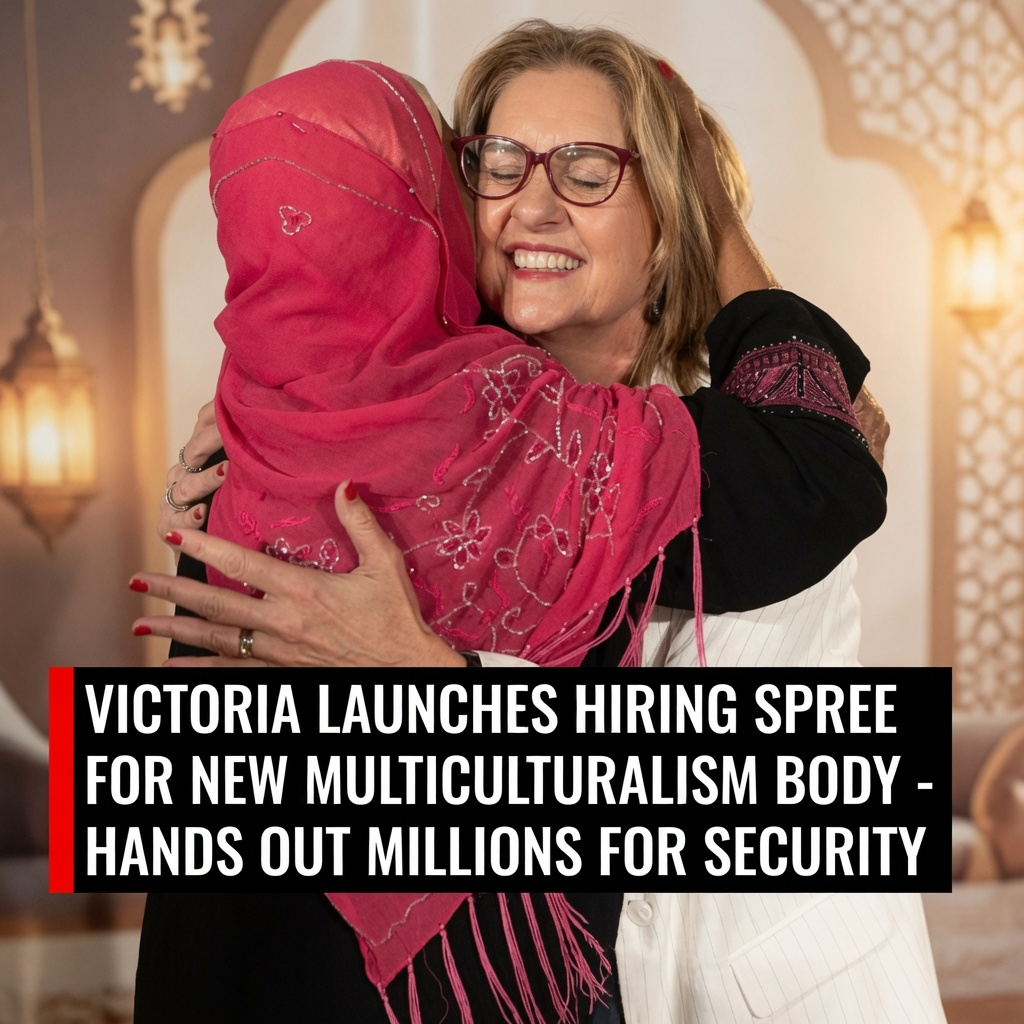
Victoria’s Labor government is moving to recruit the leadership of a new statutory multicultural body while separately directing almost $6 million to community facilities, including major security upgrades at religious and cultural gathering places.
The two announcements, made within days of each other, underline the Allan government’s increasingly prominent focus on multicultural and multifaith policy as political debate over immigration, social cohesion and the rise of One Nation intensifies.
Applications are expected to open for senior roles at Multicultural Victoria, a proposed statutory body intended to bring together the functions of the Victorian Multicultural Commission and the government’s Multicultural Affairs operation.
The new entity remains subject to legislation passing Parliament, but the government has already outlined the leadership structure it wants to establish.
Positions will include a Coordinator General to lead Multicultural Victoria, two Deputy Coordinators General — with one drawn from regional Victoria — and members of a Multicultural Community Advisory Group.
Minister for Multicultural and Multifaith Victoria Ingrid Stitt said the organisation was designed to improve direct links between government and communities across the state.
“Labor will always support a multicultural Victoria. Multiculturalism is one of Victoria’s greatest strengths,” Ms Stitt said.
“We are backing Victoria’s multicultural and multifaith communities — ensuring their voices are represented and heard.”
The government says Multicultural Victoria will improve the way it listens to and connects with communities “on the ground”, with the broader goal of supporting social cohesion and giving multicultural and multifaith groups a stronger voice in government processes.
It is a significant administrative restructure rather than simply a change of name.
The Victorian Multicultural Commission has existed as a statutory body for decades and is currently constituted under the Multicultural Victoria Act 2011. Its role has included community engagement, advocacy and providing independent advice to government on policies and services affecting multicultural Victorians.
Under the government’s proposed model, Multicultural Victoria would combine the functions of the commission and Multicultural Affairs while taking on additional responsibilities.
Among those new responsibilities would be the development of safety plans for communities affected by what the government describes as “serious and distressing events”.
The proposed changes follow a review of Victoria’s multicultural system that heard from more than 600 Victorians during more than 50 consultation sessions. The government has presented the new body as a response to calls for stronger coordination and more direct engagement between decision-makers and communities.
The Ethnic Communities’ Council of Victoria previously welcomed the plan to establish Multicultural Victoria, describing the proposed restructure as the beginning of a new era for multicultural policy and an opportunity to rebuild trust.
However, the recruitment push also arrives at a politically sensitive moment.
One Nation has been attracting increased attention in Victoria, with recent polling reported by The Australian placing the party on 27 per cent of the primary vote in the state, narrowly ahead of Labor and the Coalition on 26 per cent each.
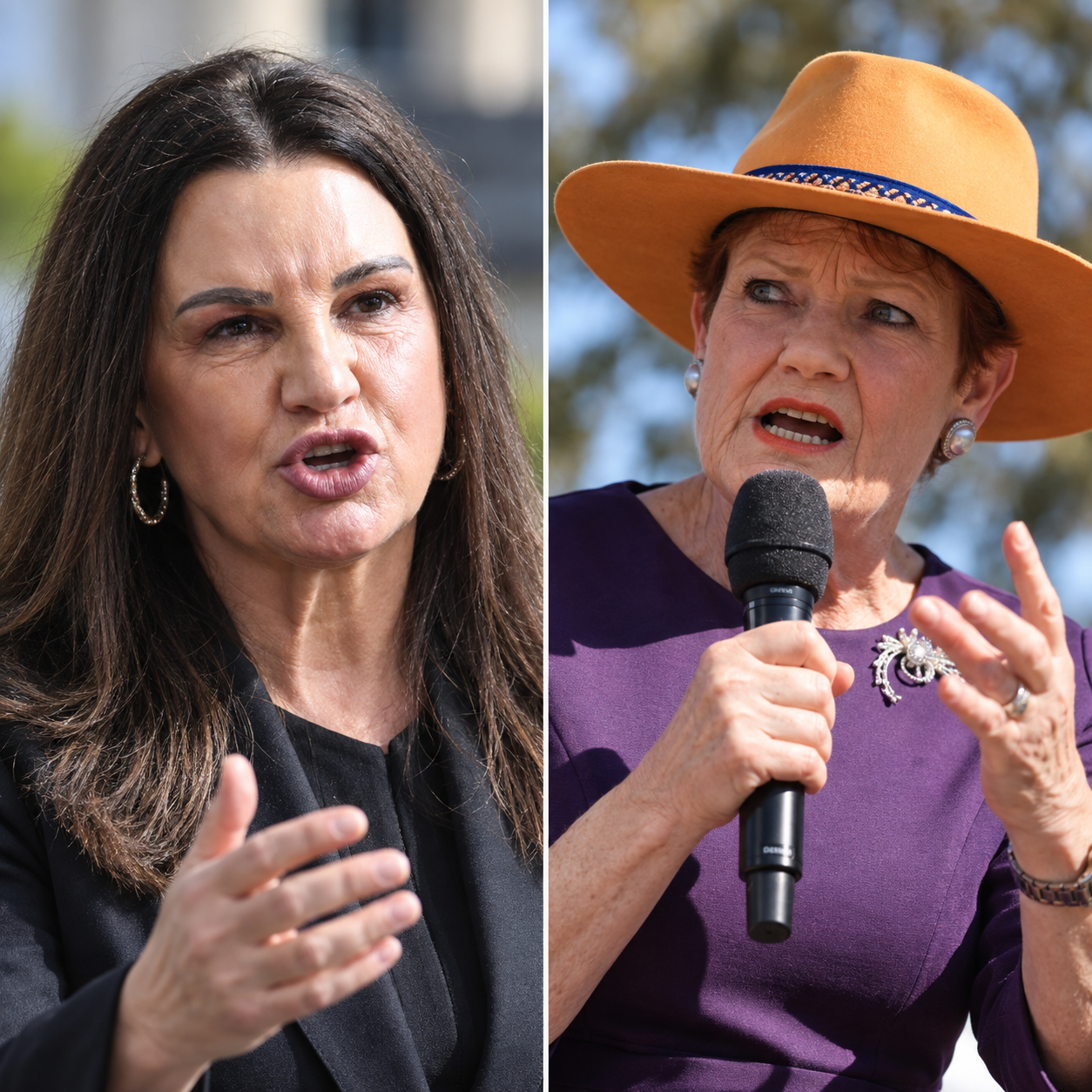
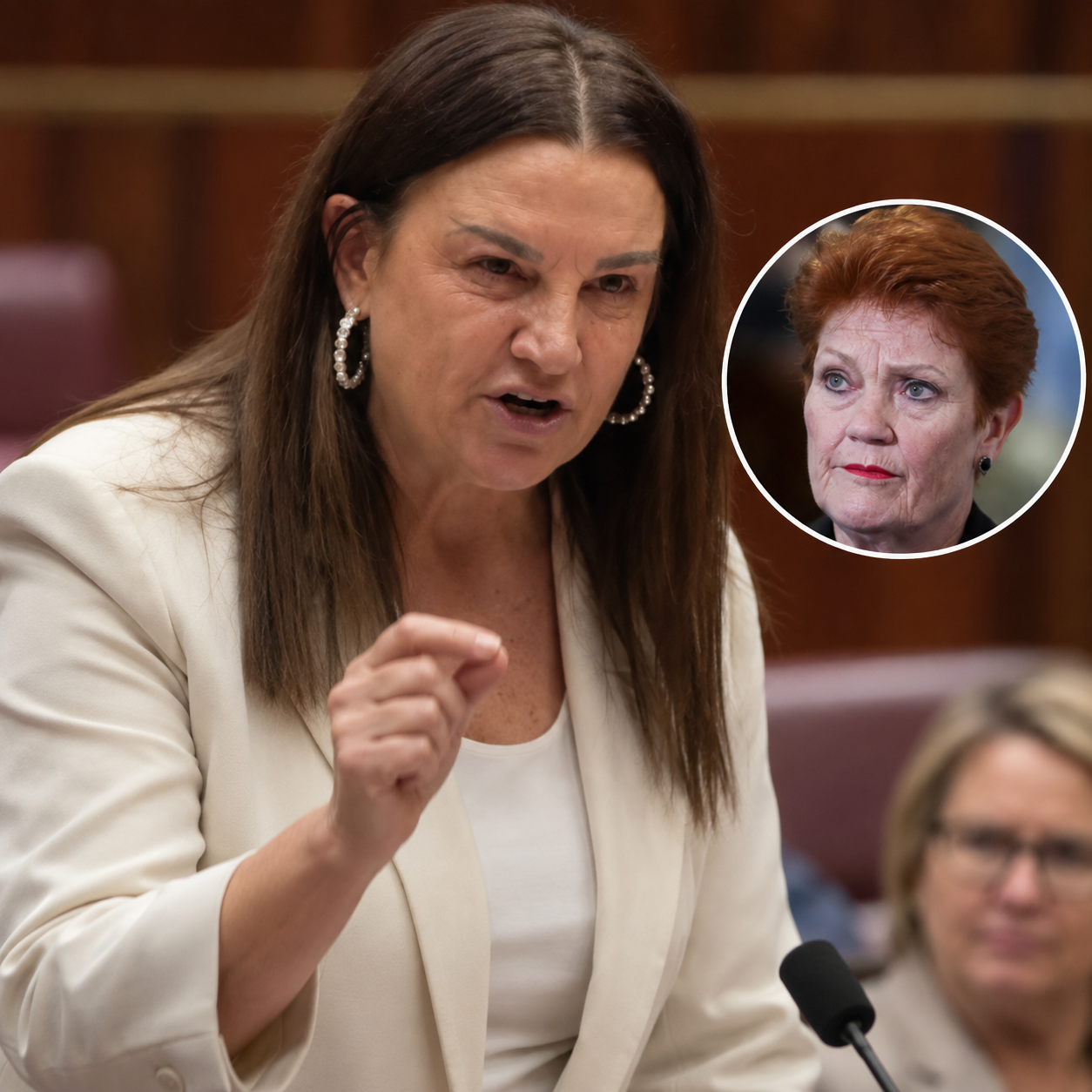
That polling has intensified debate about Pauline Hanson’s party and its ability to reshape Victorian politics ahead of the next state election.
Labor has increasingly sought to draw a sharp political contrast between its multicultural policies and One Nation, warning communities about the consequences of the minor party gaining greater influence.
In comments accompanying the government’s latest multicultural funding announcement, the Premier’s office explicitly attacked the prospect of One Nation wielding political power.
“We know the harm a One Nation Liberal coalition will cause. They’ve gone after multicultural communities before and we know they’ll do it again,” the Premier’s office said.
The rhetoric comes after Hanson used a National Press Club appearance in June to again criticise multiculturalism and advocate for what she described as a monocultural society.
The Coalition, meanwhile, has rejected suggestions of a formal alliance with One Nation. The political argument nevertheless provides the backdrop to Labor’s efforts to emphasise its support for multicultural communities.
Two days after details of the Multicultural Victoria recruitment process were announced, the government revealed that 57 organisations would share close to $6 million through the 2025–26 Multicultural Infrastructure and Security Program.
The program funds maintenance, renovations and physical security work at existing community facilities used by multicultural and multifaith organisations.
Eligible projects can include security planning, fixed assets, outdoor areas and physical security measures, as well as broader upgrades and maintenance work.
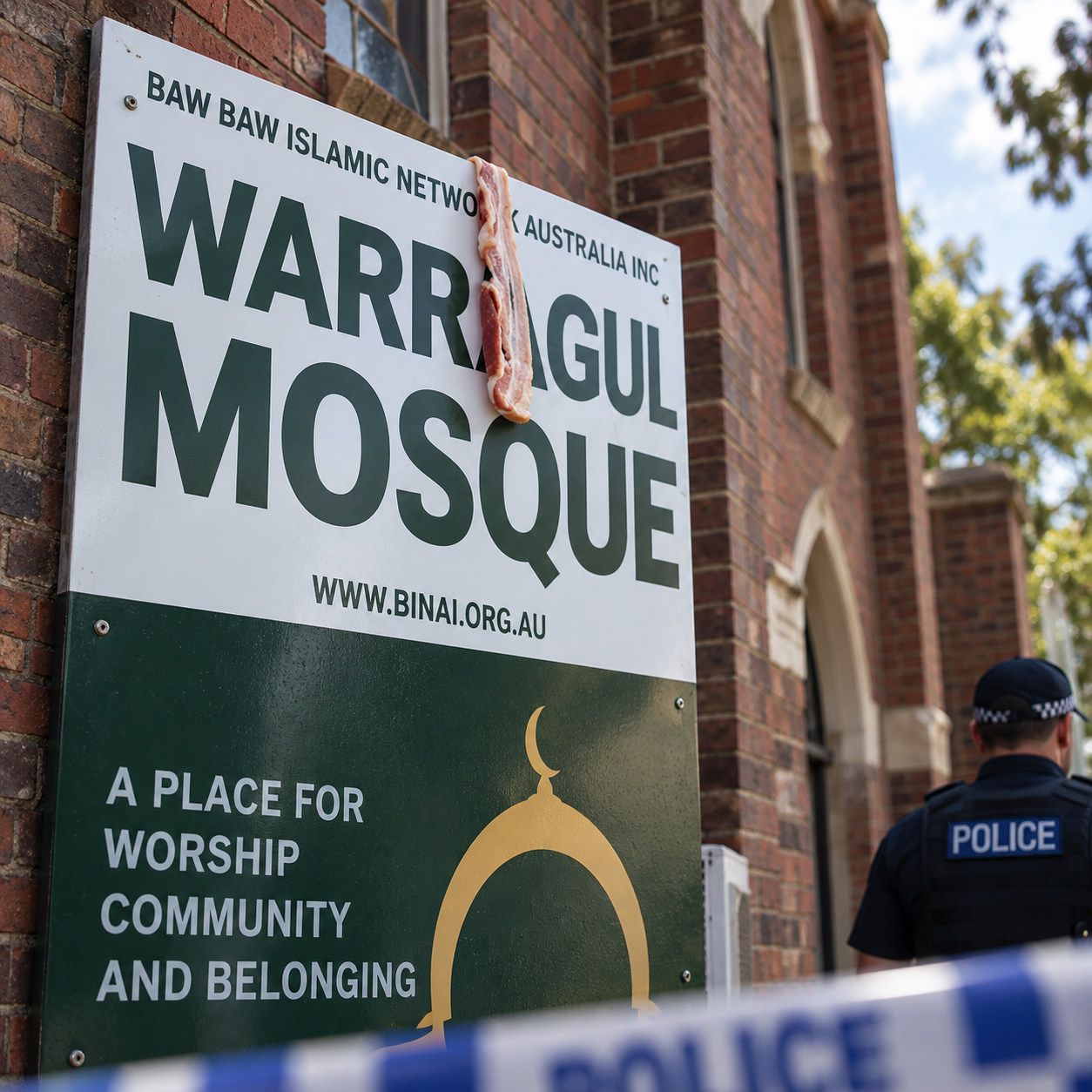
The government says the latest round will support communities representing about 24 ethnicities and 14 faiths.
Fifteen funded projects are located in regional and rural Victoria, while another 42 support metropolitan communities.
Security is a particularly visible element of the latest grants.
Kali Mata Mandir in Craigieburn will receive more than $80,000 to upgrade its security camera system and lighting at the Hindu temple.
The Holy Apostolic Catholic Assyrian Church of the East in Coolaroo will receive more than $380,000 for work including exterior security lighting, an upgraded security camera system and inground bollards.
Such measures are intended to protect buildings that often function as more than places of worship. Community facilities can also host cultural events, language activities, social services and gatherings for migrant families and older residents.
The official guidelines for the infrastructure and security program say its objectives include helping communities celebrate their culture and traditions, build community connections, access social and cultural opportunities and improve the security of their facilities.
Grants of up to $400,000 were available under the 2025–26 program for eligible Victorian multicultural and multifaith community organisations.
Ms Stitt said the government wanted Victorians to have safe spaces where they could express their identity and practise their faith.
“We’re proud to continue our work to support Victoria’s multicultural and multifaith communities and ensure that all Victorians have spaces where they can feel proud and safe to express who they are,” she said.
The nearly $6 million infrastructure announcement is not an isolated funding decision.
Only days earlier, the government announced $4.9 million for close to 200 multicultural organisations through the 2025–26 Multicultural Capacity Building Program.
Those organisations represent more than 46 ethnic communities and 15 faith groups, according to the government.
More than $1.6 million of that funding was allocated to organisations from new and emerging communities and regional areas.
The capacity-building program is structured differently from the infrastructure and security grants. Rather than concentrating on buildings and physical protection, it is intended to help community organisations strengthen their operations and increase their impact.
Funding streams are available for organisations of different sizes and levels of development, with support potentially directed towards the foundations required to run sustainable community services and activities.
Taken together, the announcements amount to almost $11 million in recently publicised multicultural grants across the two programs, alongside the planned establishment of a new statutory body.
The scale and timing are likely to attract scrutiny from both supporters and critics of the government’s approach.
For Labor, the argument is that Victoria’s cultural diversity requires government structures capable of communicating directly with communities, particularly during crises, and that community buildings must be safe and fit for purpose.
Victoria’s multicultural framework already places formal responsibilities on government. The Multicultural Victoria Act provides a whole-of-government framework for multiculturalism, establishes the existing Victorian Multicultural Commission as a statutory authority and requires government departments to develop cultural diversity plans.
The creation of Multicultural Victoria would alter the institutional machinery used to carry out that work.
Supporters of the restructure argue that combining functions could give communities a clearer pathway into government and improve coordination when serious events affect particular ethnic or faith groups.
The government’s inclusion of community safety planning in the new body’s proposed responsibilities also reflects the growing pressure on authorities to respond quickly when overseas conflicts, hate incidents or other distressing events create local concerns.
Critics, however, are likely to question the expansion of government administration and the political framing surrounding the grants, particularly at a time when cost-of-living pressures and Victoria’s financial position remain major public issues.
The government has described the new organisation as a mechanism to improve listening, representation and cohesion. Its eventual size, operating cost and precise statutory powers will be important details as the legislation progresses.
The leadership recruitment also coincides with the end of Vivienne Nguyen’s term as chairperson of the Victorian Multicultural Commission.
Ms Nguyen was appointed in 2019 and played roles including convening the Multifaith Advisory Group and serving on Victoria’s Anti-Racism Taskforce.
She also supported multicultural communities during the COVID-19 pandemic and Victoria’s flood recovery, according to the government.
“It has been a privilege serving the multicultural and faith communities and supporting them in their advocacy efforts with curiosity, sincerity and integrity,” Ms Nguyen said as her term concluded.
The Anti-Racism Taskforce on which she served included representatives from the First Peoples’ Assembly of Victoria, the Victorian Equal Opportunity and Human Rights Commission, the Victorian Multicultural Commission and the Ethnic Communities’ Council of Victoria, along with members from a range of cultural and faith backgrounds.
The transition from the existing commission to Multicultural Victoria will therefore be closely watched by organisations accustomed to dealing with the current system.
There are also practical questions about how an advisory commission and a government multicultural affairs function will operate once brought together under one statutory structure.
The government says the new model will be better equipped to “support and empower” communities and champion “unity and cohesion”. The review behind the reforms identified a need for stronger support as communities faced challenges ranging from the pandemic and cost-of-living pressures to the local effects of overseas conflicts.
For ordinary Victorians, the most immediately visible result of the government’s latest multicultural policy push may be the physical projects funded across the state: new cameras, security lighting, bollards and improvements to heavily used community spaces.
The larger institutional change will take longer.
Multicultural Victoria still depends on legislation, and the effectiveness of the body will ultimately be judged on whether consolidating existing functions produces better communication and practical outcomes rather than simply another layer of administration.
What is already clear is that multicultural policy is becoming a more explicit political dividing line in Victoria.
With Labor defending multiculturalism as one of the state’s “greatest strengths”, One Nation gaining electoral attention and the government committing millions of dollars to community organisations and security projects, the issue is moving well beyond the margins of state politics.
The next stage will be the recruitment of Multicultural Victoria’s senior leadership and the parliamentary process required to establish the body.
At the same time, 57 funded organisations will begin turning the government’s latest grants into physical upgrades at community facilities across metropolitan and regional Victoria.
For the Allan government, the two tracks are part of the same strategy: strengthen the institutions that communicate with multicultural communities and invest directly in the places where those communities gather.
Whether Victorians see that approach as necessary investment or expanding bureaucracy is likely to remain part of an increasingly heated political debate.