Former prime minister Tony Abbott has reignited one of Australia’s most sensitive political debates, declaring that multiculturalism has failed and arguing the country should place greater emphasis on national unity rather than celebrating diversity.
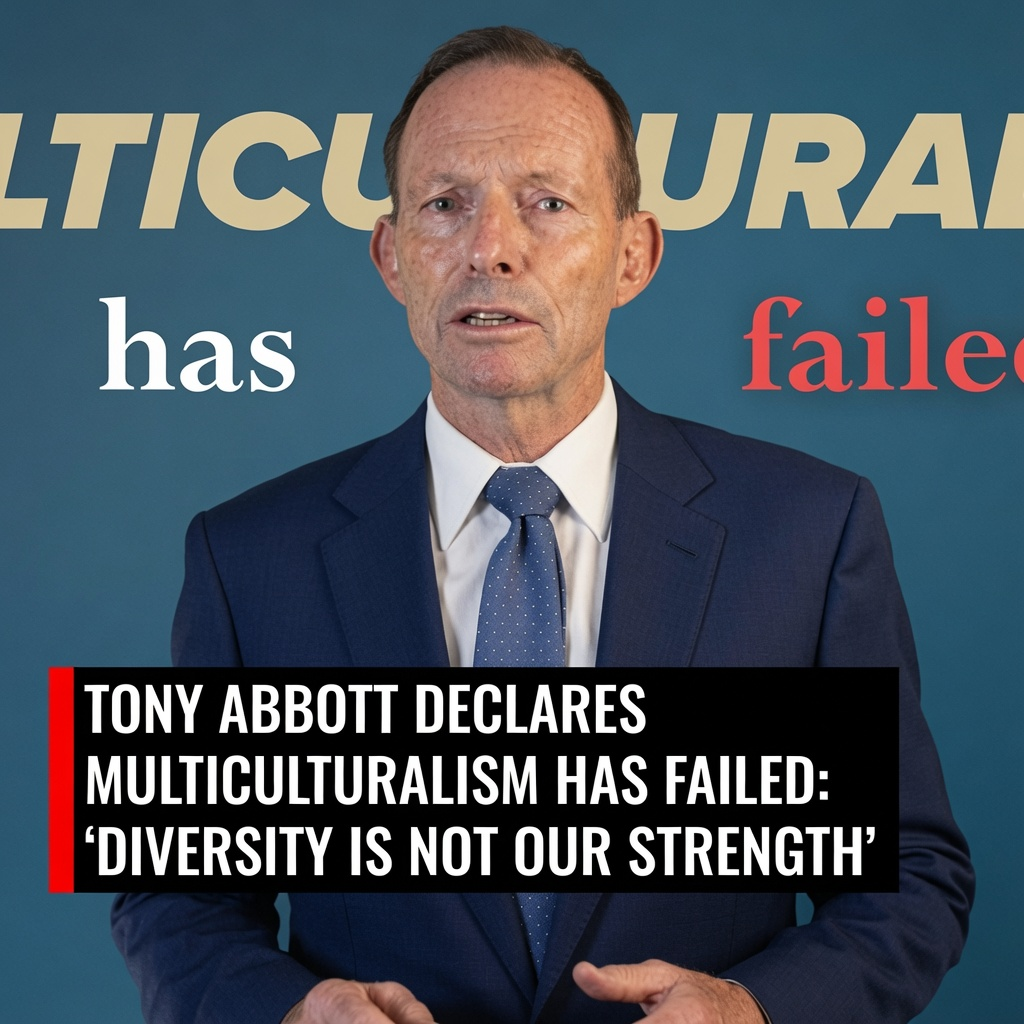
Abbott made the remarks in a video titled Diversity Is Not Our Strength, released through former deputy prime minister John Anderson’s social media channels. The comments immediately drew attention because they differ from the position recently outlined by Opposition Leader Angus Taylor, highlighting continuing debate within conservative politics over immigration, integration and Australia’s national identity.
“Plainly, multiculturalism has failed and diversity is not our strength,” Abbott said in the video.
He argued that Australia should “celebrate diversity less and unity more” and called for policies that would “keep Australia Australian”, while maintaining that migrants remain welcome provided they embrace the country’s democratic institutions, laws and shared civic values.
Abbott pointed to the Bondi Junction mass stabbing as evidence that Australia should reconsider its approach to multiculturalism, describing the tragedy as a wake-up call. Authorities have previously identified the attacker as an Australian citizen with a documented history of serious mental illness, and investigations have not concluded that the attack was motivated by an organised extremist ideology. Nevertheless, Abbott argued the broader incident had prompted renewed reflection about national cohesion and social integration.
The former Liberal leader stressed that he was not arguing against immigration itself. Instead, he distinguished between migration and multiculturalism, saying Australia has historically benefited from newcomers who integrate into the broader community and embrace what he described as Australian values.
“If immigrants share our values and want to join Team Australia, our country grows stronger,” Abbott said.
He contrasted that with migrants who, in his words, merely wish to “live in hotel Australia”, suggesting such an approach contributes to a more fragmented society.
According to Abbott, earlier generations of migrants generally faced clear expectations that they would integrate and assimilate soon after arriving in Australia. He argued that modern multicultural policies have shifted those expectations by encouraging communities to preserve distinct cultural identities rather than placing primary emphasis on a shared national identity.
He also said migration should ensure that “tomorrow’s Australia” remains recognisably connected to today’s Australia, while emphasising that Australians of every race and religion should be welcomed if they respect the nation’s democratic traditions, freedoms and legal system.
The comments arrive during an increasingly prominent national conversation over immigration and multiculturalism.
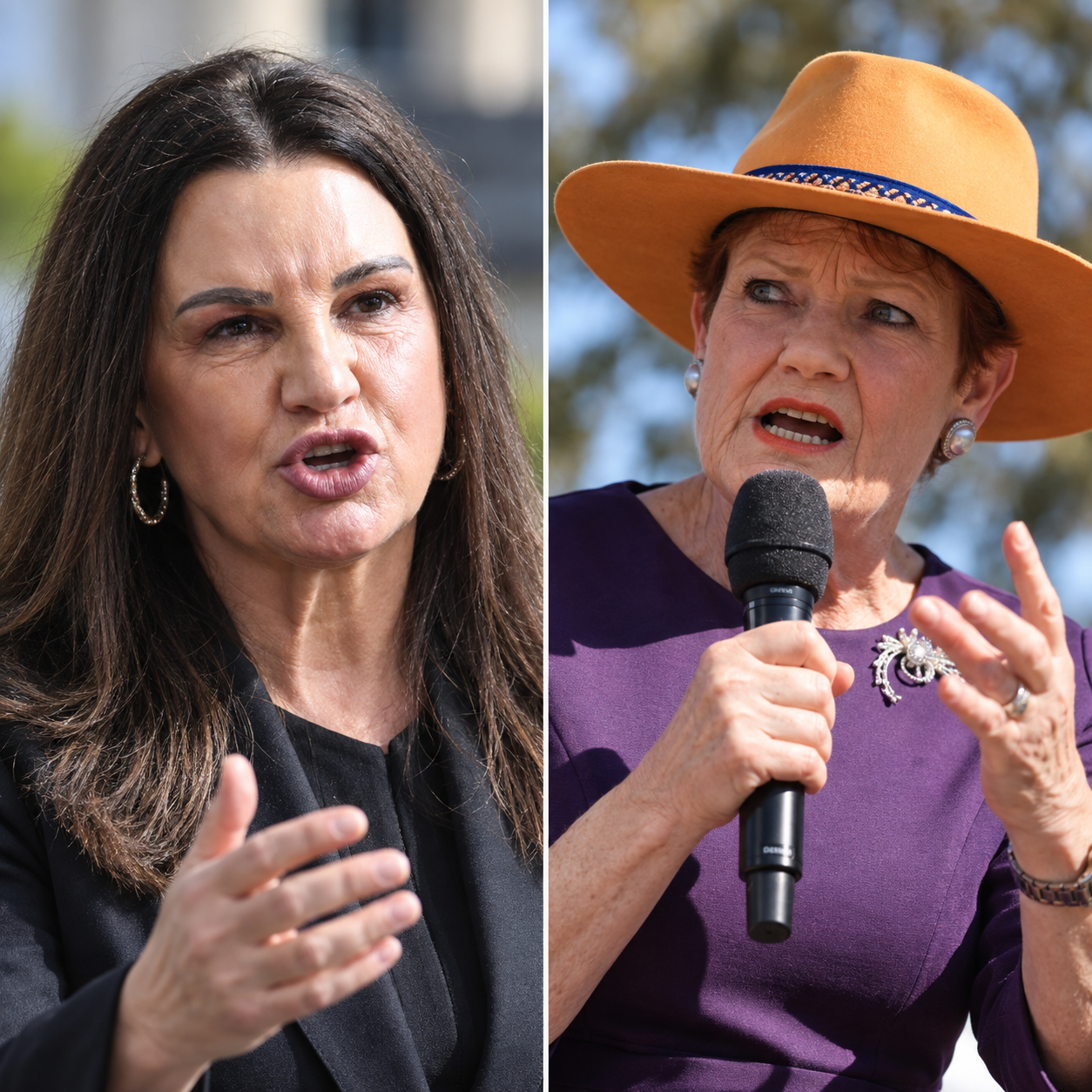
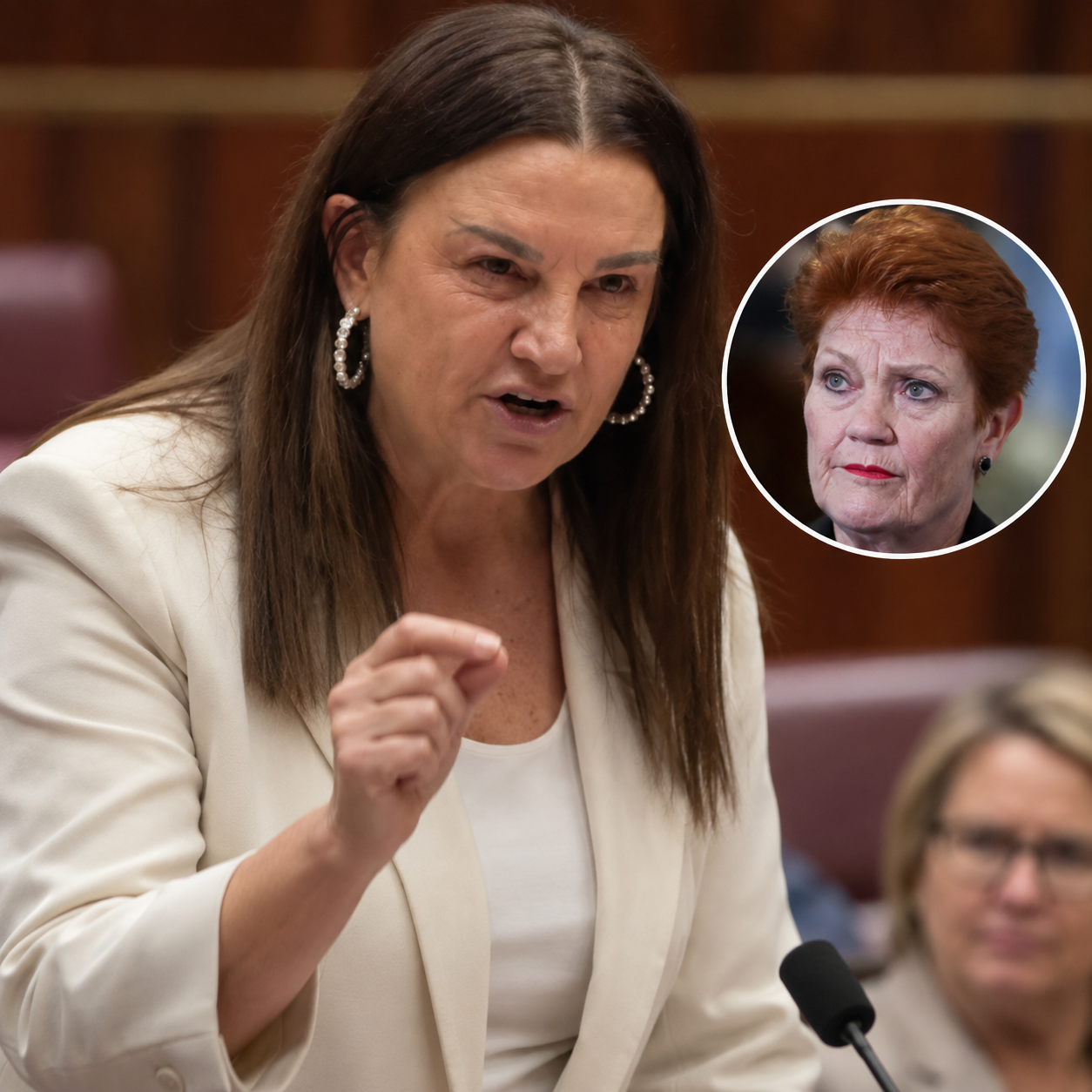
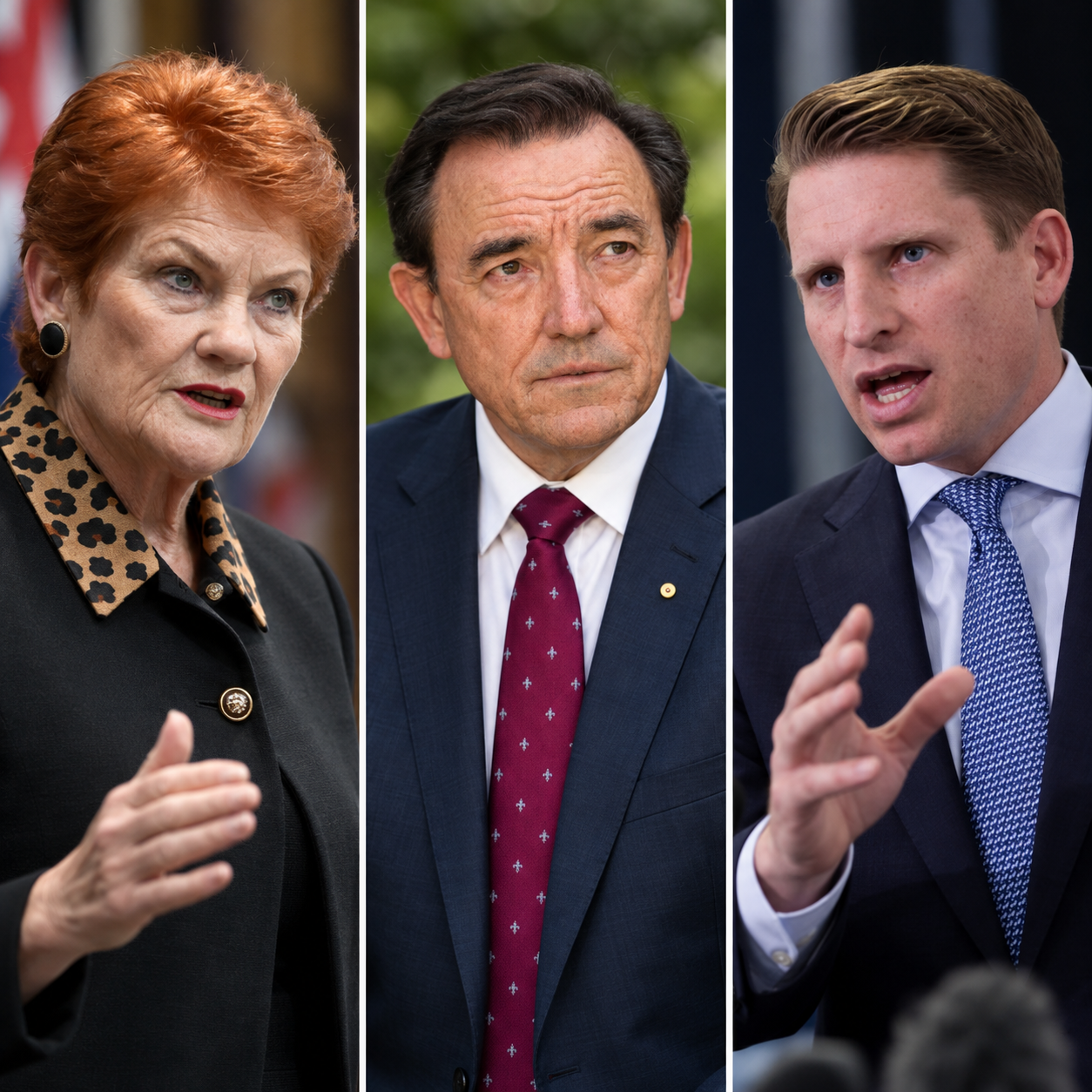
The debate intensified following the recent rise in support for One Nation, whose leader Pauline Hanson has argued Australia should pursue a “monocultural” national identity rather than multiculturalism.
Hanson’s remarks generated widespread political discussion, forcing senior Coalition figures to clarify their own positions on cultural diversity.
Opposition Leader Angus Taylor initially avoided directly answering repeated questions about multiculturalism before later stating that he supported a version of multiculturalism in which people respect Australian laws, share common values and contribute positively to society.
Taylor simultaneously rejected what he described as Labor’s interpretation of multiculturalism, arguing that successful migration depends upon integration alongside civic responsibility.
He later rejected suggestions that Australia should resemble a monocultural society, saying he wanted Australia to remain distinctly Australian rather than modelling itself on another country.
The issue has also exposed differing perspectives within the Liberal Party itself.
Shadow defence spokesman Andrew Hastie criticised the concept of monoculturalism while describing multiculturalism as a politically loaded expression that often means different things to different people.
Other senior Liberals, including Andrew McLachlan and Ted O’Brien, have publicly defended multicultural Australia, arguing that modern Australia has been enriched by generations of migrants while continuing to maintain a strong sense of national identity.
The differing viewpoints illustrate the complexity of the debate rather than a simple division between supporters and opponents of migration.
In practice, most mainstream political leaders continue to support skilled migration and controlled immigration while placing varying levels of emphasis on integration, citizenship and shared values.
Australia has officially embraced multiculturalism as public policy for several decades.
Following the gradual dismantling of the White Australia Policy during the 1960s and 1970s, successive governments from both major political parties increasingly recognised Australia as a multicultural nation.
The policy developed alongside significant immigration from Europe, Asia, the Middle East and Africa, transforming Australia’s demographic profile over several generations.
Today, Australia is among the world’s most culturally diverse democracies.
According to Australian Bureau of Statistics data, almost one-third of Australia’s population was born overseas, while millions more have at least one parent who migrated to Australia. More than 300 languages are spoken across the country, reflecting decades of migration from every region of the world.
Supporters of multiculturalism argue this diversity has strengthened Australia’s economy, expanded its international connections and enriched its cultural life.
Many economists also point to migration as an important contributor to workforce growth, population renewal and long-term economic development, particularly as Australia’s population ages.
Critics, however, argue that multiculturalism should not come at the expense of social cohesion.
Some believe governments have placed too much emphasis on celebrating cultural differences while giving insufficient attention to encouraging migrants to integrate into Australian civic life, learn English and participate fully in broader society.
Others contend that strong social cohesion depends not upon cultural uniformity but upon a shared commitment to democratic values, equality before the law and mutual respect regardless of ethnic or religious background.
Political scientists frequently distinguish between multiculturalism as a government policy and multiculturalism as a description of Australia’s population.
While Australia is undeniably culturally diverse, disagreement remains over how governments should manage that diversity and what balance should exist between preserving cultural heritage and fostering a unified national identity.
The debate has become more prominent as Australia continues experiencing strong population growth through migration while simultaneously confronting housing shortages, infrastructure pressures and cost-of-living challenges.
These broader economic concerns have increasingly become intertwined with discussions about migration policy, even though experts note that housing affordability, public services and economic performance are influenced by a wide range of factors beyond immigration alone.
Abbott’s intervention ensures the issue is likely to remain politically significant.
Although he no longer serves in Parliament, he remains one of the Liberal Party’s most recognisable conservative figures and continues to influence public debate on questions of national identity, immigration and Australia’s place in the world.
His remarks also come at a time when political parties are seeking to define their positions ahead of future policy debates on migration, citizenship and social cohesion.
Whether Australia’s future lies in strengthening multicultural policies, placing greater emphasis on assimilation or seeking a new balance between cultural diversity and national unity remains an active political question.
For now, Abbott’s comments have once again highlighted that while Australians broadly support immigration, the conversation about how newcomers integrate—and how Australia defines itself as a nation—continues to evolve.