A long-running anti-corruption investigation into dealings between the former Victorian government and the United Firefighters Union (UFU) has moved a step closer to public release after the Supreme Court dismissed an attempt to prevent the report from being published.
The decision clears the way for Victoria’s Independent Broad-based Anti-corruption Commission (IBAC) to eventually table its Operation Richmond report in state parliament. The investigation has examined allegations of corrupt conduct connected with the relationship between the former Labor government led by Daniel Andrews and the UFU during the state’s contentious fire services reforms.
The investigation began in 2018 and concluded several years ago, but publication of the report has been delayed while legal challenges were heard. On Friday, Supreme Court Justice Claire Harris rejected arguments brought by the UFU and its Victorian secretary, Peter Marshall, who sought judicial review in an effort to stop the report from being released.
Although the court dismissed the application, the report will not become public immediately. IBAC has agreed to delay publication while the union considers whether to appeal the ruling, with a limited period available before any further legal action must be lodged.
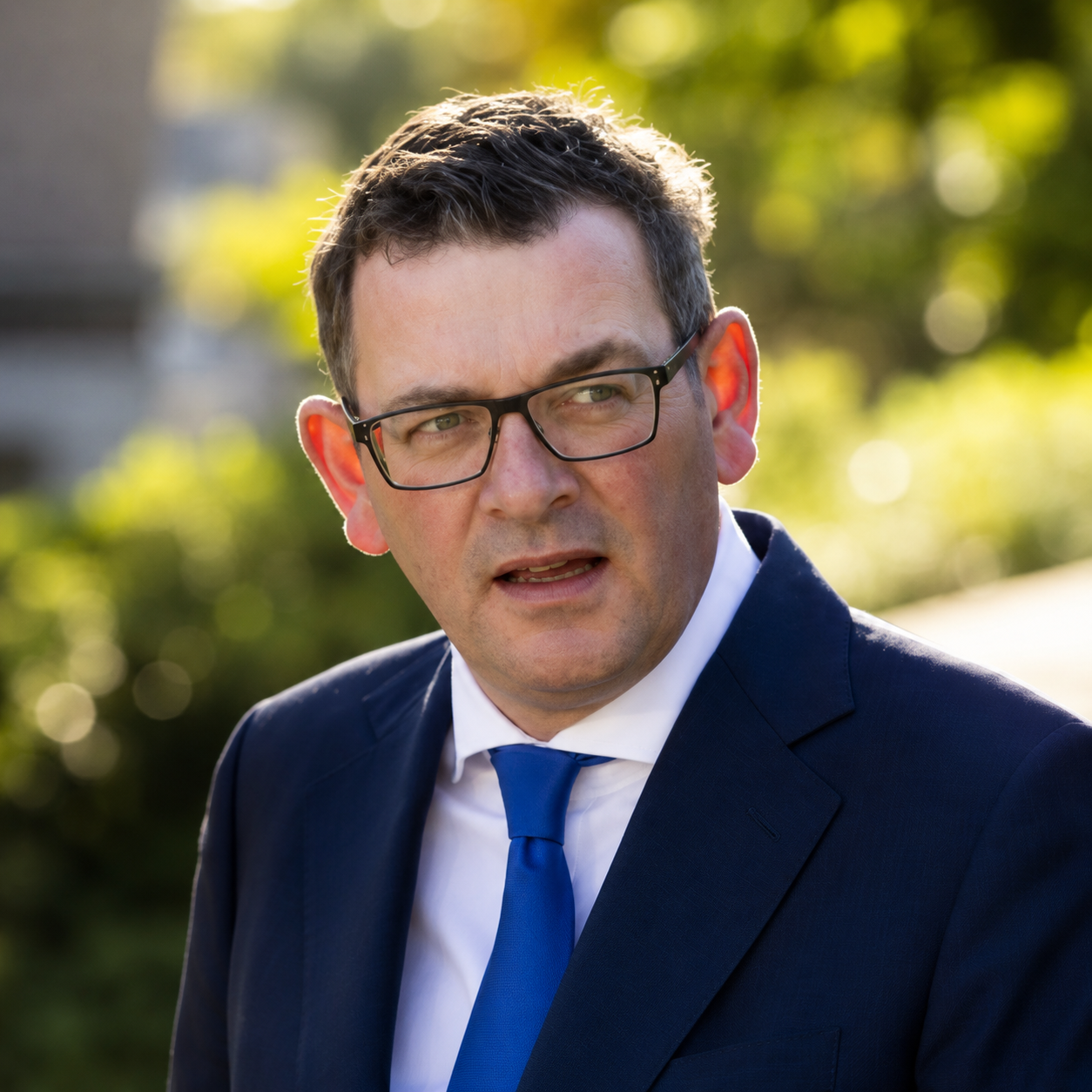
Operation Richmond examined events surrounding the 2016 enterprise bargaining dispute and the restructuring that combined the Metropolitan Fire Brigade and the Country Fire Authority into Fire Rescue Victoria. As part of the investigation, IBAC interviewed numerous witnesses, including senior government figures. However, because of Victoria’s anti-corruption laws, authorities have not publicly disclosed the evidence gathered or any findings contained in the report.
Importantly, the court’s ruling does not determine whether any allegations investigated by IBAC are substantiated. Instead, it addresses whether the report can be released under the law after years of legal challenges. The contents, findings and any recommendations will only become known once the report is formally tabled.
The case has attracted considerable public attention because it raises broader questions about transparency and accountability in public administration. IBAC has previously argued that lengthy court proceedings can significantly delay the publication of investigations that it believes are in the public interest.
The legal proceedings also highlight the balance courts must strike between protecting procedural fairness and ensuring that independent oversight bodies are able to report their findings publicly. Those issues have become increasingly significant in high-profile integrity investigations across Australia.
Political leaders have largely avoided commenting on the substance of the investigation while court proceedings remain active. Likewise, neither the former premier nor other individuals interviewed during the investigation have been found to have engaged in wrongdoing through this court decision, as the report itself has not yet been released.
Once the appeals period expires, IBAC is expected to determine the timing of the report’s presentation to parliament. Until then, many of the questions surrounding Operation Richmond remain unanswered, with the public release expected to provide the first detailed account of the commission’s findings after one of Victoria’s longest-running anti-corruption investigations.






