Business leader and philanthropist Steven Lowy has called for a series of new measures aimed at strengthening community safety and social cohesion, including dedicated police units to protect Jewish Australians and a form of national service for young people.
The proposals were outlined during evidence presented to the Royal Commission into Antisemitism and Social Cohesion, which is examining the causes of rising antisemitism, the effectiveness of existing institutions and potential reforms following the Bondi terrorist attack.
Lowy told the commission that many members of Australia’s Jewish community no longer feel the same sense of security they once did, describing antisemitism as a persistent challenge that requires a coordinated response from governments, law enforcement agencies and the broader community.
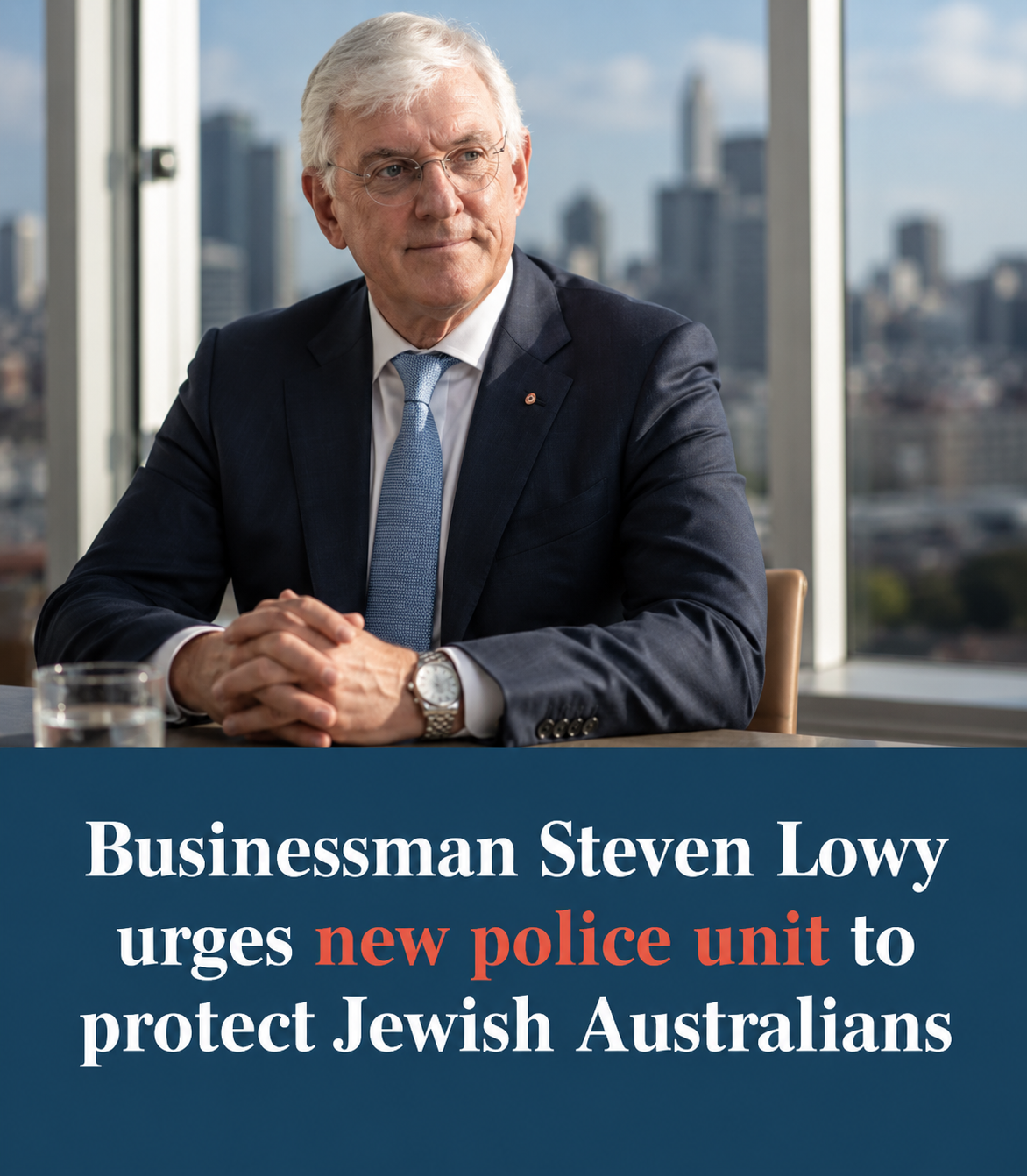
Among his recommendations was the creation of specialist police units focused on protecting Jewish communities and improving coordination between state police, intelligence agencies and community security organisations. He also argued that visible policing around schools, synagogues and major community events could help improve confidence and deter hate-motivated incidents.
Another proposal centred on introducing a national service program for young Australians. Lowy suggested that bringing people from different backgrounds together through structured civic or national service could strengthen social cohesion, encourage mutual understanding and help reduce social division over time.
His submission also raised concerns about the role of online platforms in spreading hate speech and extremist content. He argued that stronger enforcement mechanisms and greater accountability for digital platforms should be considered as part of Australia’s broader response to online abuse and coordinated harassment.
The testimony included personal accounts of the security challenges faced by his family and members of the Jewish community. Lowy said private security teams regularly monitor threats directed at Jewish organisations and individuals, reflecting what he believes has been a significant increase in hostile behaviour in recent years.
The Royal Commission has been hearing evidence from a wide range of witnesses, including community leaders, legal experts, victims, technology companies and public institutions. Its role is to examine the factors contributing to antisemitism and recommend practical measures that could improve public safety, strengthen social cohesion and reduce ideologically motivated violence.
Importantly, the recommendations presented by witnesses do not automatically become government policy. The commission’s task is to gather evidence, assess competing viewpoints and deliver recommendations to the Australian Government after completing its inquiry. Any significant legislative or policy changes would still require consideration through the normal government and parliamentary processes.
Some of the proposals discussed during the hearings have prompted broader public debate about how Australia should balance stronger security measures with civil liberties, community relations and existing policing arrangements. Those issues are expected to remain part of the national conversation as the commission continues its work.
The commission is continuing to receive submissions from individuals and organisations across Australia before preparing its final report. That report is expected to provide recommendations covering law enforcement, education, online safety, community resilience and other measures designed to address antisemitism while supporting long-term social cohesion.






