One Nation leader Pauline Hanson has returned to Australia following a controversial European “fact-finding” tour, telling a sold-out audience in Perth that Australians are increasingly looking for political alternatives as economic pressures continue to mount.
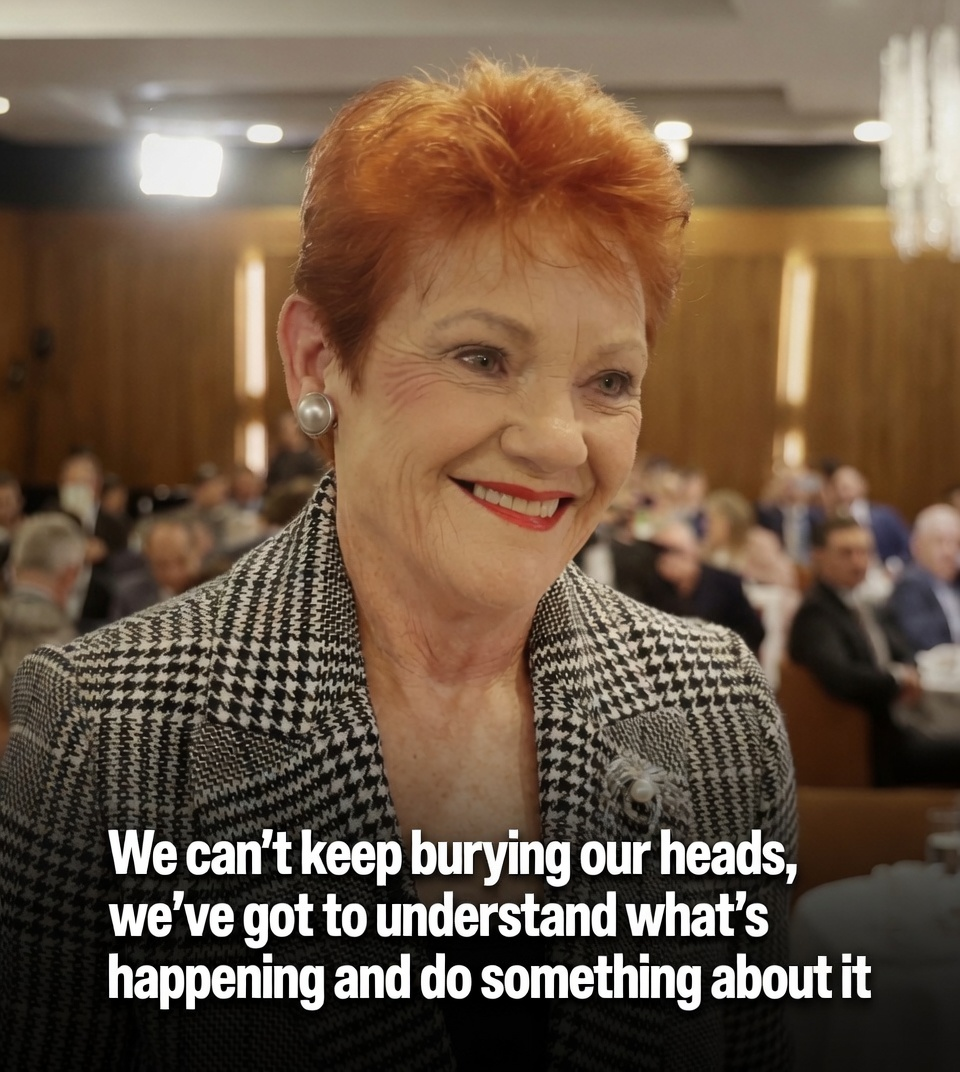
Speaking before about 900 guests at the Leadership Matters Breakfast held at Crown Perth on Tuesday morning, Senator Hanson used the event to outline her views on the economy, investment, taxation and small business while also addressing the criticism surrounding her recent meetings with controversial political figures in Europe.
The breakfast attracted a full house of business leaders, professionals and supporters eager to hear from the Queensland senator following several weeks of headlines generated by her overseas trip.
In an interview with 6PR Mornings host Simon Beaumont following the event, Hanson said attendees were particularly interested in her views on Australia’s economic future and what she believes governments should be doing differently.
“We’re really in bad shape in Australia, so unless we come up with decent policies on how to attract the investment back into Australia, we’re going to be suffering because we won’t have the money to provide the services for the Australian people,” Hanson said.
She said discussions during the breakfast centred on challenges facing small businesses, the agricultural sector and Australia’s taxation system, claiming the audience responded positively to those themes.
Economic management has become an increasingly prominent feature of One Nation’s political messaging, with the party arguing that high living costs, energy prices and regulatory burdens are making it more difficult for businesses to invest and expand.
At the breakfast, Hanson also reflected on her recent travels through Britain and parts of Europe, describing the journey as an opportunity to observe issues she believes Australia should avoid repeating.
According to reporting from the event, Hanson told attendees she met with a wide range of people during the trip, including individuals she both agreed and disagreed with politically.
“I went to Britain to see up close what happens when a government gets things wrong. Immigration. Spending. Energy,” Hanson told the Perth audience.
Her overseas visit attracted significant public attention after she met controversial British activist Tommy Robinson, whose real name is Stephen Yaxley-Lennon.
Robinson remains one of Britain’s most polarising political figures and has long attracted criticism over his anti-Islam activism and legal history. Hanson’s decision to appear alongside him generated widespread debate in Australia and prompted criticism from political opponents and community groups.
Despite that backlash, Hanson made clear she has no intention of distancing herself from the meeting.
“I’m not going to back away from that. I don’t regret talking to Tommy at all, and I’ll talk to Gina, I’ll talk to anyone that I think is going to help me move forward with policies for what I think is right for the country,” she said.
Her reference to “Gina” was widely understood to mean mining billionaire Gina Rinehart, who has also featured prominently in media coverage surrounding Hanson’s European trip after the pair were seen together during parts of the visit.
The European journey extended beyond Britain, with Hanson attending conservative political events and meeting a number of prominent figures associated with debates over immigration, national identity and economic policy.
She has consistently described the tour as a “fact-finding mission”, arguing that politicians should be willing to engage with differing viewpoints rather than limiting discussions to people who already share their opinions.
That position was repeated during her Perth address, where she suggested Australians are increasingly frustrated with what she characterised as an unwillingness among mainstream politicians to have broader conversations.
The Leadership Matters Breakfast itself carried added significance because of One Nation’s improving political profile in recent opinion polling and the growing attention the party has received ahead of the next federal election campaign.
Organisers promoted Hanson as one of the country’s most influential political figures, noting that changing voter sentiment has elevated interest in hearing directly from the long-serving senator.
The event was also accompanied by heightened security and a small protest outside Crown Perth, highlighting the polarising nature of Hanson’s political career. Reports indicated police maintained a visible presence while protesters gathered outside the venue.
Inside the ballroom, however, Hanson appeared to receive a generally supportive reception from attendees.
During her address she asked business owners whether they believed their businesses were performing as well as they could, with many reportedly indicating they were not.
Hanson argued that struggling businesses ultimately affect workers, consumers and government finances alike, reinforcing her broader message that stronger private-sector investment is necessary to sustain public services.
Economic concerns have increasingly become central to political debate across Australia as households continue to face elevated living costs, higher mortgage repayments and ongoing pressure from inflation, even as headline inflation has eased from its earlier peaks.
Business groups have also continued to call for policies that improve productivity, encourage investment and reduce unnecessary regulatory burdens, although there remains significant disagreement among political parties over the best approach to achieving those goals.
For Hanson, those debates align closely with One Nation’s long-standing emphasis on taxation reform, support for regional industries and policies aimed at strengthening domestic manufacturing and agriculture.
Immigration also remains one of the party’s defining issues.
Her European tour focused heavily on migration debates unfolding in Britain, where Hanson has argued Australia should learn lessons from overseas before similar challenges emerge domestically.
Critics, however, have accused Hanson of amplifying divisive rhetoric and lending legitimacy to controversial figures through her overseas appearances.
Media scrutiny intensified after interviews and footage from Britain highlighted some of the people Hanson met during the trip, including Tommy Robinson. Several news organisations questioned whether those meetings undermined her claims that the visit was primarily intended to gather information rather than generate publicity.
Hanson has rejected those criticisms, insisting that understanding different perspectives is an essential part of developing informed public policy.
She has argued that speaking with controversial individuals does not necessarily amount to endorsing every view they hold, maintaining that elected representatives should be willing to engage broadly when examining complex issues.
The Perth appearance marked one of Hanson’s first major public events after returning home and offered an opportunity to re-centre attention on domestic policy priorities following weeks dominated by headlines about her European itinerary.
Whether that strategy succeeds remains to be seen, but the strong attendance at the breakfast demonstrated continued public interest in hearing directly from the One Nation leader despite — or perhaps because of — the controversy surrounding her recent overseas travels.
As Australia moves closer to another federal election cycle, Hanson appears determined to continue presenting herself as an outspoken alternative to the major parties, arguing that voters are increasingly receptive to her message on economic management, investment and national policy.
For supporters, the Perth event reinforced the belief that Hanson remains one of Australia’s most recognisable political voices. For critics, it served as another reminder of the deeply divisive issues that continue to surround both her domestic agenda and her international engagements.
Either way, the sold-out breakfast ensured her return from Europe was accompanied by exactly what Hanson suggested Australians wanted — another opportunity to hear what she had to say.






