A $10 million government grant awarded to support the construction of an industrial hemp processing facility in regional New South Wales has become the focus of growing political and community debate, with questions being raised about the assessment process, expected regional benefits and concerns surrounding the company selected to receive the funding.
The funding was awarded to Ausuntech Pty Ltd for a proposed hemp-processing plant near Carrathool in the Riverina region. The project forms part of the Murray–Darling Basin Sustainable Communities Program, which was established to help regional communities adjust to the economic impacts associated with water recovery initiatives across the basin.
While supporters argue the investment could create new manufacturing opportunities and diversify regional industry, critics contend the decision deserves closer examination because alternative community projects seeking funding were unsuccessful. The discussion has since expanded beyond the project itself to include questions about transparency, value for taxpayers and the criteria used to allocate public money.
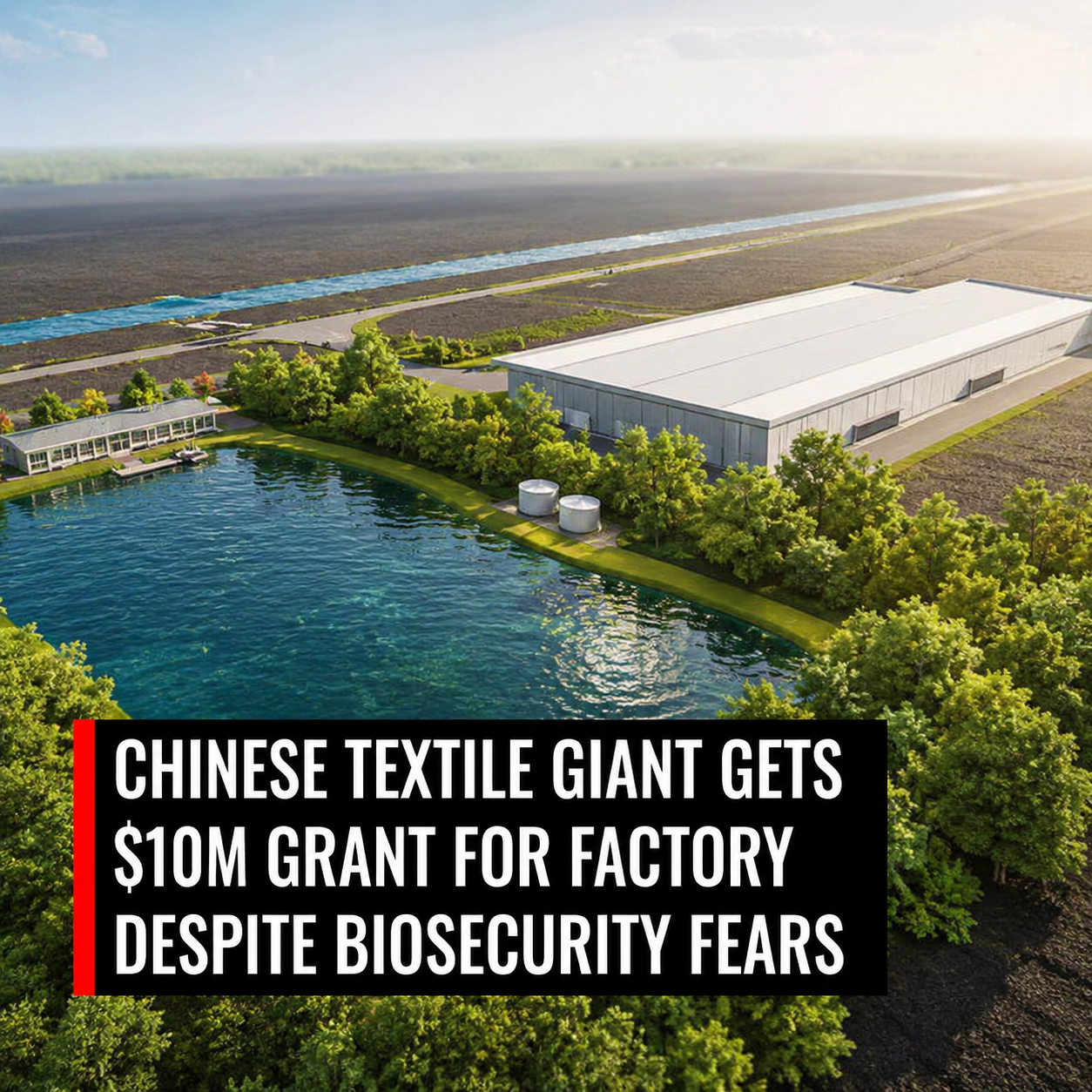
Ausuntech is an Australian-registered company that is ultimately controlled by overseas corporate interests. According to public company records and reporting, it intends to establish Australia’s first large-scale facility capable of processing industrial hemp into linen-quality fibre before exporting the material for further manufacturing overseas.
The proposal has already completed parts of the community consultation process but still requires planning approvals before construction can proceed. Government ministers have described the investment as one designed to support regional economic activity and employment while encouraging new agricultural industries.
However, several local representatives have questioned whether the project will deliver the level of employment originally envisioned under the funding program. Murrumbidgee Council representatives have argued that council-led infrastructure proposals rejected during the same funding round would have produced broader long-term economic benefits for local communities affected by water buybacks.
Another issue raised by critics relates to water use. Industrial hemp requires irrigation under many Australian growing conditions, and some local representatives have argued that supporting a water-dependent project appears inconsistent with a program established to help communities adapt to reduced irrigation allocations. Others have also called for greater public disclosure of the economic modelling used during the grant assessment process.
Questions have also been raised in the New South Wales Parliament regarding reports of possible biosecurity, workplace and compliance concerns connected with the property where the facility is proposed. Those concerns have been cited by some politicians as a reason for requesting that the funding agreement be reviewed before any public money is released.
The NSW Government has responded by stating that the application satisfied the published assessment guidelines when the grant was approved. Agriculture Minister Tara Moriarty initially rejected suggestions that the funding decision was influenced by the company’s foreign ownership. She later stated that the government had become aware of additional concerns and confirmed that the grant could be reconsidered if information supplied during the application process was found to be inaccurate or incomplete.
The dispute has also highlighted a broader policy question that extends beyond this individual project: how governments should balance attracting private investment with ensuring taxpayer-funded programs deliver measurable benefits for the communities they are intended to support. Similar debates have emerged in other regional development programs where governments have sought to encourage new industries while also demonstrating value for public expenditure.
Industrial hemp has attracted increasing commercial interest in Australia because its fibre can be used in textiles, construction materials, paper products and a range of other manufacturing applications. Supporters of the industry argue that domestic processing capacity could create additional value from Australian agricultural production, although the commercial success of individual projects ultimately depends on market demand, transport costs and long-term investment.
For communities across the Murray–Darling Basin, the controversy has become about more than a single factory. Many residents remain focused on ensuring that funding designed to offset the economic effects of water recovery programs produces lasting employment, strengthens regional businesses and supports communities that have experienced significant structural change over recent years.
Whether this particular grant proceeds unchanged will depend on the outcome of any further government review. In the meantime, the project continues to attract attention as an example of the competing priorities governments must weigh when allocating public funding for regional development—balancing investment, accountability, employment outcomes and community confidence in the decision-making process.






