The Australian landscape is bracing for a fair dinkum period of extreme heat as meteorologists confirm that 2026 is on track to become the hottest year on record.
A near-certain El Nino weather event is developing in the Pacific Ocean, threatening to push global temperatures past the dangerous milestones set just a few years ago.
Sky News Weather Senior Meteorologist Rob Sharpe has warned that the combination of natural variability and accelerated global warming is creating a perfect storm for our continent.
While 2025 offered a brief reprieve thanks to the cooling influence of La Nina, the arrival of her brother, El Nino, marks a significant shift in the national climate outlook.
Climate scientists are now largely convinced that the world is warming much faster than at any other time in human history, leaving the quiet Australians to deal with the fallout.
The data suggests that the steady warming rate of 0.2C per decade observed between 1970 and 2015 has now jumped to a staggering 0.35C per decade.
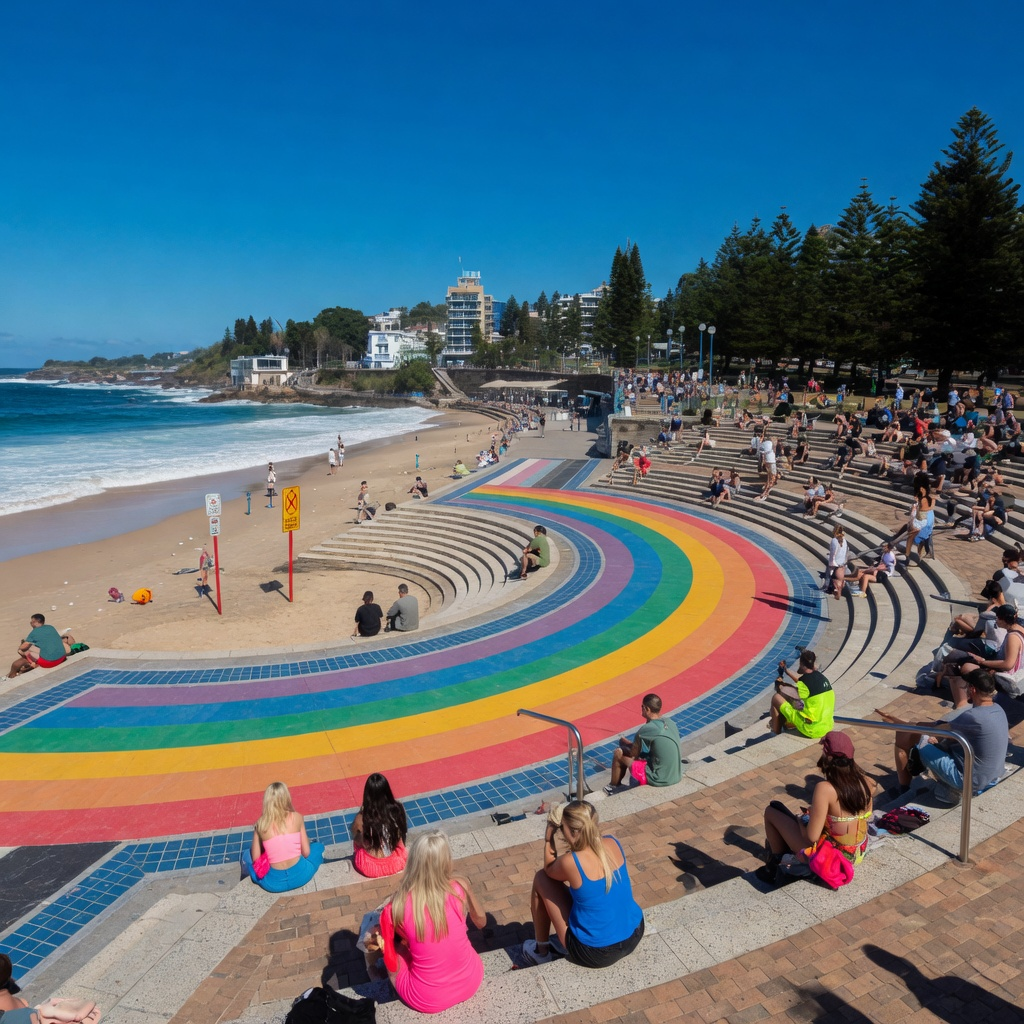
Aussie battlers are heading to the coast to escape the heat, but the looming El Nino suggests a much harsher summer is on the horizon.
This acceleration means that every year now carries a significant risk of being hotter than the one before, making the “Aussie summer” more of a trial than a celebration.
For the average family, this isn’t just about extra trips to the beach; it’s about a severe shift in how we manage our resources and our health during the long, dry months ahead.
The return of warm waters across the surface of the Pacific Ocean will temporarily boost global temperatures by an additional 0.2C, creating a fair dinkum challenge for our infrastructure.
With 2026 likely to end up near 1.6C above pre-industrial levels, the record set in 2024 is officially under threat as the Pacific continues to heat up.
The Pacific Ocean’s Fever And The Return Of The El Nino Threat
The science behind this looming scorcher is tied to the movement of Earth’s largest ocean and its massive influence over global air temperatures.
During an El Nino event, the warm water that usually pools in the western Pacific spreads eastward, heating the atmosphere above it and disrupting rainfall patterns.
For Australia, this typically means a significant reduction in rainfall across the eastern states and a severe increase in the risk of heatwaves and bushfires.
According to the Bureau of Meteorology, ocean temperatures are already running 0.13C warmer than they were during the record-breaking start of 2023.
Global air temperatures are also tracking 0.19C higher, suggesting that the baseline for our current climate has shifted permanently toward the extreme.
The hard yakka of preparing for these conditions is a year-round task for our emergency services and regional communities who have seen it all before.
From an economic perspective, the return of El Nino places a massive financial strain on the agricultural sector as farmers prepare for the high probability of drought.
The Australian Bureau of Statistics reveals that agricultural production is a vital pillar of the national economy, yet it remains one of the most vulnerable to climate rorts.
When the rain stops and the mercury rises, the cost of irrigation and livestock feed skyrockets, forcing many family-run farms to the brink of collapse.
Taxpayers will eventually feel this pressure at the supermarket checkout as the supply of fresh produce dwindles and prices for staples reach record highs.
Struggling Families Facing A High-Voltage Spike In Summer Power Bills
One of the most immediate impacts of the 2026 heatwave will be the severe pressure on the national energy grid as households attempt to keep cool.
The ABS data on household expenditure shows that utilities already represent a significant portion of the weekly budget for the average Aussie battler.
During a massive heatwave, the reliance on air conditioning becomes a necessity rather than a luxury, leading to electricity bills that can shock even the most prepared residents.
The Reserve Bank of Australia has previously warned that rising energy costs are a major driver of inflation, making the cost-of-living crisis even harder to solve.
If the 2026 summer is as hot as predicted, the demand for power will test the limits of our aging infrastructure and the questionable reliability of our energy transition.
We are seeing a situation where the most vulnerable members of our community, including pensioners and low-income workers, are forced to choose between comfort and groceries.
This is a fair dinkum outrage in a country as rich in energy resources as Australia, yet the Canberra bubble seems more focused on targets than on current prices.
The hard yakka of making ends meet is already difficult enough without the added weight of an environmental crisis that drives up every single bill.
Business owners in regional towns also face a significant challenge as they struggle to pay the cooling costs for their shops and warehouses during the midday sun.
If the government doesn’t provide a stable and affordable energy policy, the “Aussie Dream” of starting a small business will become a total rort for many.
Why The Canberra Bubble Can No Longer Ignore Accelerating Climate Risks
The latest research showing a 98 per cent confidence level in accelerated warming is a massive wake-up call for the politicians in the hallowed halls of Parliament.
For decades, the steady rate of 0.2C warming per decade allowed for a degree of complacency in our national climate and energy policies.
However, the jump to 0.35C per decade means that the “luxury of time” has completely vanished, and the hard decisions can no longer be kicked down the road.
Wait until the full impact of these rising temperatures is felt on our national health system, which will face a surge in heat-related illnesses and emergency admissions.
The ABS reveals that heatwaves are the deadliest natural hazard in Australia, yet they often receive less attention than floods or fires in the policy debate.
We need a fair dinkum national strategy that focuses on resilience and adaptation, ensuring our suburbs are built to withstand the coming era of extreme heat.
This includes investing in urban cooling, better building standards, and a healthcare system that can handle the specific demands of a warming continent.
The gánh nặng of bad planning will be borne by the next generation if we continue to prioritize short-term political gains over long-term structural reform.
Taxpayers are rightfully asking where their money is going if it isn’t being used to harden our nation against the most certain threat we face.
The Canberra rot of endless debating and shonky accounting must end if we are to protect our way of life from the fallout of accelerated warming.
Adapting Our Way Of Life To A Rapidly Warming Southern Continent
The resilience of the Aussie spirit has always been defined by our ability to adapt to a harsh and unforgiving environment.
From the sun-drenched beaches of Sydney to the dusty plains of the outback, we have built a nation that prides itself on surviving the extremes.
But the predicted heat of 2026 and 2027 will require a new level of hard yakka and community cooperation to ensure that everyone gets a fair go.
We are seeing a shift in how we build our homes, how we plan our cities, and even how we organize our working days to avoid the peak heat of the afternoon.
The ABS shows that more Australians are choosing to live in coastal regions to escape the worst of the inland heat, but even our beaches are facing new challenges.
Rising sea levels and the risk of severe storms mean that the “dream home by the water” is becoming a much more expensive and risky investment.
Every decision we make as a community—from planting more trees in our streets to investing in community cooling centers—will determine our future stability.
The quiet Australians are already making these changes in their own backyards, installing solar panels and batteries to take control of their own energy security.
It is time for the government to match this initiative with a fair dinkum commitment to national resilience that goes beyond slogans and photo ops.
The future of the lucky country depends on our ability to look the 1.6C reality in the face and prepare for the long, hot road ahead.
No more rorts, no more excuses, and no more ignoring the hard yakka required to keep our nation safe and prosperous.
As the mercury rises in 2026, the battle for a cooler, fairer, and more stable Australia will truly begin in every suburb and town.
We will continue to track the latest data from the Bureau of Meteorology and the ABS to keep you informed about the real-world impact of the warming climate.
The resilience of our nation is found in the people who do the work, look after their neighbors, and refuse to give up on the promise of a fair go.
Stay tuned as we bring you the latest developments from the front lines of the Australian climate and economic landscape.
Because out here in the real world, the heat is already on, and we need to be ready for the biggest scorcher yet.
The Aussie Dream is worth protecting, but it’s going to take a whole lot of hard yakka to keep it from melting under the 2026 sun.
Let’s hope the leaders in Canberra have their hats on and their ears open before the record is broken for good.
The fight for our future starts with the reality of today—and today, the forecast is looking fair dinkum hot.
Make sure you look after each other and stay cool, because the next two years are going to be a bloody wild ride for every single one of us.
Our national identity is forged in fire, but it’s our common sense and our care for the battlers that will keep us together when the crunch comes.






