The political fight between Labor and Pauline Hanson’s One Nation has become increasingly personal, with Health Minister Mark Butler launching a fresh attack on the party’s headline-grabbing fundraising campaign.
As One Nation continues celebrating the success of its “Fire The Liar” movement, Labor ministers are attempting to shift attention away from the fundraising totals and back towards the party’s policies.
The result is an increasingly bitter political confrontation that shows no signs of slowing down.
What started as a fundraising campaign aimed at Anthony Albanese has now become one of the most visible political battles in Australia.
And with millions of dollars reportedly flowing into One Nation’s campaign, both sides appear determined to keep fighting.
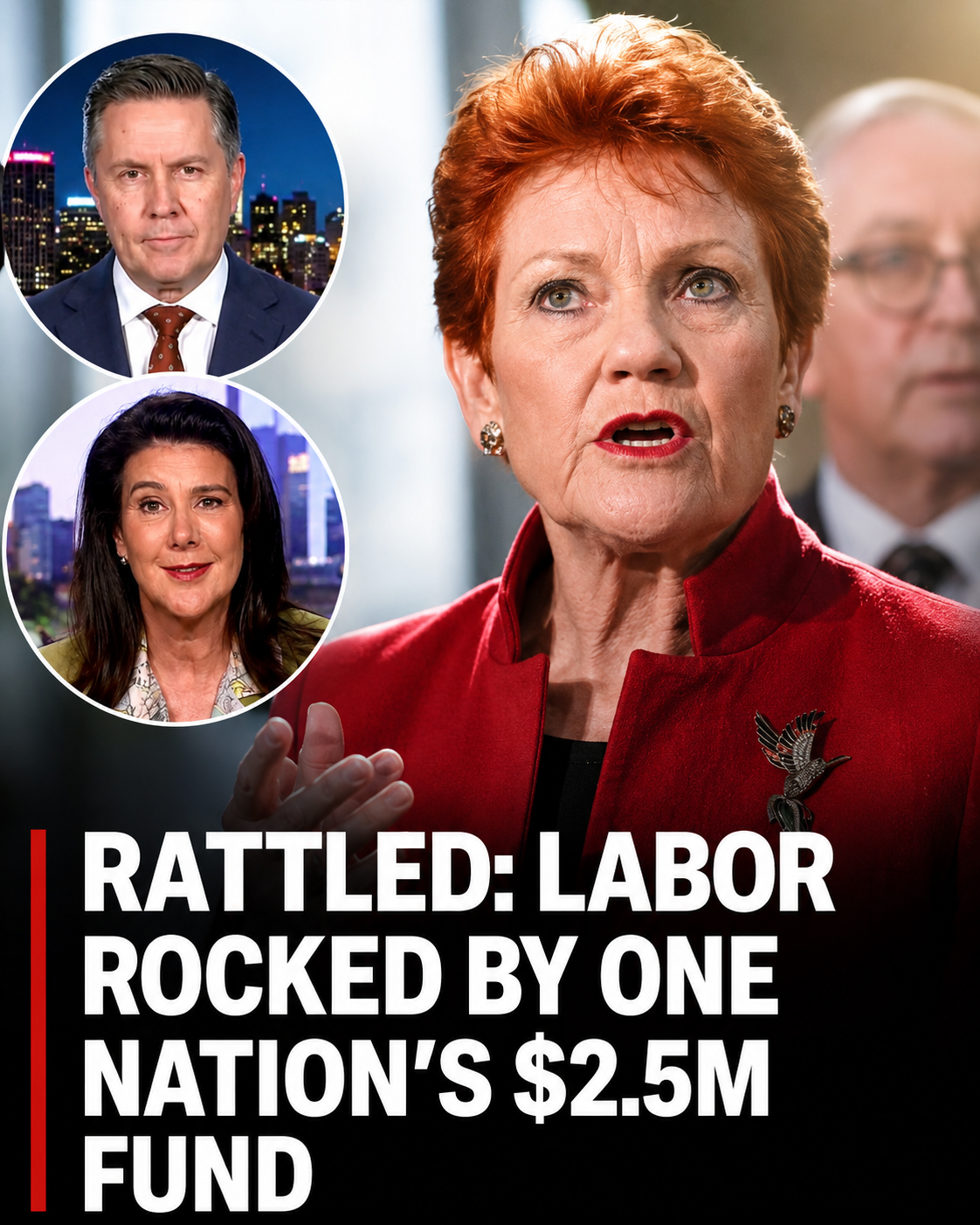
Mark Butler became the latest senior Labor figure to weigh into the dispute when he publicly dismissed the significance of One Nation’s anti-Labor fundraiser.
Rather than praising the campaign’s ability to attract donations, Butler portrayed it as another example of the divisive politics he believes One Nation specialises in.
He argued that the campaign was built around attacking political opponents rather than presenting constructive solutions for Australians facing real-world challenges.
Those comments came as the “Fire The Liar” campaign continued generating extraordinary levels of media attention.
One Nation claims the fundraiser has attracted tens of thousands of donations from ordinary Australians frustrated with the Albanese Government.
The party argues the campaign is evidence of growing dissatisfaction over housing affordability, migration levels, energy prices and the broader cost-of-living crisis.
For Labor, however, the political significance of the campaign extends beyond the money itself.
Senior ministers increasingly appear concerned about the narrative One Nation is building around the fundraiser.
The party has successfully framed the campaign as a grassroots rebellion against the political establishment.
That message has resonated strongly with many supporters who feel ignored by the major parties.
Butler attempted to challenge that narrative.
During his media appearance, he suggested that the fundraiser was receiving support from wealthy interests and dismissed claims that it represented a spontaneous uprising of ordinary Australians.
He specifically referenced Gina Rinehart, whose support for figures associated with One Nation has become a growing talking point for Labor politicians.
The strategy reflects a broader shift in Labor’s response.
Earlier attacks focused on questioning whether One Nation’s fundraising figures were genuine.
More recently, ministers have begun concentrating on who supports the party and what they believe those supporters represent.
It is an attempt to turn the conversation from fundraising success to political influence.
One Nation supporters see things differently.
They argue Labor would not be spending so much time discussing the campaign if it were truly insignificant.
According to this view, every criticism from a senior minister simply reinforces the idea that the government is becoming increasingly uncomfortable with One Nation’s growing profile.
The fundraising numbers themselves have become part of the political contest.
Reports suggest the campaign has attracted tens of thousands of individual donations and has continued climbing towards the multi-million-dollar mark.
That momentum has helped keep One Nation in the national spotlight for days.
Every update generates another round of political commentary.
Every response from Labor creates another headline.
In many ways, the campaign has become self-sustaining.
The more attention it receives, the more attention it attracts.
Political strategists understand why that matters.
Fundraising is not simply about money.
It is often viewed as a measure of enthusiasm.
People who are motivated enough to donate are usually more likely to volunteer, share content online and encourage others to support a cause.
That is why both sides continue fighting over the meaning of the figures.
Labor argues fundraising alone does not prove a party has solutions.
One Nation argues the donations prove voters are searching for alternatives.
The disagreement reflects a broader debate taking place across Australian politics.
Trust in major institutions has weakened in recent years.
Housing affordability remains a major concern.
Cost-of-living pressures continue to dominate conversations in households around the country.
Those frustrations have created opportunities for minor parties willing to challenge the political mainstream.
One Nation has positioned itself to capitalise on that environment.
Labor, meanwhile, is attempting to convince voters that anger alone is not a governing strategy.
That clash of narratives sits at the heart of the current dispute.
Butler’s comments illustrate just how seriously the government is taking One Nation’s rise.
If the fundraiser were merely a temporary curiosity, it would not be attracting repeated responses from senior ministers.
The fact that Labor figures continue discussing it suggests they recognise its potential political impact.
At the same time, One Nation is using every criticism as further evidence that its campaign is achieving its goal.
The party has repeatedly argued that establishment politicians are rattled by the public response.
Whether that claim is accurate is open to interpretation.
What is undeniable is that the fundraiser has become much larger than a simple appeal for donations.
It is now a symbol of a broader struggle over political momentum, voter frustration and the future direction of Australian politics.
As long as the donations continue flowing and ministers continue responding, that battle is likely to remain one of the country’s most closely watched political stories.






