Calls for greater unity across Australia’s conservative political parties have intensified after Liberal Senator Alex Antic urged the Coalition to end its public attacks on Pauline Hanson’s One Nation and instead concentrate on challenging the Albanese government.
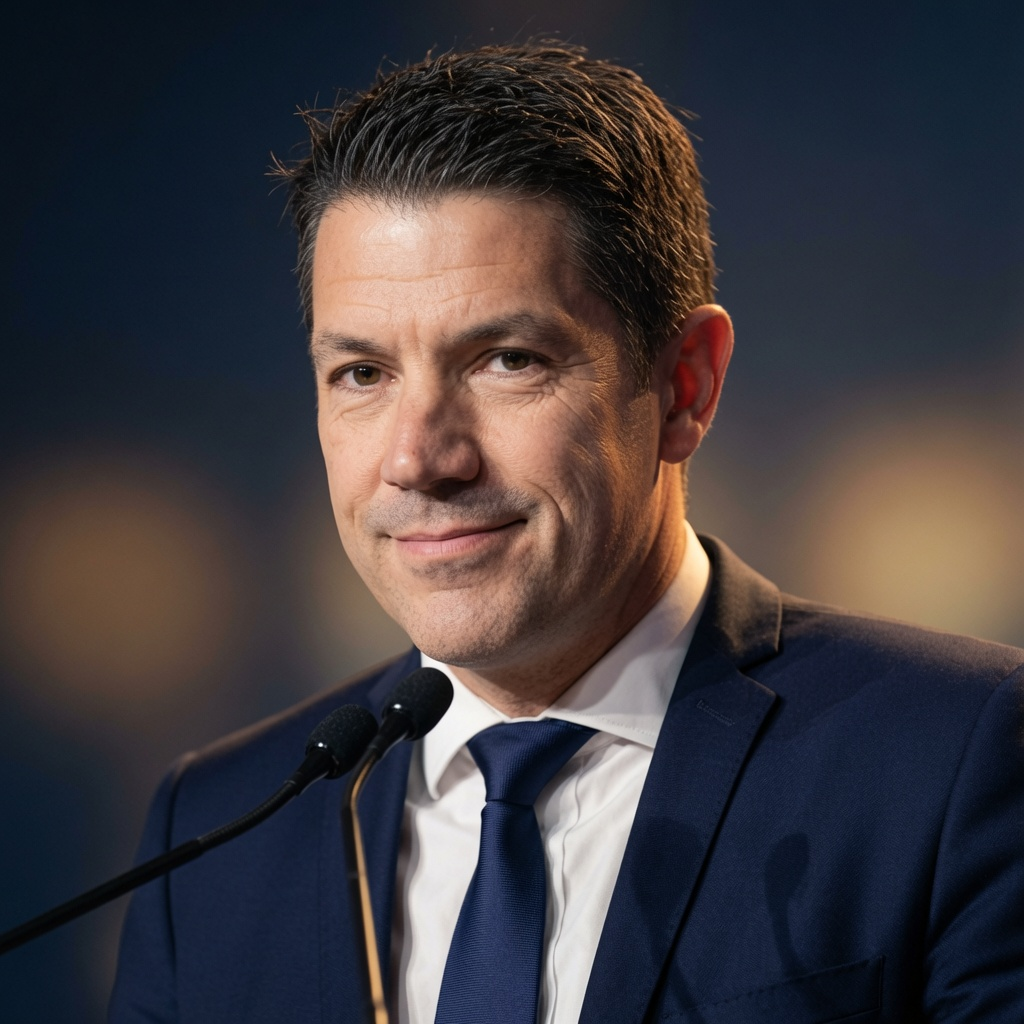
Speaking on Sky News on Friday, Senator Antic said he did not believe it was productive for the Liberal Party to engage in public disputes with One Nation, arguing that both parties ultimately shared an interest in defeating Labor at the next federal election.
“I don’t think it’s helpful to be crossing swords with One Nation,” Senator Antic said.
“We shouldn’t be enemies.”
His remarks came less than a day after Opposition Leader Angus Taylor delivered a sharp criticism of One Nation during an address to the Sydney Institute. Mr Taylor warned Australians about what he described as the risks of a hypothetical One Nation government, suggesting such an outcome would bring “an eternity of pain” for the country.
The Opposition Leader reinforced those comments during a subsequent television interview, arguing that One Nation’s policy platform lacked coherence and failed to provide practical solutions to Australia’s challenges.
While Senator Antic made clear he supports Mr Taylor’s broader leadership, he distanced himself from the Opposition Leader’s approach towards One Nation.
Instead, he argued that conservative parties should avoid fighting one another while Labor remains in government.
“The time has come for the conservative side of politics to give that up,” Senator Antic said, referring to public infighting.
He said political energy should instead be directed towards issues affecting Australian households, including the cost of living, economic growth and living standards.
Senator Antic argued that Australia’s standard of living had deteriorated significantly during Labor’s time in office, describing economic performance as one of the Coalition’s central areas of criticism.
He said the Liberal Party’s priority should be demonstrating that it can present voters with credible alternative policies rather than becoming distracted by disputes with parties competing for similar voters.
“The reality here is it’s got to be a process of showing the public of Australia what it looks like with a Liberal Party that is actually going to deliver policies,” he said.
He added that Mr Taylor was currently working through that process as Opposition Leader.
The comments also echoed sentiments expressed by One Nation leader Pauline Hanson, who released a video shortly after Mr Taylor’s latest criticism calling on the Coalition to stop attacking her party.
Senator Antic agreed that both parties should focus their criticism primarily on Labor rather than each other.
“We need to make a concerted effort to remove this Albanese Labor government,” he said.
The exchange highlights an ongoing strategic debate within the Coalition about how it should respond to the growing electoral influence of minor conservative parties.
One Nation has maintained a presence in Australian federal politics for nearly three decades, drawing support particularly from voters concerned about immigration, regional development, government spending and cost-of-living pressures.
Although the party has rarely secured large numbers of seats in the federal parliament, its vote can prove influential in Senate contests and in directing preferences during elections.
For the Liberal and National parties, One Nation presents both a political competitor and a potential source of preference flows in closely contested electorates.
That balancing act has often produced differing views within Coalition ranks. Some Liberal MPs argue the Coalition should draw a clear distinction between itself and One Nation to reinforce its credentials as a mainstream centre-right political force.
Others believe unnecessary confrontation risks alienating conservative voters who may ultimately preference Coalition candidates.
Senator Antic’s intervention reflects the latter view, suggesting ideological differences should not overshadow broader political objectives.
The discussion comes as the Coalition continues rebuilding following its federal election defeat and seeks to broaden its appeal ahead of the next electoral contest.
Mr Taylor has been working to outline the Opposition’s policy agenda across economic management, energy, housing affordability and national security, while also attempting to distinguish the Coalition from both Labor and minor parties.
Meanwhile, One Nation has continued positioning itself as an alternative conservative voice, particularly on issues including immigration, energy policy and government regulation.
Competition between the Coalition and One Nation is particularly significant in Queensland and parts of regional Australia, where both parties often compete for similar voter demographics.
Political analysts have frequently noted that divisions across Australia’s conservative vote can influence electoral outcomes, particularly under the country’s preferential voting system.
While preference distributions can ultimately benefit one party or another, public disputes between parties seeking support from similar voters may complicate campaign messaging and voter perceptions.
Despite Senator Antic’s call for cooperation, there is no indication that the Coalition intends to alter its broader strategy towards One Nation following Mr Taylor’s comments.
The differing public positions nevertheless illustrate the range of views that continue to exist within Liberal ranks regarding how the Coalition should engage with smaller conservative parties.
As political campaigning intensifies over coming months, the relationship between the Coalition and One Nation is likely to remain closely watched, particularly in marginal electorates where conservative preference flows may prove decisive.
For now, Senator Antic’s message was clear: conservative parties should spend less time criticising one another and more time persuading Australians that they offer a credible alternative government.






