After months of slipping support, the Albanese government has recorded a modest improvement in national polling, while the Coalition has fallen to its lowest primary vote in the latest survey and One Nation has eased from its recent highs.
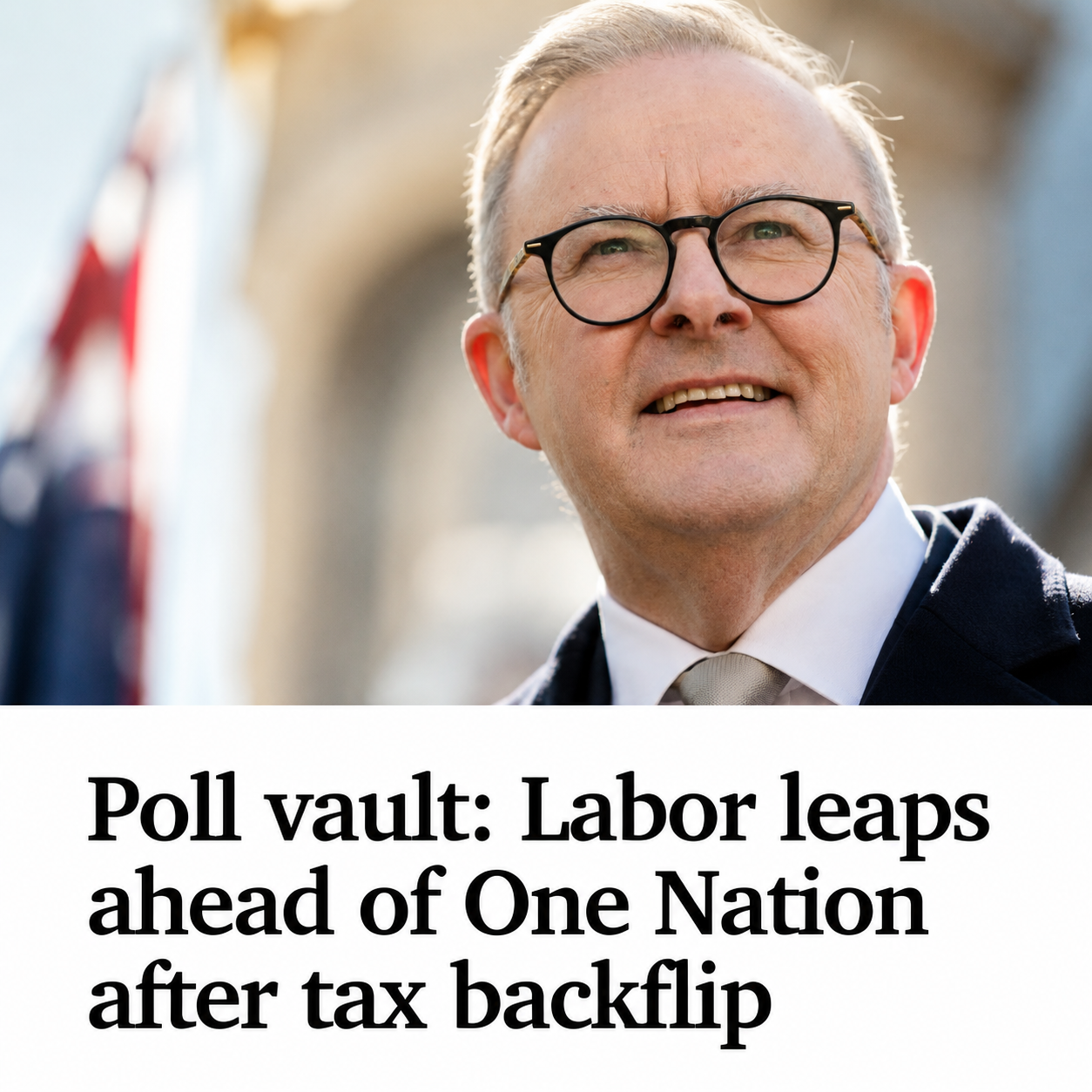
The latest Newspoll suggests Labor’s primary vote has strengthened following the government’s decision to amend several controversial tax proposals announced in this year’s federal budget. The policy changes came after criticism from business groups, investors and sections of the community, prompting ministers to revise parts of the package before Parliament resumed.
According to the survey, Labor’s primary vote increased to 33 per cent, while One Nation slipped to 29 per cent after reaching record support in earlier polling. The Coalition fell further to 17 per cent, marking its lowest primary vote in the history of the Newspoll series.
Although Labor’s numbers improved, the results continue to reflect an unusually fragmented political landscape. Support for minor parties and independents remains well above historical levels, indicating that many voters are still willing to look beyond Australia’s two traditional major parties.
Political analysts say the government’s tax reversal may have helped reduce immediate voter concerns, particularly among households worried about the potential impact of the original proposals on investment and retirement planning. At the same time, easing political pressure does not necessarily mean those broader economic debates have been resolved.
The Coalition continues to face significant challenges rebuilding support following internal leadership changes and ongoing competition from One Nation. The emergence of stronger minor-party voting has complicated the Coalition’s traditional electoral base, with conservative voters increasingly spread across multiple parties rather than consolidating behind a single opposition alternative.
Meanwhile, One Nation remains one of the country’s strongest-performing minor parties despite the recent decline in support. The party continues to attract voters concerned about issues such as the cost of living, immigration and government spending, although recent polling suggests some of its momentum has moderated following heightened scrutiny of several high-profile policy announcements.
Polling experts caution that individual surveys should not be viewed as predictions of election outcomes. Different polling organisations often produce varying results because of differences in methodology, sampling and the timing of fieldwork. Short-term events can also influence public opinion before voter sentiment stabilises.
The renewed focus on opinion polling comes as Parliament enters its winter recess, providing all major parties with an opportunity to reassess policy priorities and campaign strategies. Labor will be seeking to consolidate its recent gains, while the Coalition faces pressure to reconnect with conservative voters and rebuild confidence ahead of future electoral contests.
For voters, the latest figures offer another snapshot of a rapidly changing political environment rather than a definitive forecast. Economic conditions, housing affordability, taxation, inflation and the cost of living are expected to remain the dominant issues shaping public opinion over the months ahead, meaning further shifts in polling remain entirely possible.






