A brief interruption during a live television interview has sparked an unexpectedly wide discussion across Australia—not about politics, but about how people communicate with their dogs.
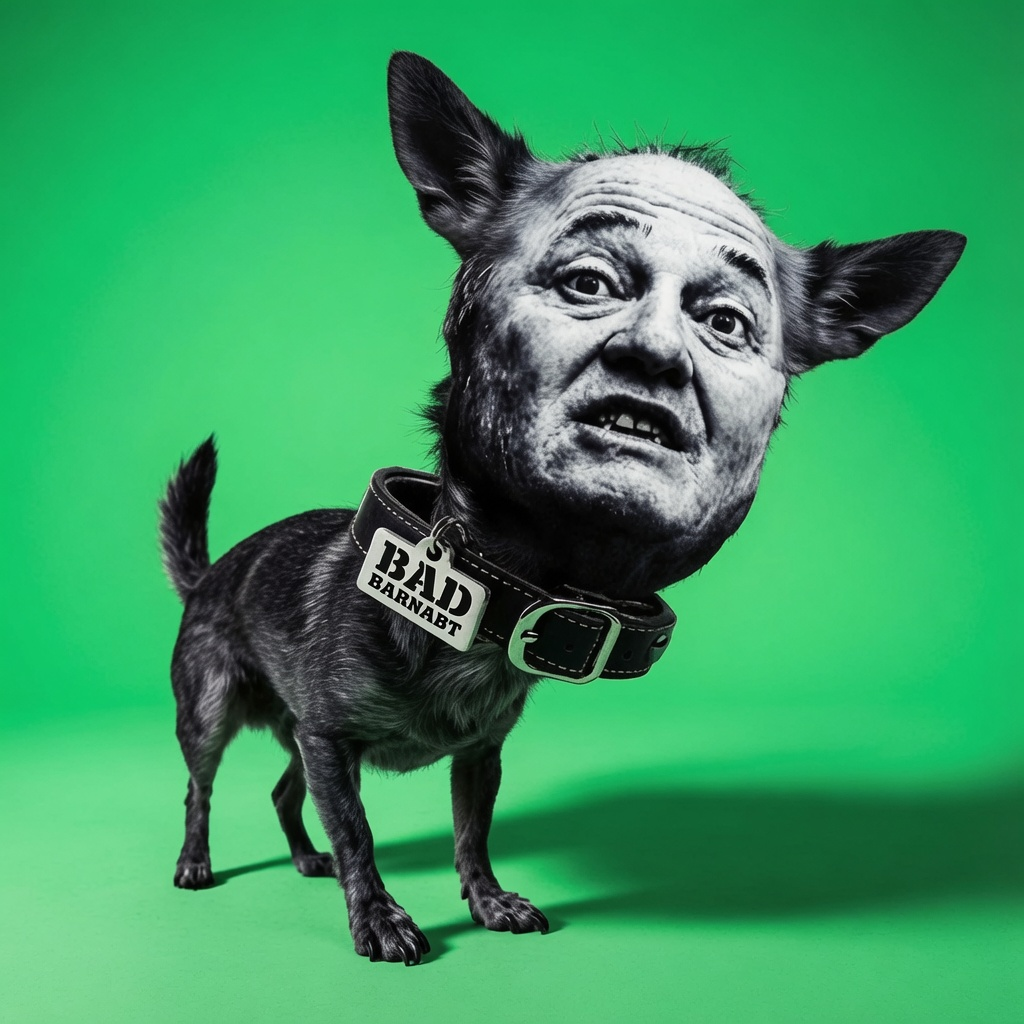
Former Deputy Prime Minister Barnaby Joyce found himself trending online after abruptly pausing an interview on ABC’s 7.30 to shout at his young dog, Stella.
As host Sarah Ferguson questioned Joyce about political issues surrounding One Nation leader Pauline Hanson, the veteran Nationals politician suddenly looked away from the camera and bellowed, “Sit down.”
Moments later, he apologised to viewers.
“Sorry. It’s just the dog,” Joyce said before returning to the interview.
The exchange quickly circulated across social media, drawing everything from amusement to criticism. While many Australians saw the interruption as a relatable moment for anyone who has owned an energetic dog, animal behaviour experts say the incident highlights a much more important conversation: whether shouting is ever an effective way to train a pet.
According to specialists in canine behaviour, the answer is generally no.
Modern behavioural science suggests that yelling rarely teaches dogs what owners intend. Instead of understanding which behaviour is unwanted, dogs are more likely to associate their owner’s raised voice with fear, confusion or unpredictability.
Cath Jennings, a certified professional dog trainer, behaviourist and veterinary nurse, says dogs thrive on consistency and predictable interactions.
“Dogs love predictability,” Jennings explains. “When their guardian suddenly becomes angry and shouty, they’re not necessarily learning to stop a behaviour. They’re learning that their person has become frightening and unpredictable.”
She says even a single stressful encounter can trigger the release of stress hormones, including cortisol, which may remain elevated long after the incident has passed.
Modern domestic dogs already face numerous daily stressors—from unfamiliar noises and visitors to traffic, deliveries and changing routines. Because of this, experts argue that owners should become a reliable source of safety rather than another cause of anxiety.
Dr Suzie Fowler, Chief Science Officer at RSPCA Australia, says another factor many people overlook is just how sensitive a dog’s hearing really is.
Dogs hear a much wider range of frequencies than humans and are significantly more sensitive to loud sounds. A shout that may feel ordinary to a person can be startling for an animal standing only a few metres away.
“It’s not just the volume,” Fowler explains. “Tone of voice, body language and the emotion behind an interaction all influence how a dog experiences that moment.”
Rather than punishment, she says dogs respond far better to calm communication combined with positive reinforcement when they display the desired behaviour.
Positive reinforcement has become one of the foundations of modern dog training over the past two decades.
Instead of punishing unwanted behaviour, trainers reward behaviours they want repeated using treats, praise, toys or affection. Numerous studies have shown this approach improves learning while strengthening trust between owners and their pets.
This represents a significant shift from older training methods that once encouraged punishment-based techniques such as yelling, leash corrections or physically reprimanding dogs after accidents inside the home.
Animal welfare organisations now overwhelmingly discourage those practices.
Researchers have found punishment-based training can increase anxiety, damage owner-dog relationships and, in some cases, contribute to aggressive responses rather than reducing unwanted behaviour.
Dr Diana Barker, President of the Australian Veterinary Association, says barking itself should not automatically be viewed as disobedience.
“Barking is communication,” Barker says.
Dogs bark for many different reasons, including alerting owners to unfamiliar sounds, seeking attention, expressing excitement, feeling anxious or responding to environmental changes.
Understanding why the barking is occurring is often more productive than immediately attempting to suppress it.
If the cause cannot be addressed immediately, Barker recommends calmly relocating the dog to another room with toys or another suitable activity rather than reacting emotionally.
In Joyce’s case, he later explained that Stella had been barking continuously from underneath the deck at his home while he was conducting the live television interview.
Few pet owners would envy trying to balance a national television appearance while simultaneously managing an energetic young dog.
Experts acknowledge that unexpected interruptions happen to virtually every dog owner.
The key difference lies not in whether owners become frustrated, but how they respond once frustration appears.
Preparation, they say, can significantly reduce the likelihood of these situations.
If an owner knows they are about to participate in an important meeting, television interview or online conference, providing a quiet room with comfortable bedding, fresh water, enrichment toys or food puzzles can help keep a dog occupied.
Dogs that have recently exercised or completed mentally stimulating activities are also more likely to settle during periods when owners require uninterrupted concentration.
Many trainers recommend enrichment activities that engage a dog’s extraordinary sense of smell.
Sniffing games, scent trails, puzzle feeders and so-called “decompression walks” allow dogs to investigate their surroundings at their own pace, providing significant mental stimulation while reducing stress.
Jennings describes decompression walks as one of the most effective ways to help dogs relax after experiencing a stressful event.
Unlike brisk exercise focused on covering distance, decompression walks encourage dogs to stop frequently, sniff extensively and explore their environment naturally.
Research increasingly supports the idea that allowing dogs to engage in natural sniffing behaviour contributes positively to their emotional wellbeing.
Experts also note that owners should avoid interpreting every unwanted behaviour as defiance.
Young dogs in particular are still developing impulse control.
Breeds with working backgrounds—such as Border Collies, Staffordshire Bull Terriers and their crosses—often possess high energy levels and require substantial physical exercise alongside regular mental stimulation.
Without sufficient enrichment, those dogs may bark more frequently, seek attention or become restless indoors.
Training therefore becomes less about correcting “bad” behaviour and more about creating opportunities for dogs to succeed.
Rewarding calm behaviour, maintaining consistent routines and providing clear expectations help build habits over time.
Even when owners occasionally lose their patience—as most admit they have at some point—experts stress that a single raised voice is unlikely to permanently damage a healthy relationship.
What matters more is the overall pattern of interaction.
Dogs that consistently experience kindness, predictability and positive guidance are generally more resilient and confident than those regularly exposed to anger or punishment.
For owners who regret shouting, animal behaviourists recommend calmly reconnecting with the dog afterwards through relaxed interaction, play or an enjoyable walk rather than dwelling on the incident.
While Joyce’s brief television interruption may ultimately be remembered as one of the lighter moments of Australia’s political week, it has unexpectedly prompted a useful reminder for millions of pet owners.
Training a dog is rarely about winning a battle of volume.
Experts increasingly agree that patience, consistency and understanding why dogs behave the way they do remain far more effective than raising one’s voice.
For many Australian households, that lesson may outlast the viral clip itself.






