Australia’s housing market is once again at the centre of political debate as economists, industry figures and policymakers assess whether recent tax reforms could influence property prices, investment activity and consumer confidence in the months ahead.
The discussion has intensified following signs of softer housing conditions across several major cities. Recent market data has shown declining home values in some capital cities alongside weaker auction activity, prompting renewed scrutiny of the Albanese government’s property-related tax changes and their potential economic effects.
The reforms include changes to capital gains tax concessions and negative gearing arrangements for future investments. The government has argued the measures are designed to improve housing affordability, encourage investment in new housing and reduce tax settings that it believes have contributed to long-term distortions in the property market.
Supporters of the reforms say slowing price growth could make home ownership more attainable for first-home buyers over time. Treasury modelling released alongside the policy changes suggested the reforms would moderate house price growth rather than trigger a widespread collapse, while increasing opportunities for owner-occupiers to enter the market.
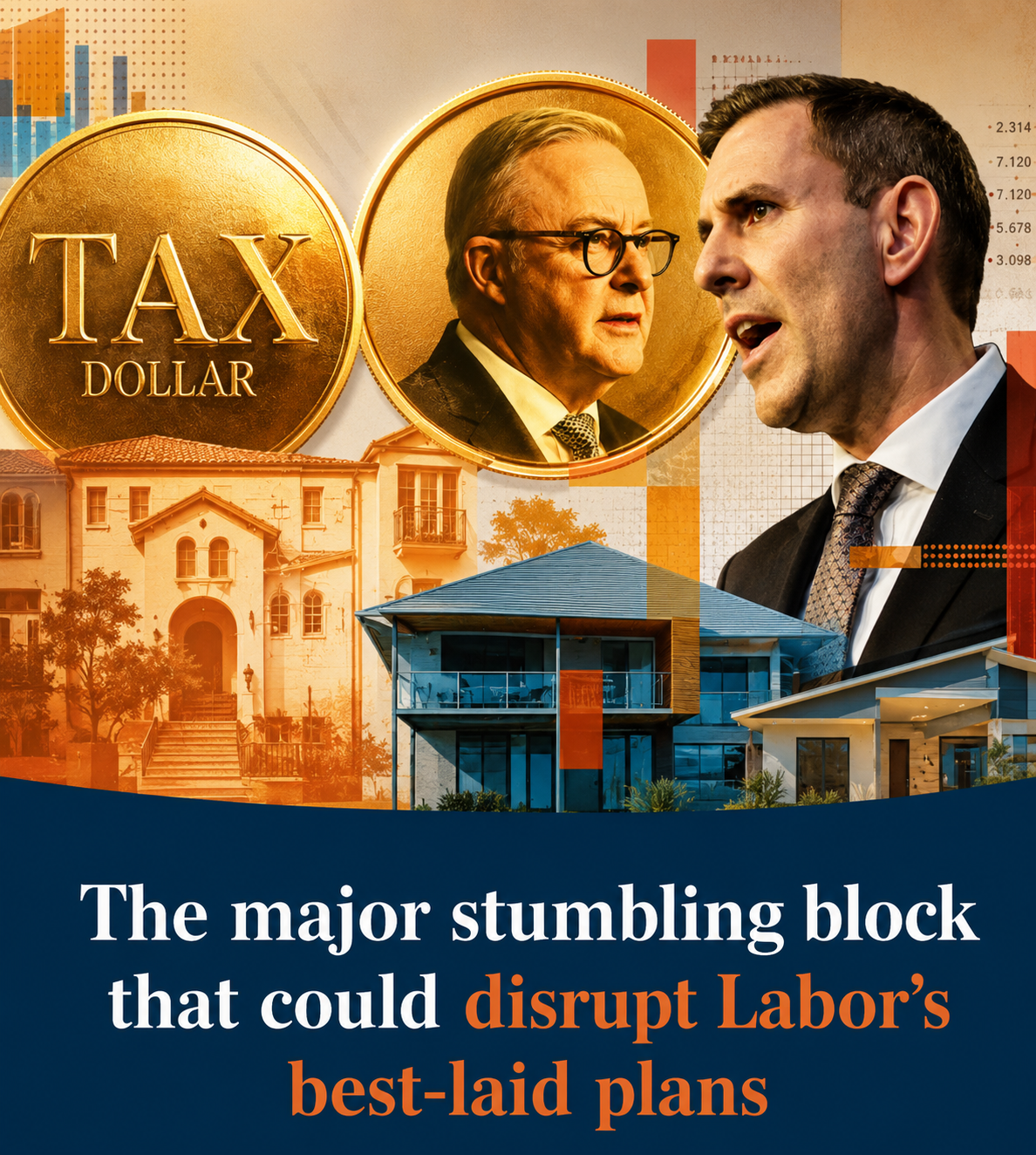
Critics, however, argue the outlook is less certain. Some economists and industry representatives warn that reduced investor demand, combined with elevated interest rates and weaker consumer confidence, could place additional downward pressure on housing activity. They also caution that a sustained decline in property values could affect household wealth, spending and construction activity.
The debate comes at a time when Australia’s housing market is already facing multiple challenges. Affordability remains a major concern for many households, while builders continue to grapple with construction costs, labour shortages and planning constraints that have limited the pace of new housing supply.
Housing approvals have also remained below the level many analysts believe is necessary to achieve the government’s long-term housing construction targets. Industry groups have repeatedly argued that tax policy alone cannot resolve affordability challenges without broader reforms to increase housing supply and improve planning processes.
For investors, the policy changes introduce a new environment that may influence future investment decisions. Some market participants believe demand could shift towards newly built homes, which continue to receive more favourable tax treatment under the government’s approach, while others expect investors to adopt a wait-and-see approach until market conditions become clearer.
The government has defended the reforms, maintaining that Australia’s housing system requires structural change and that improving affordability will benefit future generations. Ministers have argued the objective is not to reduce property values dramatically but to slow price growth while encouraging additional housing supply.
Political observers note that housing remains one of the defining economic issues facing the Albanese government. Because residential property represents a significant share of household wealth, any sustained market slowdown is likely to attract close attention from homeowners, investors, financial institutions and policymakers alike.
Whether the recent market weakness proves temporary or develops into a broader downturn will depend on a combination of factors, including interest rate movements, economic growth, housing supply and buyer confidence. As those forces continue to evolve, the impact of Labor’s tax reforms will remain a closely watched issue in Australia’s economic and political landscape.






