Australia’s housing affordability crisis has again become the centre of political debate after a new opinion piece argued the Albanese Government is being unfairly blamed for reforms that seek to address structural problems dating back more than two decades.
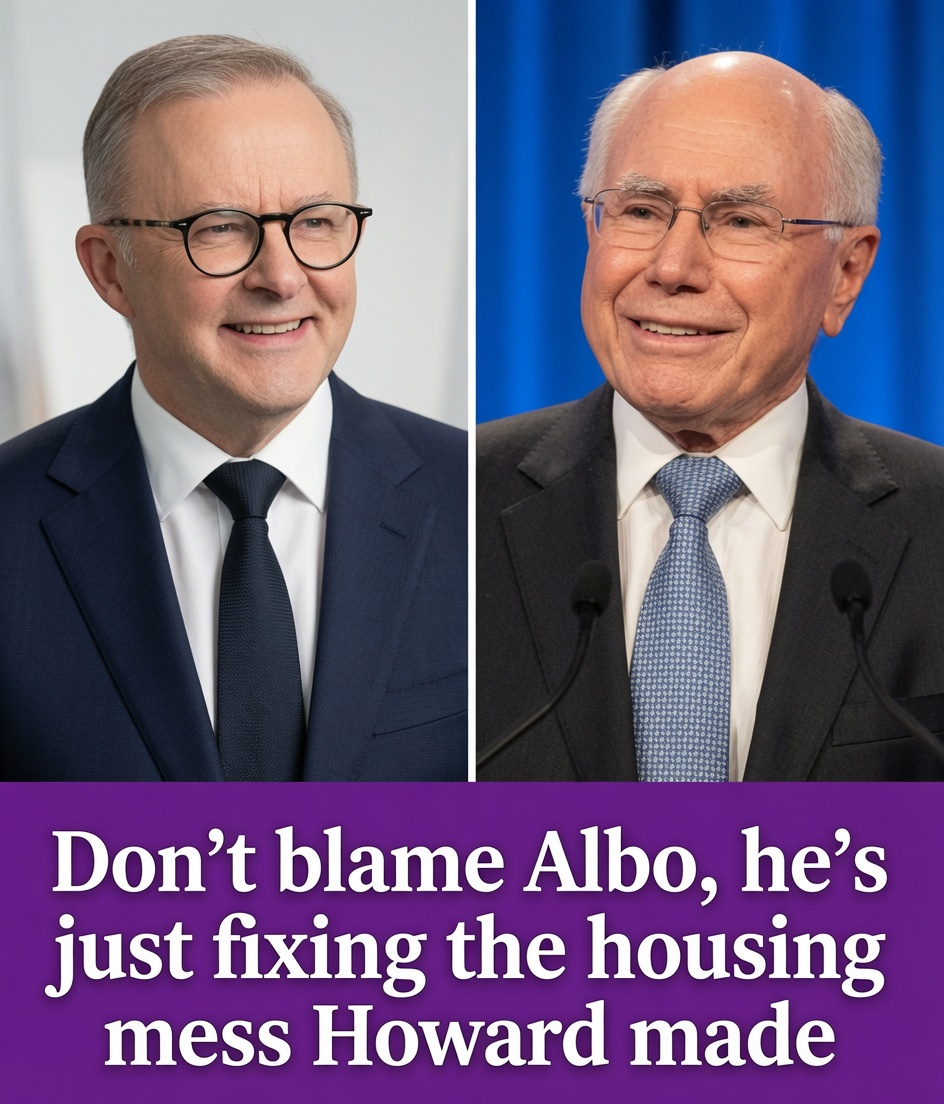
In an opinion article, former Queensland minister Robert Schwarten argues that critics of the federal government’s proposed housing tax reforms must also acknowledge that the policy settings introduced under former Prime Minister John Howard have failed to deliver affordable housing for a growing share of Australians.
The commentary comes as housing affordability, rental shortages and home ownership remain among the most significant domestic policy issues facing the Albanese Government, with both major parties offering competing solutions ahead of future elections.
An opinion, not government policy
Schwarten contends that the Albanese Government has become the first federal administration willing to make meaningful changes to long-standing tax settings affecting residential property investment.
His central argument is that if critics oppose altering those arrangements, they must also accept responsibility for the outcomes produced under the existing system.
The article represents the author’s personal opinion rather than official government policy, but reflects a broader debate that has intensified as housing affordability has deteriorated across much of Australia.
The legacy of the Howard-era property system
Many economists trace the modern housing policy debate to two significant tax settings that became firmly established during John Howard’s period in office.
The first is negative gearing, which allows eligible property investors to offset investment losses against taxable income.
The second is the capital gains tax discount introduced in 1999, which reduced the amount of tax payable on eligible capital gains for assets held longer than 12 months.
Supporters argue these measures encourage investment in housing, increase rental supply and help Australians build long-term wealth.
Critics, however, contend the combined effect has encouraged investors to compete more aggressively with first-home buyers, contributing to sustained increases in property prices over many years.
Why Labor wants change
The Albanese Government has made housing one of its major policy priorities, introducing initiatives aimed at increasing housing supply while supporting home ownership.
Recent reforms have included the Housing Australia Future Fund, expanded assistance for first-home buyers and measures designed to accelerate residential construction.
The government has also proposed changes affecting tax concessions available to some property investors, arguing that existing settings should better support the delivery of newly built homes rather than encouraging investment in established housing stock.
Labor maintains that increasing overall housing supply is essential if affordability is to improve over the long term.
Opponents warn of unintended consequences
Critics of changes to property tax incentives argue that altering investment settings could discourage private investors from entering or remaining in the rental market.
Industry groups and many economists have warned that if investment falls while population growth remains strong, rental shortages could worsen before additional housing supply reaches the market.
Some also argue that frequent policy changes create uncertainty for investors, potentially delaying new residential developments.
The Coalition has consistently defended negative gearing and the capital gains tax discount, arguing they remain important components of Australia’s housing market.
The broader housing challenge
While political debate often focuses on taxation, housing experts generally agree that Australia’s affordability problems are driven by multiple factors rather than a single policy.
Population growth, planning restrictions, infrastructure constraints, rising construction costs, labour shortages, interest rates and limited land supply have all contributed to the pressure experienced in both the housing purchase and rental markets.
The National Housing Supply and Affordability Council has repeatedly warned that Australia faces a significant shortfall in new housing over coming years unless construction activity increases substantially.
That shortage has placed upward pressure on both house prices and rents across many metropolitan and regional areas.
A long-running ideological divide
Housing policy has long divided Australia’s major political parties.
Labor has generally argued that government intervention is needed to improve affordability and expand access to home ownership, while the Coalition has traditionally placed greater emphasis on maintaining investor confidence and encouraging private-sector investment.
Neither approach has fully resolved the underlying imbalance between housing demand and supply, ensuring the issue remains politically contentious regardless of which party forms government.
As a result, debates over negative gearing, capital gains tax concessions and broader housing policy regularly re-emerge whenever affordability deteriorates.
What comes next?
The opinion piece by Robert Schwarten reflects one perspective within that broader national conversation.
Whether voters ultimately agree that responsibility lies primarily with historical policy settings or with more recent governments is likely to remain a subject of political disagreement.
What is less disputed is the scale of Australia’s housing challenge. Home ownership has become increasingly difficult for many younger Australians, vacancy rates remain exceptionally low in numerous regions, and housing affordability continues to rank among the country’s most pressing economic and social issues.
As governments consider further reforms, the debate is likely to centre not only on who is responsible for the current crisis but also on which combination of policies can deliver more homes, improve affordability and maintain a stable rental market over the decades ahead.






