Celebrity endorsements have long played a role in Australian election campaigns, and former singer and actress Holly Valance has become one of the latest high-profile figures to publicly align herself with a political movement.
Valance has declared her support for Pauline Hanson and One Nation, saying she believes Australia needs significant political change and that the party is best placed to deliver it. Her comments were shared by One Nation through its official social media channels and form part of a broader campaign highlighting supporters from outside traditional political circles.
Although celebrity endorsements rarely determine election outcomes on their own, they often generate substantial public discussion because they introduce political messages to audiences that may not normally follow day-to-day political news.
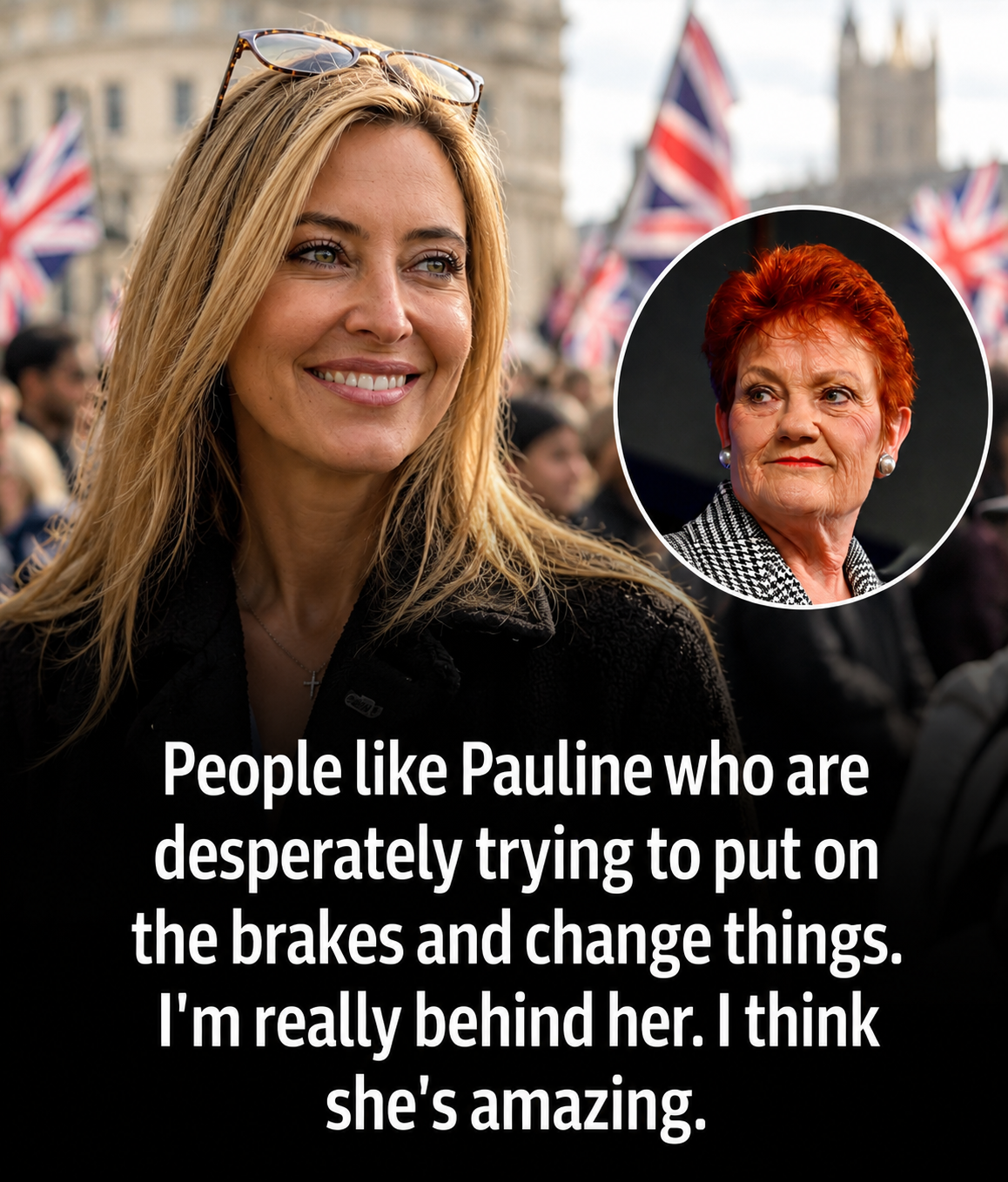
Valance’s involvement with One Nation has expanded considerably during the past year. In addition to publicly supporting Pauline Hanson, she has appeared in campaign material, participated in political events and collaborated on promotional projects that attracted widespread media attention. Those activities have positioned her as one of the party’s most recognisable public supporters.
Supporters of One Nation have welcomed her decision, arguing that well-known public figures can help broaden political debate and encourage greater engagement with policy issues. They see celebrity backing as another way of communicating the party’s message to voters beyond traditional political advertising.
Critics take a different view. Some commentators argue that celebrity endorsements can oversimplify complex policy questions or shift attention away from detailed discussion of legislation and government performance. Others have questioned whether entertainers should play such prominent roles in election campaigning, although supporters respond that public figures have the same right as any other Australian to express political opinions.
The growing involvement of public personalities reflects a broader trend in Australian politics. Social media platforms have allowed politicians and parties to communicate directly with supporters while also making endorsements from entertainers, business leaders and sporting figures far more visible than in previous election cycles.
Political scientists have noted that endorsements are generally most effective when they reinforce opinions already held by voters rather than fundamentally changing political preferences. As a result, their greatest influence may be increasing awareness of a campaign or encouraging supporters to become more active, rather than persuading large numbers of undecided voters.
For One Nation, endorsements from recognisable figures can help attract media coverage at a time when competition for public attention is intense. For other parties, similar support from public figures has also become a familiar feature of modern campaigning, illustrating how politics and popular culture increasingly overlap.
Whether celebrity involvement ultimately affects voting behaviour remains difficult to measure. Elections are typically shaped by a combination of factors including economic conditions, cost-of-living pressures, leadership perceptions and party policies. Public endorsements may contribute to the conversation, but they represent only one element within a much broader political landscape.
As campaigning continues, Holly Valance’s public support is likely to remain part of the discussion surrounding One Nation’s efforts to expand its profile. The longer-term significance of that endorsement will ultimately depend on whether it translates into sustained public engagement or simply becomes another moment in Australia’s increasingly personality-driven political debate.






