An increasing number of Australians seeking fertility treatment are turning to overseas sperm banks as local clinics continue to experience shortages in some donor categories, prompting renewed discussion about donor recruitment and patient choice.
Fertility specialists say the issue is driven less by an overall lack of sperm donors and more by differences between the characteristics many patients request and the donor profiles currently available through Australian fertility programs. As demand evolves, some clinics have expanded their access to internationally accredited donor banks to provide patients with additional options.
Australian fertility services operate under strict regulatory frameworks designed to protect both donors and donor-conceived children. Donors must undergo extensive medical screening, genetic testing and counselling before being accepted into treatment programs, while clinics are also subject to limits on the number of families that may use a single donor.
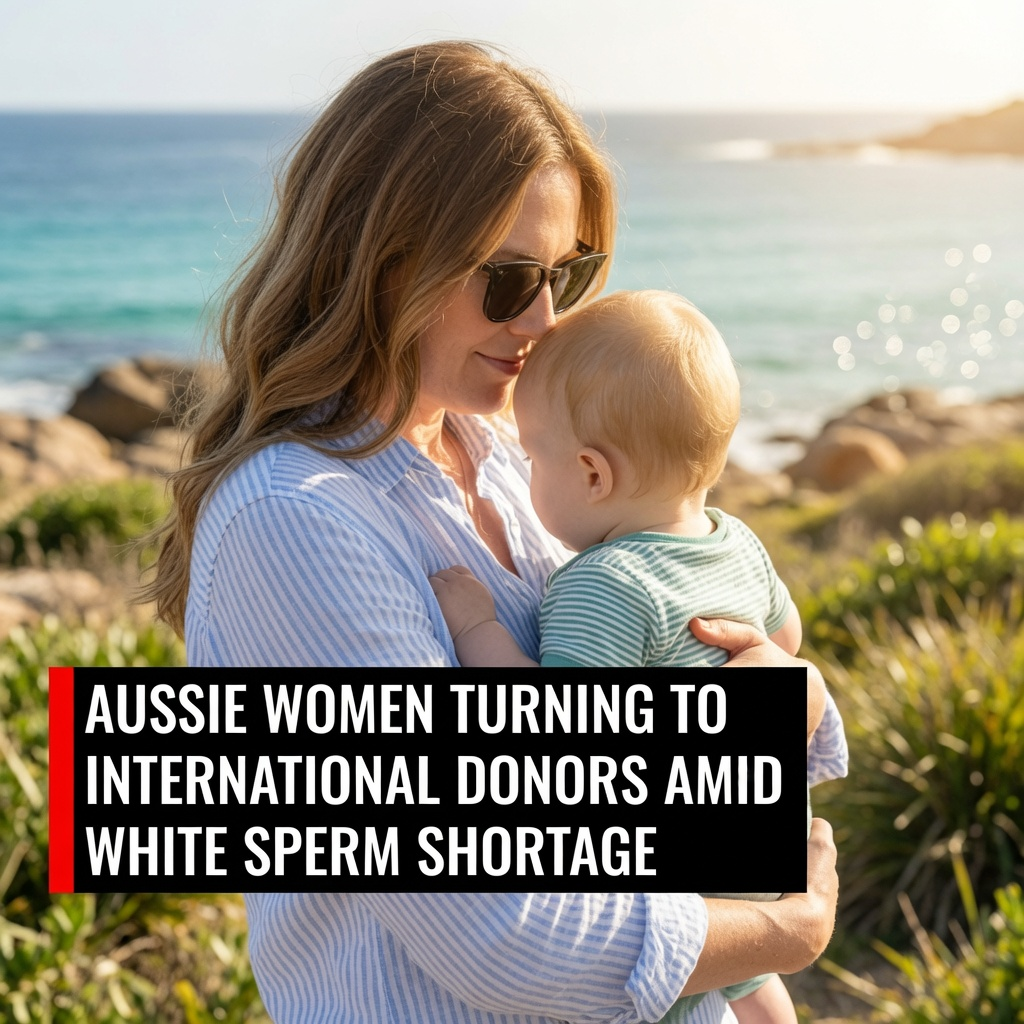
Specialists note that patient preferences vary considerably. Some people seek donors with particular physical characteristics, cultural backgrounds or medical histories, while others prioritise factors such as educational background, interests or family health information. When suitable matches are unavailable locally, overseas donor programs may offer a wider selection because of their substantially larger donor databases.
Australia’s assisted reproductive technology sector has relied on both domestic and imported donor sperm for many years. Licensed overseas donor banks that meet Australian regulatory requirements can supply clinics, provided the imported donations comply with relevant federal, state and territory legislation governing reproductive treatment.
Medical experts emphasise that donor selection is only one part of the fertility treatment process. Patients typically receive counselling about legal rights, future access to donor information, medical considerations and the long-term interests of any child conceived through donor treatment before proceeding with assisted reproduction.
Ethicists and reproductive medicine specialists also note that balancing patient autonomy with donor availability presents an ongoing challenge. Clinics seek to respect individual preferences while encouraging realistic expectations where certain donor characteristics are in limited supply.
The issue has also renewed discussion about donor recruitment within Australia. Fertility organisations have periodically encouraged more people to consider becoming donors, highlighting the important role donation can play in helping individuals and couples who experience infertility or require donor-assisted conception to build families.
At the same time, regulators continue to monitor donor programs to ensure high standards of safety, transparency and record-keeping. Australian laws increasingly recognise the interests of donor-conceived people, including access to information about their biological origins under various state-based legislative frameworks.
As demand for assisted reproductive treatment continues to grow, fertility providers expect discussions about donor availability, international sourcing and patient choice to remain important issues. Expanding domestic donor participation while maintaining rigorous medical and ethical standards is likely to remain a key priority for Australia’s fertility sector in the years ahead.






