The Albanese government has announced a new $18.1 million investment aimed at improving access to primary healthcare for Australia’s lesbian, gay, bisexual, transgender, intersex, queer and other gender and sexuality diverse (LGBTIQA+) communities, arguing that many patients continue to face barriers when seeking routine medical care.
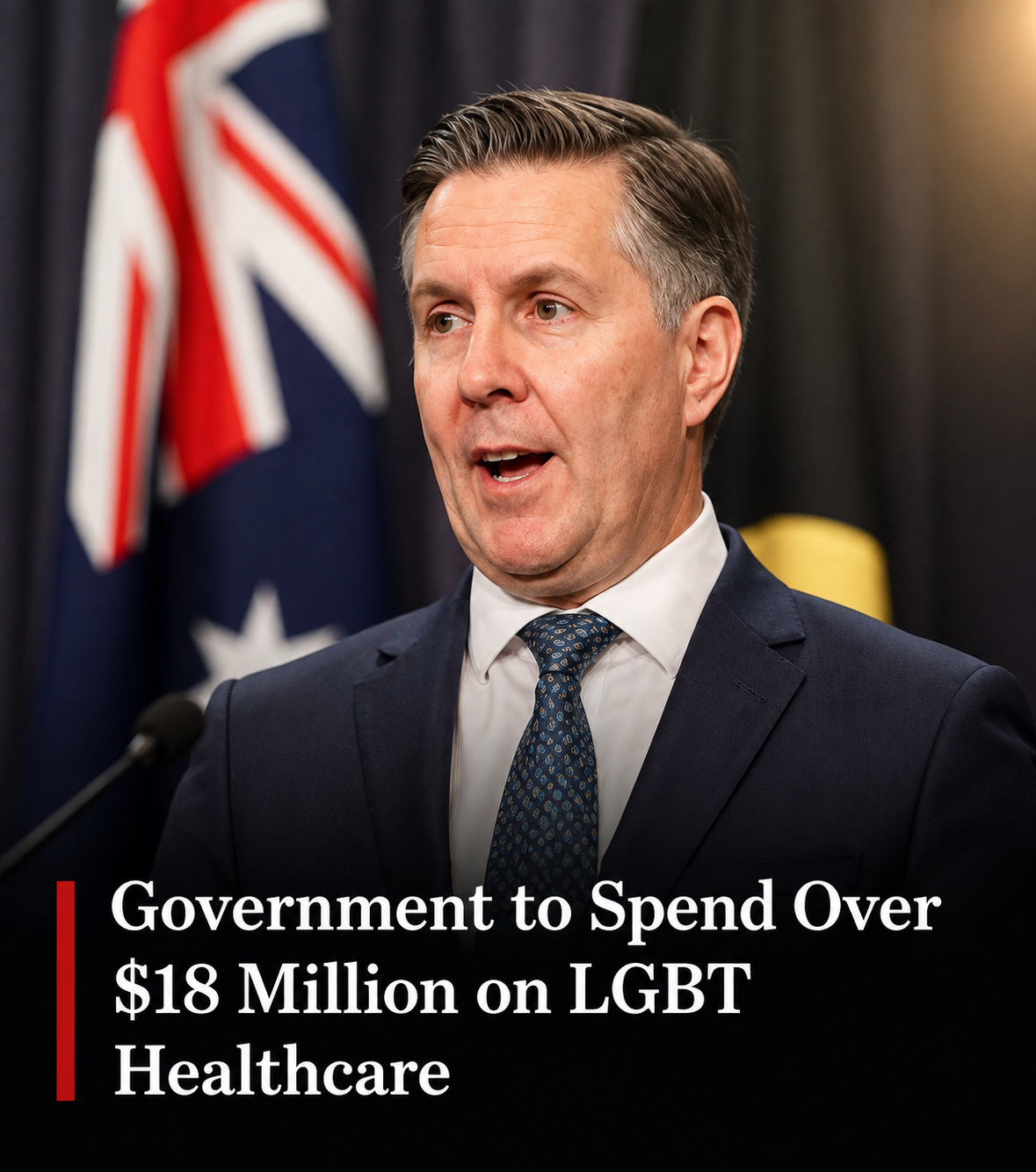
More than half of the funding—$10 million—will be directed towards a voluntary national training program for general practitioners, nurses and other primary healthcare professionals. The initiative is designed to help participating providers deliver healthcare that the government describes as safe, respectful and inclusive for LGBTIQA+ patients.
The training program will be coordinated by a consortium led by La Trobe University’s Australian Research Centre in Sex, Health and Society (ARCSHS). It will also involve NSW-based HIV and community health provider ACON, Victorian organisation Thorne Harbour Health, and digital services company Portable.
Professor Adam Bourne, Director of ARCSHS, said improving access to inclusive healthcare was expected to encourage earlier intervention, increase preventative care and ultimately improve health outcomes.
“By improving access to inclusive primary care, the programme aims to encourage earlier intervention and preventive healthcare, improve health outcomes and help reduce health disparities experienced by these communities,” Bourne said.
The program will operate on a voluntary basis, meaning healthcare providers will choose whether to undertake the additional training and participate in an accreditation framework recognising best-practice care.
According to the government’s policy, participating clinics that complete the program may eventually be recognised through a voluntary accreditation system intended to help patients identify providers that have undertaken additional LGBTIQA+ health training.
The announcement forms part of broader Commonwealth efforts to implement Australia’s 10-Year National Action Plan for the Health and Wellbeing of LGBTIQA+ People, a long-term strategy intended to address disparities in physical health, mental health and access to healthcare services.
The Department of Health has previously identified several priority areas within the action plan, including improving workforce capability, expanding access to appropriate healthcare services, strengthening preventative healthcare and improving national research and data collection.
Government data cited during the rollout of the action plan has suggested that one in three LGBTIQA+ Australians rate their health as poor or fair, while around three in four report experiencing a mental health condition at some point in their lives. Those figures have been used by the government to argue that targeted initiatives are needed to improve health outcomes.
As part of the broader strategy, previous federal funding has supported Australia’s largest national surveys into the health and wellbeing of LGBTIQA+ people, including La Trobe University’s Private Lives and Writing Themselves In research programs.
Those studies examine issues ranging from mental health and housing to discrimination, access to healthcare and experiences of gender-affirming care, providing evidence intended to guide future government policy.
The latest funding announcement also reflects an ongoing emphasis by the federal government on improving the capability of mainstream healthcare providers rather than relying solely on specialist services.
Supporters of the initiative argue that many Australians receive most of their healthcare through local GPs and community clinics, making primary care settings particularly important for reducing barriers to treatment.
The government says patients who feel comfortable accessing healthcare are more likely to seek help early, participate in preventive screening programs and receive ongoing management of chronic conditions rather than delaying treatment until illnesses become more serious.
The announcement comes after Health Minister Mark Butler earlier ordered an independent review of Australia’s standards of care and clinical guidelines relating to transgender children and adolescents.
At the time, Butler said Australians needed confidence that children, teenagers and their families were receiving the most appropriate evidence-based healthcare available while recognising the complexity of the issue. That review remains separate from the new primary healthcare funding package.
The government has increasingly invested in LGBTIQA+ health initiatives during recent years. Earlier budget measures included funding for community grants, national health surveys and support programs as part of implementing the National Action Plan.
The 2024-25 Mid-Year Economic and Fiscal Outlook allocated additional funding to support implementation of the action plan, including grants for community health initiatives and continued national research into LGBTIQA+ health outcomes.
Separately, the Australian Government’s LGBTIQA+ Health Program continues to provide competitive grants supporting community organisations delivering health and wellbeing services across the country.
While the latest funding has been welcomed by organisations involved in delivering the program, investment in LGBTIQA+ health has also remained politically contentious.
Some advocacy groups have argued that further investment is required to address longstanding disparities in healthcare access, while critics have questioned government spending priorities and whether targeted programs should receive dedicated funding.
The Albanese government maintains that improving access to culturally safe and inclusive healthcare can reduce preventable illness, improve long-term health outcomes and ease pressure on the broader health system by encouraging earlier treatment.
The new initiative is expected to be rolled out nationally through participating healthcare providers over the coming years, with training delivered by the consortium led by La Trobe University’s Australian Research Centre in Sex, Health and Society.






