The Canberra bubble is currently a pressure cooker of economic speculation as Treasurer Jim Chalmers prepares to hand down a federal budget that attempts to balance populist relief with fiscal discipline.
In a significant move to win over struggling households, the Albanese government is reportedly considering a fresh “earned income offset” of up to $300 for every taxpaying wage earner in the country.
This proposed tax sweetener aims to provide immediate cost-of-living relief, but it comes at a time when the nation’s top economists are shouting from the rooftops about the risks of further fueling inflation.
The Reserve Bank of Australia is poised to meet this Tuesday, and many experts predict another interest rate hike is on the cards to beat down the persistent rise in consumer prices.
Treasurer Jim Chalmers is walking a fair dinkum tightrope, trying to appease the Aussie battler at the checkout while ignoring the stern warnings from the International Monetary Fund.
The IMF has explicitly urged the government to resist the urge to provide further stimulus, arguing that any “cash splash” right now could undermine the RBA’s efforts to stabilize the economy.
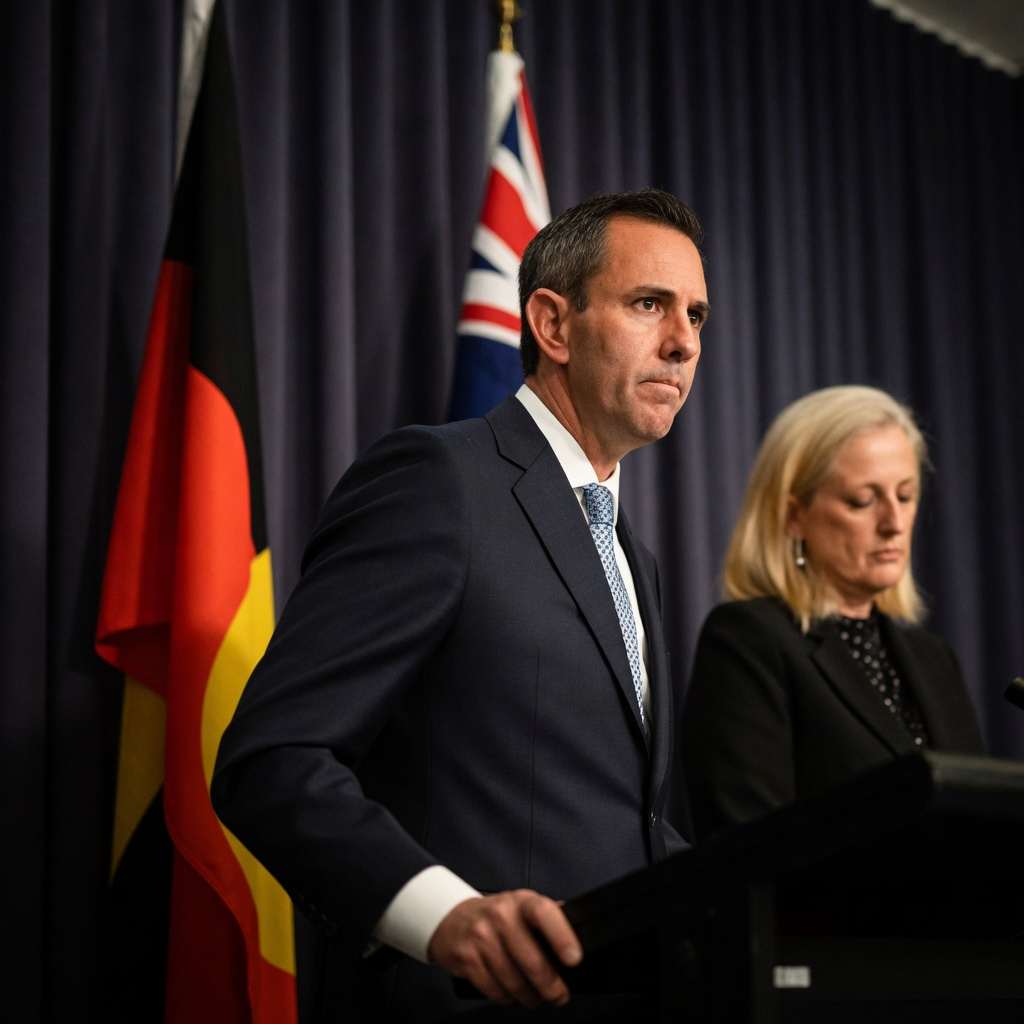
Treasurer Jim Chalmers is facing immense political pressure to deliver cost-of-living relief despite mounting warnings of an inflationary blowout.
The proposed $300 offset would apply specifically to earned income, intentionally excluding investment gains as part of Labor’s broader strategy to shift the tax burden onto assets rather than wages.
This “intergenerational equity” push is also set to target property investors, with negative gearing and the capital gains tax discount firmly in the government’s crosshairs.
As the May 12 budget looms, the quiet Australians are waiting to see if these promises of relief are fair dinkum or just another round of shonky political maneuvering ahead of an election year.
The Severe Friction Between Political Reality And Economic Responsibility
From an economic perspective, injecting more cash into the pockets of millions of Australians while inflation is still rampant is a highly questionable strategy.
According to the latest data from the Australian Bureau of Statistics, the Consumer Price Index continues to be driven by essential costs like transport, food, and energy.
While a $300 offset might seem like a win for the family budget, the RBA has made it clear that they need “rock solid” fiscal support from the government to bring prices under control.
Motley Fool CEO Tom Gardner warned that providing this money now could be a significant mistake, suggesting it should be delayed until the inflation beast has been truly tamed.
“We need to do two things: get the budget back under control and do everything we can to get inflation down,” Gardner told Sky News on Tuesday.
However, the political reality is that the government cannot afford to be seen as doing nothing while the Opposition jumps all over the cost-of-living crisis.
The hard yakka of daily life for most Aussies means that any relief is welcome, even if it risks prolonging the pain of high interest rates further down the track.
Taxpayers are rightfully worried that the government is essentially giving with one hand while the RBA takes even more with the other through mortgage repayment hikes.
The ABS reveals that household debt levels are at record highs, making any further rate increases a severe threat to the stability of the Australian property market.
If the $300 offset is seen as “inflationary,” it could force the RBA to keep rates higher for longer, effectively wiping out the benefit of the tax cut within a few months.
Labor’s Strategic Pivot Toward Asset Taxation And Intergenerational Equity
The Albanese government’s focus on “earned income” is a clear signal of their intent to reshape the national taxation system to favor workers over speculators.
By cracking down on family trusts and property incentives, Chalmers is attempting to raise the billions needed to fund his proposed relief measures without blowing the deficit.
This shift is being sold as a way to address the growing divide between older asset-wealthy Australians and younger generations who are struggling to enter the market.
The ABS reveals that the wealth gap has significantly widened over the last decade, with the “Aussie Dream” of home ownership becoming increasingly unattainable for many.
However, critics argue that targeting negative gearing and CGT during a housing supply crisis could backfire by discouraging new investment in the rental market.
The quiet Australians who have invested in property for their retirement are now feeling the heat from a government that seems determined to change the rules of the game mid-stream.
From a fiscal standpoint, the $2.5 billion already being spent on the fuel tax cut and previous income tax adjustments is already placing a massive weight on the national balance sheet.
Jim Chalmers has been quick to remind the public that more tax cuts are already scheduled for July 1 this year and next year, claiming his government is already doing the heavy lifting.
But for a family in the outer suburbs, these scheduled cuts often feel like a drop in the ocean compared to the skyrocketing costs of rent and groceries.
The hard yakka of making ends meet is a daily reality that cannot be ignored by the elites in the Canberra bubble who are preoccupied with high-level economic theory.
The Looming Showdown Between The Lodge And The Reserve Bank
The relationship between the federal government and the RBA is currently under severe strain as their respective goals appear to be heading in opposite directions.
While the Treasurer wants to stimulate the economy to help struggling families, the RBA Governor is effectively trying to cool it down to prevent a total price blowout.
This mismatch in policy could lead to a significant period of economic instability, with taxpayers caught in the middle of a fair dinkum tug-of-war between two powerful institutions.
Wait until the full budget papers are released on May 12 to see if there is any serious effort to rein in government spending to match the RBA’s restrictive stance.
The ABS shows that government consumption has been a primary driver of GDP growth recently, which is exactly the kind of spending that fuels inflationary pressure.
If the RBA decides to lift rates again this Tuesday, it will be a clear signal that they do not believe the government’s current fiscal path is “rock solid.”
The quiet Australians will be the ones paying the price for this lack of coordination, facing higher interest bills on top of an already punishing cost of living.
The $300 offset might be a popular political move, but if it results in another 0.25 per cent rate hike, the average mortgage holder will be worse off by thousands of dollars a year.
The resilience of our economy is being tested like never before, and the decisions made in the next seven days will define the financial future of the nation for years to come.
It’s time for some straight talk from Canberra: we cannot spend our way out of an inflation crisis without making the problem worse for everyone in the long run.
The gánh nặng of bad policy is always borne by the Aussie battler, while the political class continues to play games with the national budget for the sake of optics.
No more rorts, no more shonky cash splashes, and no more ignoring the hard economic truths that are staring us in the face.
The hard yakka starts now to return the budget to a sustainable footing and ensure that the “lucky country” remains a place where everyone has a fair go.
We will be closely monitoring every move from the Treasurer and the RBA Governor as they navigate this critical week in Australian history.
The future of your wallet is on the line, and the outcome of this battle for the budget will impact every single Australian household.
Stay tuned as we bring you the latest developments from the front lines of the Australian economic and political landscape.
Because at the end of the day, a $300 sweetener is a poor substitute for a stable and affordable life.