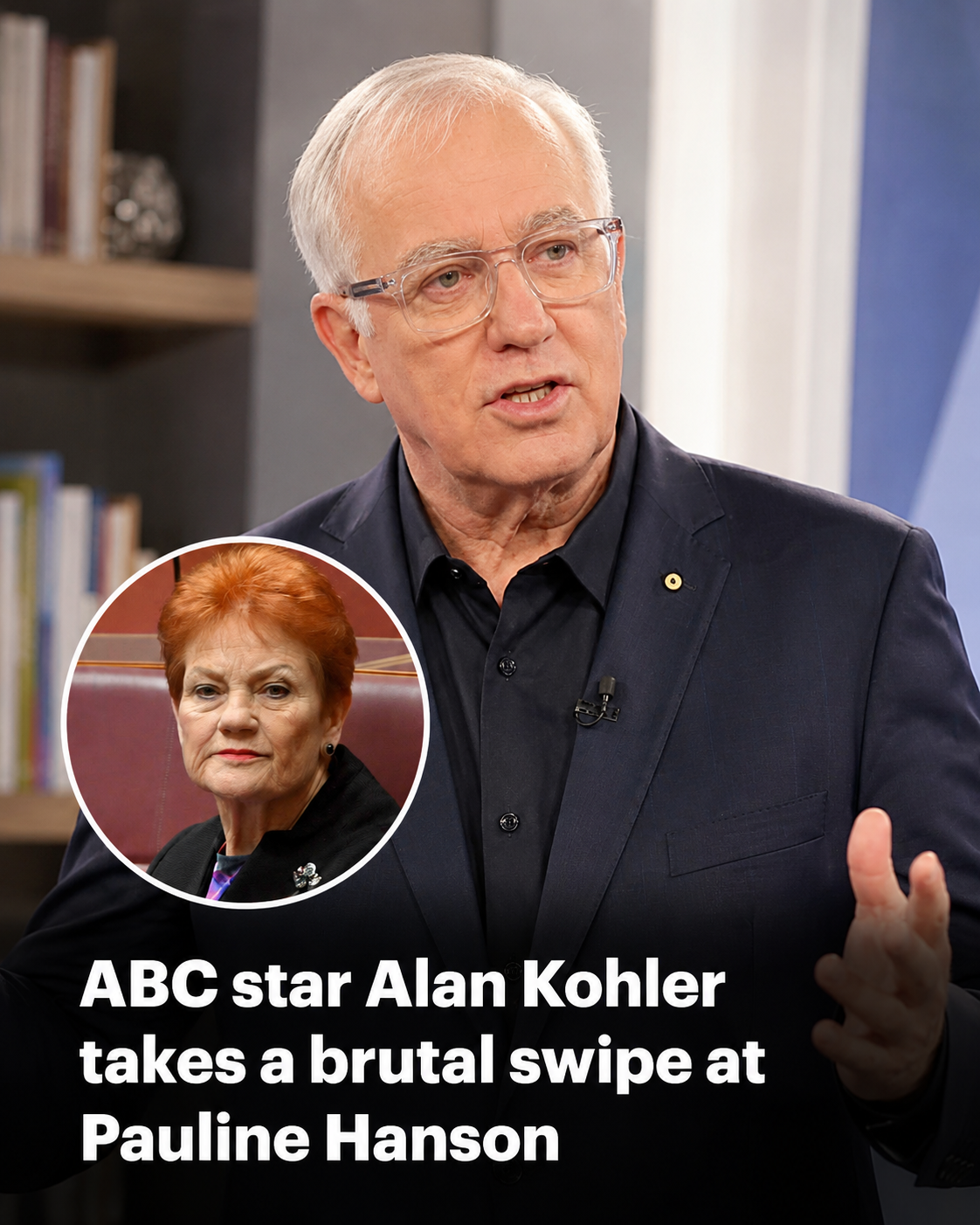
Australia’s economic policy debate has intensified after financial commentator Alan Kohler questioned whether One Nation’s economic platform offers a long-term solution to the country’s structural challenges, while supporters of the party argue its proposals directly address concerns affecting everyday Australians.
The discussion comes as One Nation continues to attract increased public attention through policies focused on cost-of-living pressures, housing affordability, migration, taxation and energy prices. Rising support for the party in some opinion polls has prompted greater scrutiny of both its economic agenda and its broader political platform.
In his commentary, Kohler argued that Australia faces a series of complex economic issues—including productivity growth, business investment, government spending and demographic change—that require comprehensive long-term policy responses. He questioned whether populist policy proposals alone would adequately address those structural challenges.
Supporters of One Nation take a different view. They argue that the party has focused attention on issues many voters believe have not been adequately addressed by the major parties, including electricity prices, migration levels, housing availability and the rising cost of living. They contend these concerns have become increasingly significant for households across Australia.
Economic analysts note that Australia’s current challenges extend across multiple sectors. Inflation has eased from recent highs but household budgets continue to face pressure from elevated mortgage repayments, rental costs, insurance premiums and everyday living expenses. Governments and opposition parties have proposed a range of competing policies aimed at improving affordability.
Housing remains one of the most significant issues in the national debate. Limited housing supply, strong population growth and construction constraints have contributed to higher property prices and rents in many parts of the country. Political parties differ on how quickly new housing can be delivered and what role migration policy should play in addressing demand.
Energy policy also continues to divide political opinion. Some parties advocate accelerating the transition to renewable energy, while others favour greater investment in gas, coal or nuclear generation. Economists generally agree that future electricity prices will depend on a combination of generation capacity, transmission investment, fuel costs, technological development and regulatory settings.
Political scientists observe that growing support for minor parties often reflects broader voter dissatisfaction rather than endorsement of a single policy proposal. When economic uncertainty increases, voters may become more willing to consider alternatives to the major parties, creating a more competitive political environment.
Opinion articles such as Kohler’s represent the views of their authors rather than established fact. They contribute to public debate by offering analysis and criticism but exist alongside a wide range of alternative perspectives from economists, policymakers, political leaders and other commentators.
As Australia continues to debate its economic future, questions surrounding taxation, government spending, housing, migration and productivity are expected to remain central political issues. Whether voters ultimately support the approaches advocated by Labor, the Coalition, One Nation or other parties will depend on how they assess competing policy solutions to the country’s long-term economic challenges.






