Olympic swimming legend Dawn Fraser has sharply criticised Prime Minister Anthony Albanese for remaining silent over a controversial ABC segment targeting mining executive Gina Rinehart, as the dispute surrounding the national broadcaster develops into one of Australia’s most politically charged media controversies of the year.
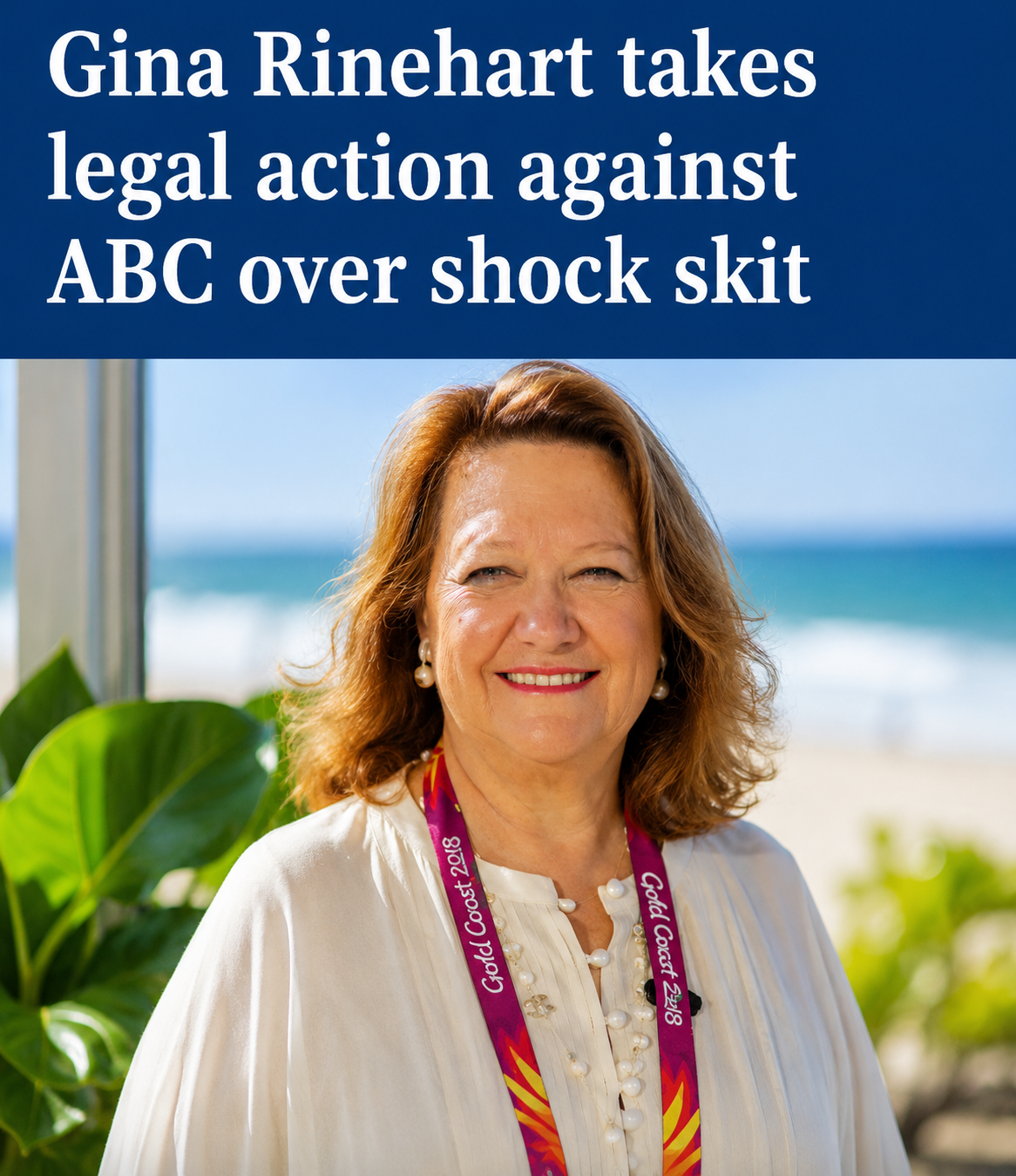
The criticism comes after Hancock Prospecting, chaired by Ms Rinehart, commenced legal action against the ABC and several of its most senior executives, alleging the broadcaster refused to remove or apologise for a satirical segment that included graphic and violent language directed at Australia’s richest woman.
While the legal proceedings remain at an early stage, the dispute has expanded well beyond the courtroom, drawing in politicians, sporting figures and commentators and prompting a broader debate about editorial standards, freedom of expression and the responsibilities of Australia’s publicly funded broadcaster.
Fraser’s criticism of the Prime Minister
Fraser, one of Australia’s most celebrated sporting figures and a long-time supporter of Australian swimming alongside Ms Rinehart, used social media to express frustration at what she described as the Prime Minister’s failure to publicly condemn the ABC segment.
She argued that a taxpayer-funded broadcaster should never air material depicting or appearing to encourage violence against an identifiable individual and questioned why the Federal Government had not spoken more forcefully about the controversy.
Her comments add another high-profile voice to growing criticism directed at both the ABC and the government’s handling of the issue.
How the controversy began
The dispute stems from a four-minute satirical film titled A Very Relaxing Video, created by filmmaker Kate McGuinness and broadcast as part of the ABC program Race Around the World on 12 July.
The segment concluded with graphic remarks directed at Ms Rinehart, including violent imagery that many critics argued went far beyond political satire.
Supporters of the broadcaster characterised the production as exaggerated satire intended to provoke discussion rather than encourage literal violence, while critics argued the language normalised threats against a prominent Australian business leader.
The controversy quickly spread across political and media circles, generating complaints to the ABC and calls for the segment to be removed from the broadcaster’s digital platforms.
Hancock Prospecting launches legal action
According to Hancock Prospecting, the company first wrote to the ABC board requesting that the broadcaster immediately remove the segment, issue a public apology and investigate how the material had passed editorial approval.
When those requests were not met to the company’s satisfaction, legal notices were sent to several senior ABC executives, including Chair Kim Williams and Managing Director Hugh Marks, alleging serious civil and criminal law breaches.
The legal correspondence also extended to other senior figures within the organisation responsible for editorial oversight.
As of the commencement of legal proceedings, the broadcaster had not removed the segment from its online platforms.
ABC’s response
The ABC confirmed it had received the legal correspondence and said complaints relating to the program had been referred to the ABC Ombudsman for independent consideration.
The broadcaster indicated that it would not make further detailed public comment while that internal complaints process remained underway.
Filmmaker Kate McGuinness subsequently issued a public apology to those offended by the segment, saying her intention had been satirical rather than an encouragement of violence.
However, Hancock Prospecting maintains that the apology from the filmmaker does not resolve its concerns because the broadcaster itself has not apologised or removed the content.
Political reactions continue to grow
The controversy has generated responses from both government and opposition figures.
Communications Minister Anika Wells described the content as “unacceptable” while simultaneously emphasising that the ABC operates independently of government and that editorial decisions are not made by ministers.
Acting Prime Minister Richard Marles also indicated the material was inappropriate, although the government has continued to stress the importance of preserving the broadcaster’s editorial independence.
Critics, including Fraser and several conservative commentators, argue that condemning violent rhetoric is separate from interfering with editorial independence and that stronger public leadership was warranted.
Editorial independence versus accountability
The dispute has revived longstanding questions about the balance between editorial freedom and public accountability.
The ABC operates under the Australian Broadcasting Corporation Act, which establishes the broadcaster as an independent public institution while requiring it to meet editorial standards set out in its policies and statutory charter.
Supporters of editorial independence argue governments should not interfere in programming decisions, even where content attracts controversy.
Others contend that publicly funded media organisations must be held to particularly high standards when broadcasting material involving identifiable individuals, especially where graphic depictions of violence are involved.
The matter has therefore become not only a legal dispute but also a wider discussion about the responsibilities attached to publicly funded journalism and entertainment.
The legal issues likely to be examined
The proceedings initiated by Hancock Prospecting are expected to examine whether the ABC’s publication of the segment breached Australian law and whether the broadcaster fulfilled its editorial responsibilities before approving the material for broadcast.
At this stage, the court has not considered the merits of those allegations, and no findings have been made against the ABC or any individual executive.
The litigation remains in its preliminary stages, and the broadcaster will have the opportunity to respond fully to the claims through the legal process.
Why the case has attracted national attention
The dispute has resonated beyond the immediate parties because it touches on broader issues that regularly shape Australian public debate.
Questions surrounding political satire, freedom of artistic expression and the limits of acceptable public commentary have repeatedly generated controversy, particularly where public figures are involved.
At the same time, many observers argue that depictions appearing to encourage violence deserve different consideration from ordinary political criticism or satire.
The fact that the broadcaster is funded by taxpayers has added another dimension to the debate, with critics questioning whether public money should support content that many viewers regarded as offensive.
A broader conversation about public broadcasting
The controversy also arrives during a period of increased scrutiny of the ABC’s editorial decision-making.
In recent months, the broadcaster has faced several high-profile complaints concerning aspects of its journalism and programming, reinforcing calls from some political figures for stronger oversight while prompting renewed defence of editorial independence from others.
Whether the current dispute ultimately results in legal liability, editorial changes or no formal sanction at all, it has already become one of the most significant public debates involving the ABC in recent years.
For Dawn Fraser, however, the central issue remains straightforward: she believes Australia’s political leaders should publicly reject language that appears to glorify violence regardless of the target. For the ABC, the challenge now is likely to be defending both its editorial judgment and its legal position as the proceedings brought by Hancock Prospecting move through the courts.