One of the most closely watched political contests on Australia’s conservative side is unfolding in Western Australia, where the federal seat of Canning has become the focus of an increasingly public dispute between the Liberal Party and Pauline Hanson’s One Nation.
The latest escalation came after Liberal MP Andrew Hastie responded forcefully to One Nation’s decision to target his electorate, making clear that he intends to defend the seat vigorously rather than seek accommodation with the minor party. His remarks have attracted national attention, but they also point to a broader political challenge extending well beyond a single electorate.
For several years, One Nation has steadily expanded its support among voters dissatisfied with both major parties. That growth has increased pressure on the Liberal Party in a number of regional and outer metropolitan electorates where conservative voters are now divided between multiple parties rather than rallying behind a single candidate.
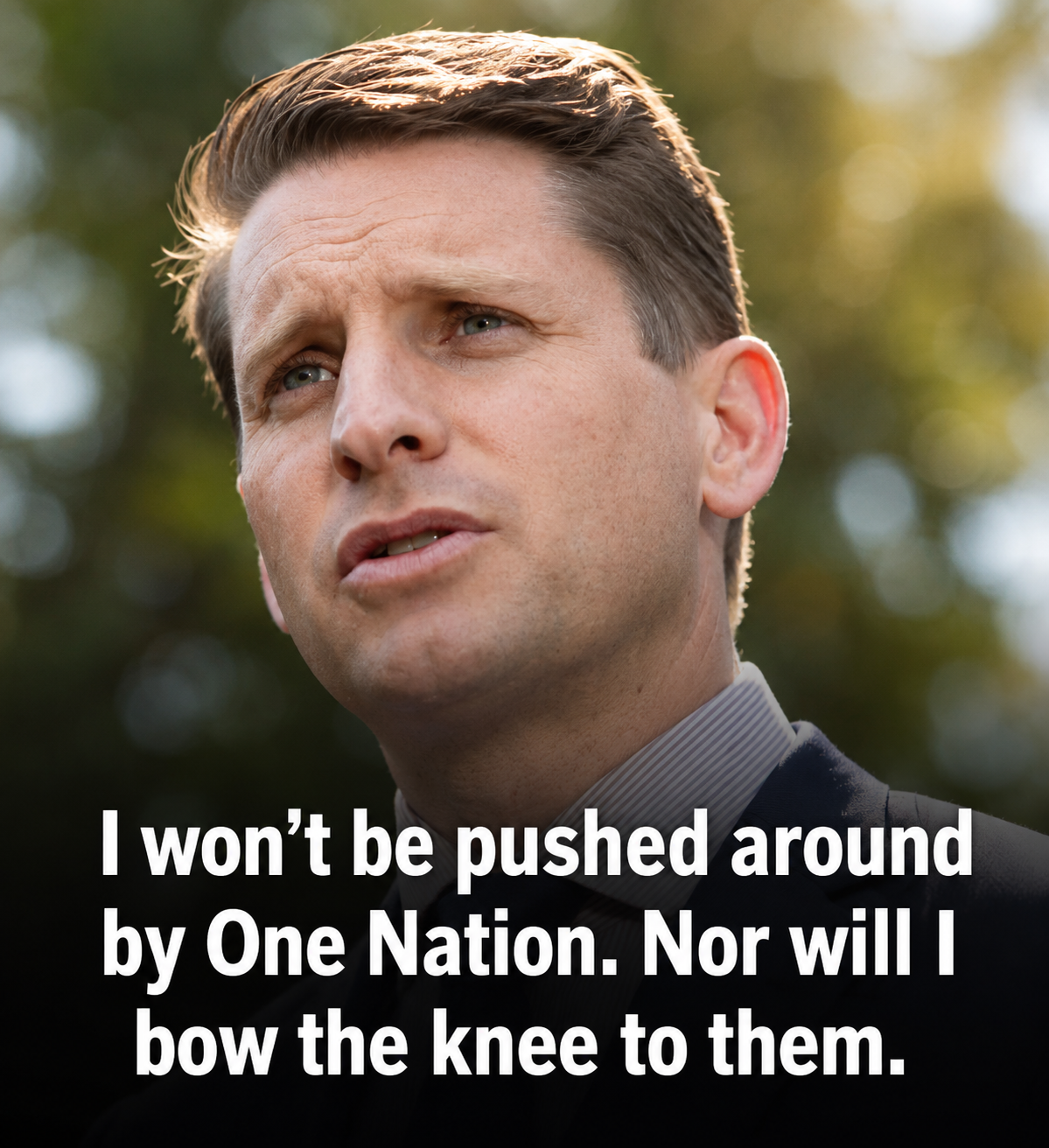
Canning has emerged as a particularly symbolic contest. Andrew Hastie has represented the electorate since 2015 and is widely regarded as one of the Liberal Party’s most prominent figures. At the same time, One Nation believes the electorate offers an opportunity to demonstrate that it can compete directly with the Coalition for conservative votes rather than simply influencing election outcomes through preference flows.
The disagreement has intensified after One Nation indicated it would campaign aggressively in the electorate, while Hastie rejected suggestions that the Liberals should soften their approach toward the party. He argued that conceding political ground to smaller conservative parties would weaken the Liberals’ ability to rebuild after recent electoral setbacks.
One Nation, meanwhile, has continued to position itself as an alternative for voters frustrated by issues such as the cost of living, housing affordability, migration policy and energy costs. The party has sought to build support by arguing that the major parties have failed to respond adequately to these concerns, a message it has repeated across recent election campaigns.
The dispute also reflects wider questions about the future direction of Australia’s conservative politics. Some Liberal figures believe the party should draw a clear distinction between its policies and those of One Nation in order to maintain its identity as a mainstream centre-right party. Others have suggested that closer cooperation could help prevent conservative votes from being split in marginal electorates. Those differing views have become more visible as One Nation’s polling has strengthened in recent months.
Political analysts note that competition between major and minor parties has become an increasingly significant feature of Australian elections. As voters become less likely to remain loyal to a single party over long periods, contests within the broader conservative vote can influence not only individual electorates but also the overall balance of power in Parliament.
For voters in Canning, local issues are expected to remain important throughout the campaign. Cost-of-living pressures, housing, infrastructure, community services and employment are likely to feature alongside national debates over migration, energy policy and economic management. Both parties will be seeking to convince voters that they are better placed to represent those priorities.
The public disagreement has also highlighted the personal nature that modern political campaigns can sometimes take. Andrew Hastie has said criticism directed at him has required additional security measures around his electorate office and home, while One Nation has continued to defend its decision to contest the seat as part of its broader electoral strategy. Neither development changes the central issue facing voters, who will ultimately decide which candidate best represents their interests when they next go to the polls.
Although the language surrounding the dispute has attracted widespread media coverage, the longer-term significance lies in what it reveals about Australia’s evolving political landscape. With support for smaller parties continuing to influence electoral contests across the country, competition between the Liberals and One Nation is likely to remain an important feature of conservative politics well beyond the campaign in Canning.






