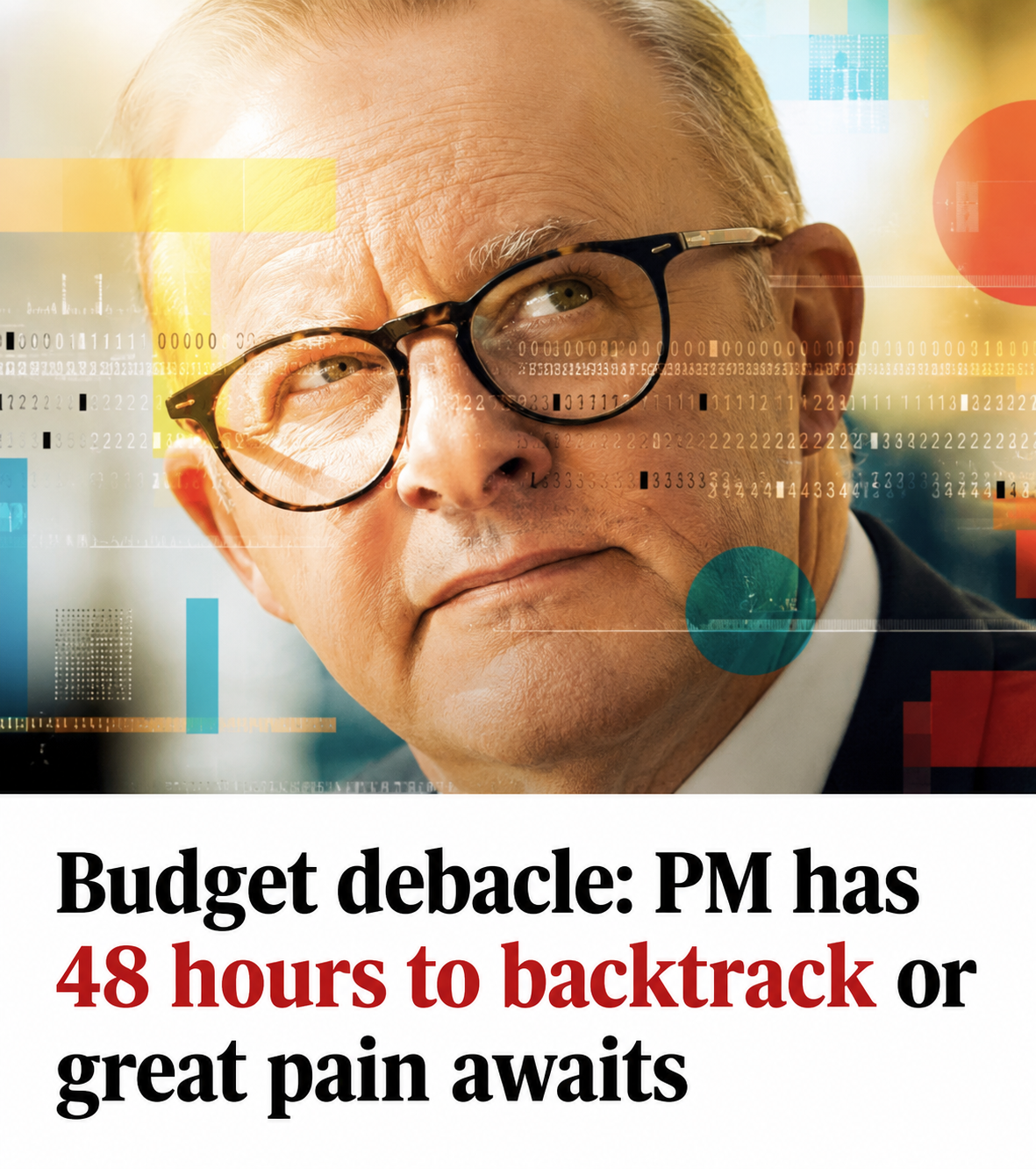
The Albanese government is approaching what many political observers see as an important moment for its economic agenda, with mounting pressure over a budget measure that has generated criticism from sections of the business community, political opponents and some crossbench representatives.
While governments frequently defend controversial reforms during their first weeks after announcing them, the coming days are being viewed as a significant test of whether Labor will maintain its current position or modify elements of the policy in response to growing political pressure.
The debate has become particularly prominent because the measure affects issues that many Australians closely follow, including taxation, investment and long-term economic confidence. Those topics have remained central to public discussion throughout recent budget debates and continue to influence broader perceptions of the government’s economic management.
Political commentators have drawn comparisons with previous moments in Australian politics when complex economic policies became defining challenges for national leaders. Among the most frequently cited examples is former Liberal leader John Hewson’s widely remembered “birthday cake interview” in 1993, when difficulties explaining aspects of the Coalition’s proposed tax reforms became symbolic of a broader political problem rather than the policy itself. Although the historical circumstances differ, the comparison reflects concerns about how governments communicate complicated economic reforms to the public.
At the centre of the current debate is not only the substance of the government’s policy but also the question of political flexibility. Supporters argue that governments should be willing to adjust legislation if consultation identifies unintended consequences or opportunities for improvement. Critics counter that significant changes after strong public defence of a policy can create perceptions of uncertainty and weaken confidence in economic decision-making.
Business organisations, industry groups and tax specialists have closely followed developments because any substantial alteration to investment-related tax settings has the potential to influence business planning, capital allocation and market confidence. Although different groups have reached different conclusions about the likely economic effects, there is broad agreement that certainty remains an important consideration for investors making long-term decisions.
Within Parliament, negotiations over major economic legislation often involve discussions with independent members and smaller parties whose support may be required for legislation to pass. Such negotiations are a routine feature of minority and closely contested parliamentary environments, even when governments hold a clear electoral mandate on other issues.
The debate also illustrates the broader challenge facing modern governments when implementing economic reform. Policies designed to achieve long-term structural objectives frequently impose short-term political costs, particularly when they affect taxation, housing, superannuation or investment. Governments must therefore balance fiscal objectives with maintaining public confidence in both the reforms themselves and the process used to develop them.
For Prime Minister Anthony Albanese, the immediate political question extends beyond the details of any individual budget measure. The government’s response may shape broader perceptions of its willingness to stand by difficult decisions or adapt when concerns are raised by stakeholders. Either approach carries political risks as well as potential advantages depending on how voters interpret the outcome.
Opposition parties have continued to argue that the government’s handling of the issue demonstrates weaknesses in its economic management, while Labor ministers maintain that responsible governments should remain open to consultation as legislation progresses through Parliament. The differing interpretations reflect a familiar pattern in Australian politics, where the same policy adjustment can be portrayed either as pragmatic leadership or as a political retreat.
History suggests that highly visible policy debates can become defining moments not because of the legislation alone, but because of how leaders communicate their decisions under sustained public scrutiny. Whether the current dispute ultimately joins that list will depend less on media comparisons and more on how the government resolves the issue, how Parliament responds and whether Australians believe the final outcome serves the national interest.
With parliamentary negotiations continuing, the coming days are likely to provide greater clarity about both the future of the budget measure and its political consequences. Regardless of the final decision, the episode has already demonstrated how economic policy, political communication and public confidence remain closely connected in Australia’s federal political landscape.






