The father of the youngest victim of the Bondi terror attack has criticised pro-Palestine organisations for what he says was an attempt to divert Australia’s Royal Commission into Antisemitism and Social Cohesion away from its core purpose, arguing the inquiry should remain focused on antisemitism rather than broader debates about the Middle East conflict.
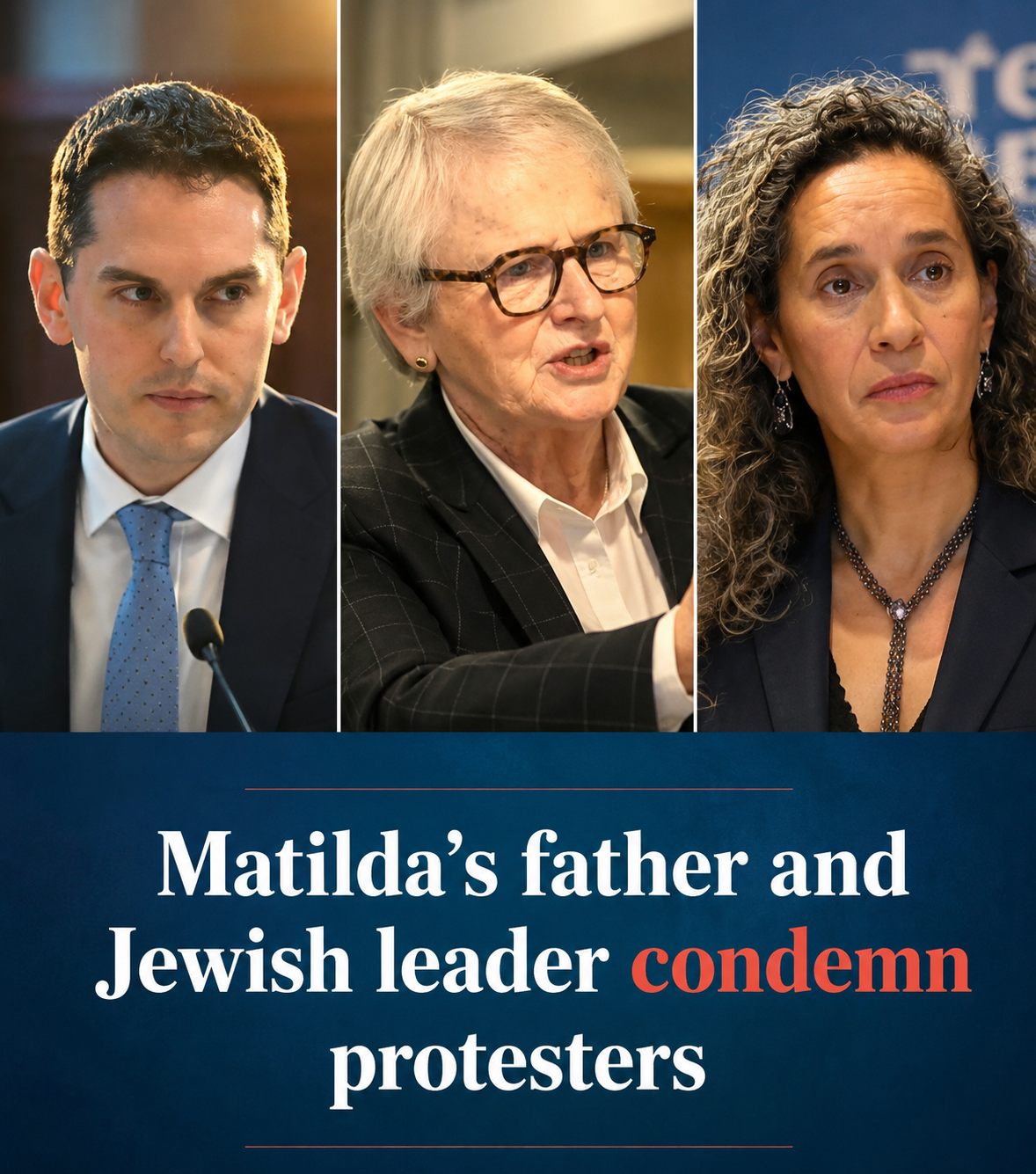
The comments came during one of the Royal Commission’s latest public hearings, which examined antisemitic conduct associated with protests following Hamas’ October 7, 2023 attack on Israel, including the demonstration outside the Sydney Opera House on 9 October 2023.
Matilda Bee’s father, whose 10-year-old daughter was killed in the Bondi terrorist attack in December 2025, expressed frustration that lawyers representing pro-Palestine organisations questioned witnesses extensively about Israel’s military campaign in Gaza instead of concentrating on allegations of antisemitism in Australia.
He argued that organisations accused of contributing to tensions surrounding antisemitic protests “should be answering questions, not asking them,” accusing the groups of attempting to hijack proceedings intended to investigate rising antisemitism and its impact on Australian society.
His criticism was echoed by senior representatives of Australia’s Jewish community, including NSW Jewish Board of Deputies president David Ossip and leaders of the Executive Council of Australian Jewry, who argued the hearing had at times drifted away from its intended focus.
They maintained that the inquiry was established to examine antisemitism in Australia and that extended questioning about Israel’s military actions risked distracting from evidence concerning threats, abuse and intimidation experienced by Jewish Australians.
The hearing centred on events surrounding the Sydney Opera House protest held two days after the Hamas attacks of October 2023, a demonstration that has remained one of the most contentious episodes examined by the Royal Commission.
Jewish community leaders told the inquiry that the protest caused widespread fear within Australia’s Jewish community, pointing to chants and behaviour that they say crossed the line from political protest into antisemitic intimidation.
David Ossip described the event as deeply traumatic for many Jewish Australians, saying the emotional impact extended well beyond those physically present at the protest.
During cross-examination, however, counsel representing the Palestine Action Group (PAG) and the Australia Palestine Advocacy Network (APAN) questioned Ossip about the broader context of the Israel–Gaza conflict, including Palestinian casualties and Israeli military actions before and after the October 2023 attacks.
That line of questioning prompted repeated objections from Jewish representatives, who argued it was largely unrelated to the Royal Commission’s mandate of examining antisemitism and social cohesion within Australia.
At several points, Royal Commissioner Virginia Bell intervened to ensure questioning remained relevant to the matters before the Commission.
However, following public criticism that the proceedings had been “hijacked”, Commissioner Bell rejected that characterisation.
She said the pro-Palestinian organisations had not taken over the hearing and explained that the questions were permitted because they related to issues raised during witness evidence and were consistent with procedural fairness.
Bell also emphasised that the Commission condemned both antisemitic and Islamophobic abuse directed at participants in the inquiry and expected all parties to conduct themselves respectfully.
The Royal Commission on Antisemitism and Social Cohesion was established in January 2026 to examine antisemitism in Australia following a series of high-profile incidents, including the Bondi terrorist attack in December 2025 and broader concerns about community cohesion.
Its terms of reference include investigating antisemitic conduct, examining responses by governments and law enforcement agencies, and identifying measures that could strengthen social cohesion while protecting fundamental democratic rights.
The current hearing block has focused specifically on protests and policing, using demonstrations such as the Sydney Opera House rally and later protests at NSW Parliament as case studies to examine how authorities respond when alleged antisemitic conduct occurs in protest settings.
The Commission has stressed that peaceful protest remains a fundamental democratic right, while also seeking to determine whether improvements can be made to policing and public safety where hateful conduct emerges during demonstrations.
The proceedings have highlighted the broader tension between two competing perspectives that have characterised public debate since the Israel–Hamas conflict intensified.
Jewish organisations argue that some protests have included rhetoric that crosses the line into antisemitism and creates fear within Australia’s Jewish community.
Pro-Palestinian organisations, meanwhile, maintain that criticism of Israeli government policies should not automatically be equated with antisemitism and have defended their right to challenge evidence presented before the Commission through legal representatives.
Outside the hearing room, NSW Premier Chris Minns also criticised the direction taken during parts of the cross-examination, describing the focus on Israel’s military actions as disappointing given the Commission’s role in examining antisemitism in Australia.
At the same time, Commissioner Bell reiterated that allowing witnesses to be tested through questioning is a normal feature of Royal Commission proceedings and does not necessarily indicate endorsement of the issues being raised.
The Bondi attack continues to cast a long shadow over the Commission’s work.
Earlier hearing blocks examined intelligence assessments, counter-terrorism arrangements and security planning before the December 2025 attack, while later hearings have shifted towards issues including online hate, community security and protest activity as the Commission prepares its final recommendations.
For families of those killed in the Bondi attack, including Matilda Bee’s relatives, the inquiry represents an opportunity to understand not only how the attack occurred but also how Australia responds to the social divisions and extremist ideologies that have emerged in its aftermath.
As the Royal Commission continues hearing evidence from community organisations, police, legal representatives and experts, debate is likely to continue over where the boundary lies between legitimate political advocacy and conduct that contributes to hatred, intimidation or antisemitism.






