The investigation into Ben Roberts-Smith has taken another dramatic turn, but this time the spotlight is shifting away from the former SAS soldier himself and toward the people who may have known about his arrest before it happened.
Australia’s corruption watchdog is now examining how journalists appeared to know operational details surrounding Roberts-Smith’s airport arrest before authorities publicly announced the charges.
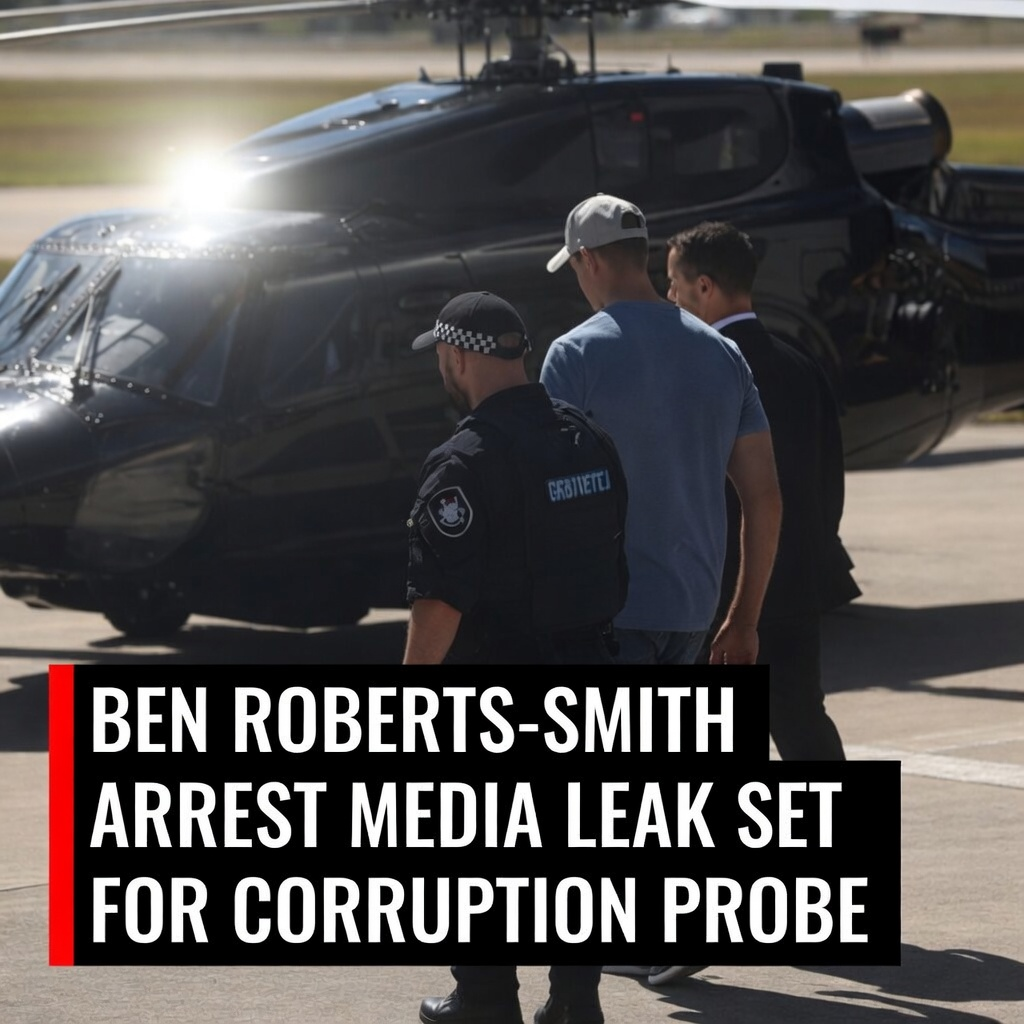
The alleged leaking of operational details surrounding Ben Roberts-Smith’s arrest is intensifying pressure around media access, institutional trust and the handling of Australia’s war crimes investigations.
The issue exploded after Roberts-Smith’s legal team accused officials of allowing sensitive operational information to reach media outlets ahead of the arrest operation at Sydney Airport.
His lawyer described the alleged leak as a serious breach of protocol and integrity, arguing the situation raised major questions about fairness and due process.
That criticism immediately struck a nerve because the arrest itself was already one of the most politically and emotionally divisive events Australia has seen in years.
Roberts-Smith remains one of the country’s most recognisable military figures, celebrated for his service in Afghanistan before becoming the central figure in a sprawling war crimes controversy that has dominated national headlines for years.
Now the focus is widening beyond the charges and toward the institutions handling the case.
That shift matters.
Because once Australians start questioning whether operational information is being leaked selectively to the media, the debate quickly becomes larger than one defendant or one investigation.
It becomes a trust issue.
The airport arrest footage intensified that perception.
Images of Roberts-Smith being escorted through Sydney Airport rapidly spread across television broadcasts and social media shortly after the arrest took place.
For critics, the visibility of media crews at the scene immediately raised obvious questions.
How did journalists know where to be?
Who informed them?
And were standard protocols followed?
Those questions are now sitting at the centre of the corruption probe.
The broader political atmosphere has made the issue even more combustible.
The Roberts-Smith saga has never been treated by the public as a normal criminal case.
For some Australians, the investigation represents accountability and the principle that nobody sits above the law, regardless of military reputation.
For others, the case symbolises something very different.
A belief that decorated veterans are being publicly destroyed through media pressure, political hostility and prolonged institutional targeting.
That emotional divide has existed for years.
The leak allegations are now feeding directly into it.
Because if operational details were improperly disclosed, critics argue it risks reinforcing perceptions that parts of the process have become politicised or media-driven.
Supporters of the investigation strongly reject that interpretation.
They argue scrutiny of military conduct is essential in any democratic society and warn against turning leak allegations into a distraction from the underlying legal process.
Both narratives are now colliding publicly.
The role of the media is also becoming part of the story itself.
High-profile investigations involving national security, defence or political controversy often create intense competition between news organisations for exclusive information.
That pressure can blur the public conversation between legitimate investigative journalism and questions about operational confidentiality.
This is why the current probe matters beyond Roberts-Smith personally.
It touches a larger issue about institutional boundaries.
How closely should investigators interact with the media during sensitive operations?
What constitutes legitimate public-interest reporting?
And at what point does operational leaking begin undermining confidence in due process?
Those are difficult questions for any democracy.
Especially in cases involving military conduct and national reputation.
The timing is significant too.
Australia has spent years confronting difficult questions about alleged war crimes committed during the Afghanistan conflict.
The issue has already divided veterans, politicians, media organisations and sections of the public.
That means every new development now arrives inside an atmosphere of heightened suspicion.
Even relatively procedural disputes quickly become politically loaded.
The corruption investigation itself may ultimately take considerable time.
Authorities are now under pressure to determine whether operational confidentiality was breached, who may have disclosed information and whether protocols surrounding the arrest were properly followed.
But regardless of the outcome, the controversy has already reopened wider concerns about trust inside major national institutions.
Trust in investigators.
Trust in the media.
Trust in legal fairness.
Trust in how politically explosive cases are handled behind the scenes.
That is why this story has grown so quickly.
Australians are no longer only debating the allegations against Roberts-Smith himself.
They are increasingly debating whether the system surrounding the case is operating with the level of transparency, neutrality and professionalism the public expects.
And those questions are unlikely to disappear while the broader war crimes case continues moving through the courts.






