Australian health authorities are urging eligible people to get vaccinated against respiratory syncytial virus (RSV), warning that the country’s winter outbreak is expected to worsen in the coming weeks despite strong early uptake of the national vaccination program.
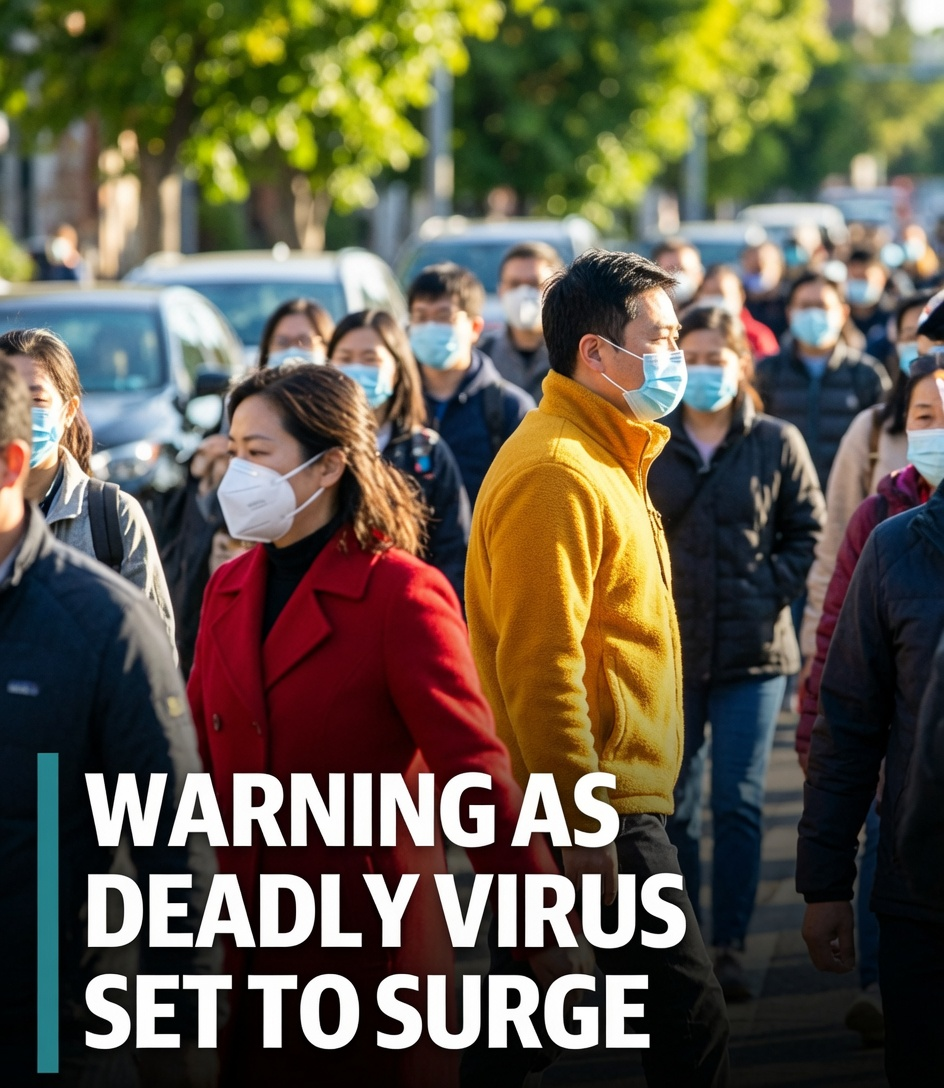
More than 83,000 confirmed RSV infections have already been recorded across Australia this season, and health experts believe total cases could exceed 120,000 before winter comes to an end.
That would make RSV one of the country’s most widespread respiratory illnesses this year, surpassing both influenza and COVID-19, each of which has recorded around 50,000 confirmed cases over the same period, according to figures highlighted by the Australian Medical Association (AMA) and the Immunisation Foundation of Australia (IFA). ([ama.com.au](https://www.ama.com.au/media/ama-encourages-eligible-australians-get-rsv-vaccine?utm_source=chatgpt.com))
Medical experts say the increase is being driven by seasonal transmission patterns, with schools returning after the winter break expected to accelerate the spread of the highly contagious virus among children and, in turn, older family members.
Professor Holly Seale, a public health expert at the University of New South Wales, said the return to classrooms could contribute to another increase in infections.
“Schools have just gone back again this week, and so we may see a shift,” she told 7NEWS.
Although RSV often causes symptoms similar to those of the common cold—including a runny nose, cough, fever and sore throat—it can become significantly more serious for vulnerable groups.
Infants, older adults, pregnant women and people with underlying medical conditions face a much greater risk of developing severe respiratory disease that may require hospital treatment or intensive care.
RSV is one of the leading causes of bronchiolitis and pneumonia in young children worldwide and can also trigger serious complications in elderly Australians whose immune systems naturally become less effective with age. ([health.gov.au](https://www.health.gov.au/topics/respiratory-syncytial-virus-rsv?utm_source=chatgpt.com))
While hospitals have not yet experienced the level of pressure typically associated with the peak of the influenza season, clinicians say they are preparing for increased demand as RSV circulation intensifies.
Health authorities are particularly concerned because RSV spreads easily through respiratory droplets, direct contact and contaminated surfaces, allowing outbreaks to move rapidly through schools, childcare centres and aged care facilities.
Public awareness of RSV has increased substantially over the past two years following the introduction of Australia’s national vaccination strategy.
One of the campaign’s most prominent supporters is Gold Logie-winning actress Georgie Parker, who has encouraged older Australians not to underestimate the virus.
Parker said she had previously assumed RSV primarily affected people much older than herself before learning that the ageing immune system can make adults increasingly susceptible to serious infection.
“Like many Australians, I’d heard of RSV, but I didn’t really understand how serious it could be or what it might mean for adults as we get older,” she said.
Her comments form part of a broader public health campaign encouraging eligible Australians to discuss RSV vaccination with their general practitioner or pharmacist.
The Immunisation Foundation of Australia says community response has been encouraging since the expanded vaccination program began.
According to IFA founder Catherine Hughes, more than 700,000 eligible older Australians received an RSV vaccine during the first two months of the program.
However, she warned that significant gaps in vaccination coverage remain.
“There is still a massive gap in RSV vaccination coverage and an urgent need for older adults to roll up their sleeves,” Hughes said.
Australia has progressively expanded publicly funded RSV immunisation over recent years.
In 2025, free vaccination became available nationally for pregnant women through the National Immunisation Program, helping provide newborn babies with passive immunity during the first months of life.
In May 2026, eligibility was broadened further to include Australians aged 75 years and over, giving one of the highest-risk population groups free access to vaccination. ([health.gov.au](https://www.health.gov.au/our-work/national-immunisation-program?utm_source=chatgpt.com))
AMA President Dr Danielle McMullen said the expanded program arrives at a critical point in the winter respiratory season.
“With so many Australians yet to be protected against RSV, it’s essential that people speak to a healthcare professional about RSV protection. Now is the time to act—winter is far from over,” she said. ([ama.com.au](https://www.ama.com.au/media/ama-encourages-eligible-australians-get-rsv-vaccine?utm_source=chatgpt.com))
Early results from Australia’s infant immunisation program have been particularly encouraging.
Health authorities estimate hospital admissions among babies during the RSV season have fallen by around 70 per cent since nationwide protection measures were introduced in 2024.
Dr McMullen described those early outcomes as evidence that the vaccination strategy is delivering meaningful public health benefits.
“Thousands of families are being spared the trauma of their baby being admitted to hospital and requiring oxygen support or intensive care due to RSV,” she said.
Researchers expect similar benefits could emerge among older Australians as vaccination coverage increases.
Older adults are significantly more likely to experience complications from RSV because ageing weakens the immune system’s ability to respond effectively to respiratory infections.
For many seniors, RSV may also worsen chronic conditions such as heart disease, chronic obstructive pulmonary disease (COPD) and asthma, increasing the likelihood of hospitalisation.
Unlike influenza and COVID-19, RSV has historically received relatively little public attention despite causing substantial seasonal illness.
For decades there was no approved vaccine available, leaving infection prevention largely dependent on hygiene measures and supportive medical care.
Recent advances in vaccine development have transformed that landscape, with several RSV vaccines now approved internationally following large clinical trials demonstrating strong protection against severe disease in older adults and infants through maternal immunisation. ([therapeuticgoods.gov.au](https://www.tga.gov.au/products/prescription-medicines/respiratory-syncytial-virus-rsv-vaccines?utm_source=chatgpt.com))
Health experts continue to recommend practical measures alongside vaccination to reduce transmission.
People experiencing cold-like symptoms are encouraged to stay home where possible, practise regular hand hygiene, cover coughs and sneezes and avoid close contact with vulnerable family members, particularly newborn babies and elderly relatives.
Medical attention should be sought promptly if infants develop difficulty breathing, persistent wheezing, poor feeding or signs of dehydration, while older adults should seek assessment if respiratory symptoms rapidly worsen.
As Australia moves into the latter part of winter, health authorities believe vaccination remains the most effective way to reduce the risk of severe RSV illness among those most likely to experience serious complications.
Although the country has already recorded tens of thousands of infections this season, experts emphasise that the anticipated late-winter surge means there is still time for eligible Australians to gain protection before the virus reaches its expected peak.