Australia’s housing market has recorded its largest monthly decline in home values since late 2022, providing the clearest indication yet of how recent policy changes and broader economic conditions are influencing buyer and investor behaviour.
Fresh June housing data showed national dwelling values fell during the month, with Sydney and Melbourne experiencing the sharpest declines among the capital cities. The figures represent the first full month since the Albanese Government announced significant reforms affecting property investors, making them an important indicator of how the market is responding.
Analysts say the slowdown cannot be attributed to a single factor. Instead, it reflects a combination of higher borrowing costs, weaker consumer confidence, ongoing cost-of-living pressures and changes to investment incentives that have reduced demand in parts of the market.
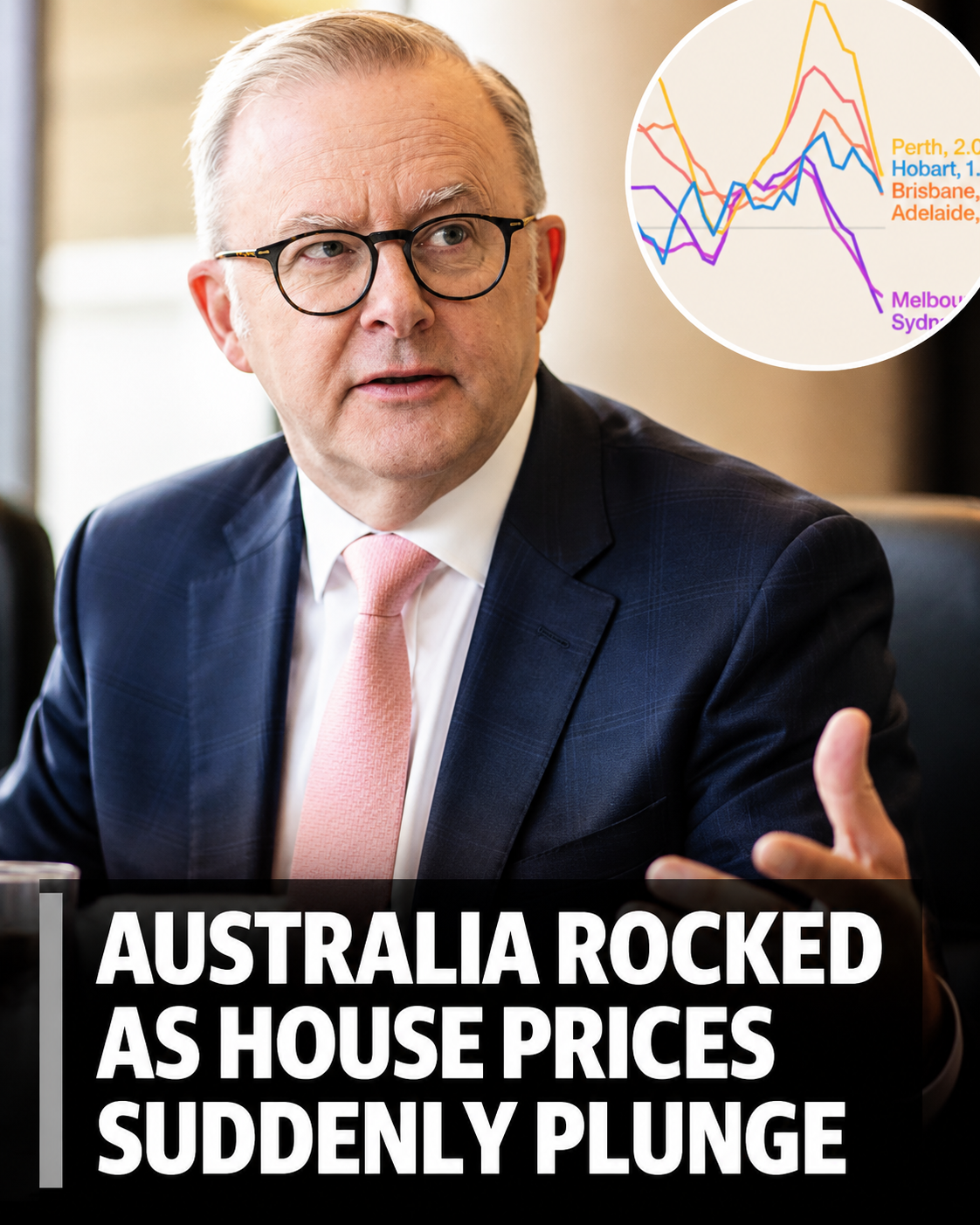
According to recent housing market data, national home values declined by around 0.4 per cent during June, marking the steepest monthly fall since December 2022. Sydney recorded one of the largest drops, while Melbourne also continued its downward trend after several months of softer conditions.
The latest figures arrive after the federal government introduced major housing tax reforms designed to improve affordability over the longer term. The changes include adjustments affecting investment property taxation, with the government arguing the measures are intended to reduce speculative demand while improving opportunities for first-home buyers.
While supporters of the reforms believe a moderation in prices could make housing more accessible, some economists caution that reduced investor activity may also discourage new housing supply if developers become less confident about future demand.
The cooling market is also reflected in auction results and lending activity. Clearance rates have softened in many cities, mortgage applications have eased and properties are generally spending longer on the market compared with earlier in the year. Buyers are becoming more selective, while some sellers are adjusting price expectations to attract offers.
Despite the recent decline, Australia’s property market remains well above pre-pandemic levels. Many homeowners who purchased several years ago continue to hold significant capital gains, and the overwhelming majority of resales are still generating profits.
Regional markets have generally shown greater resilience than some major capitals, although growth has also slowed in several previously strong-performing areas. Perth and Brisbane remain among the better-performing markets over the past year, but momentum has moderated as financing conditions have tightened.
Housing affordability remains one of Australia’s most closely watched economic issues. Rising mortgage repayments, elevated rents and limited housing supply continue to place pressure on households, while governments at both federal and state levels pursue policies aimed at increasing new housing construction.
Looking ahead, economists expect market conditions will continue to depend on several factors, including interest rate decisions, employment conditions, population growth and the effectiveness of government housing policies. Most analysts anticipate further moderation rather than a sharp nationwide correction, although conditions are expected to vary significantly between cities and regions.