Prime Minister Anthony Albanese has apologised after a remark he made during a radio appearance years before entering the nation’s highest political office resurfaced and drew criticism from advocacy groups and political commentators.
The renewed controversy centres on comments Albanese made during a light-hearted radio segment in which he was asked a series of hypothetical personal questions. One of his responses referred to Australian singer Kylie Minogue using language that some critics have described as inappropriate, particularly in light of his current position as Prime Minister.
After the remarks received renewed public attention, Albanese acknowledged they were poorly chosen and apologised for the language he used. He said the comments did not reflect how he would speak today and accepted that they had caused offence to some members of the community.
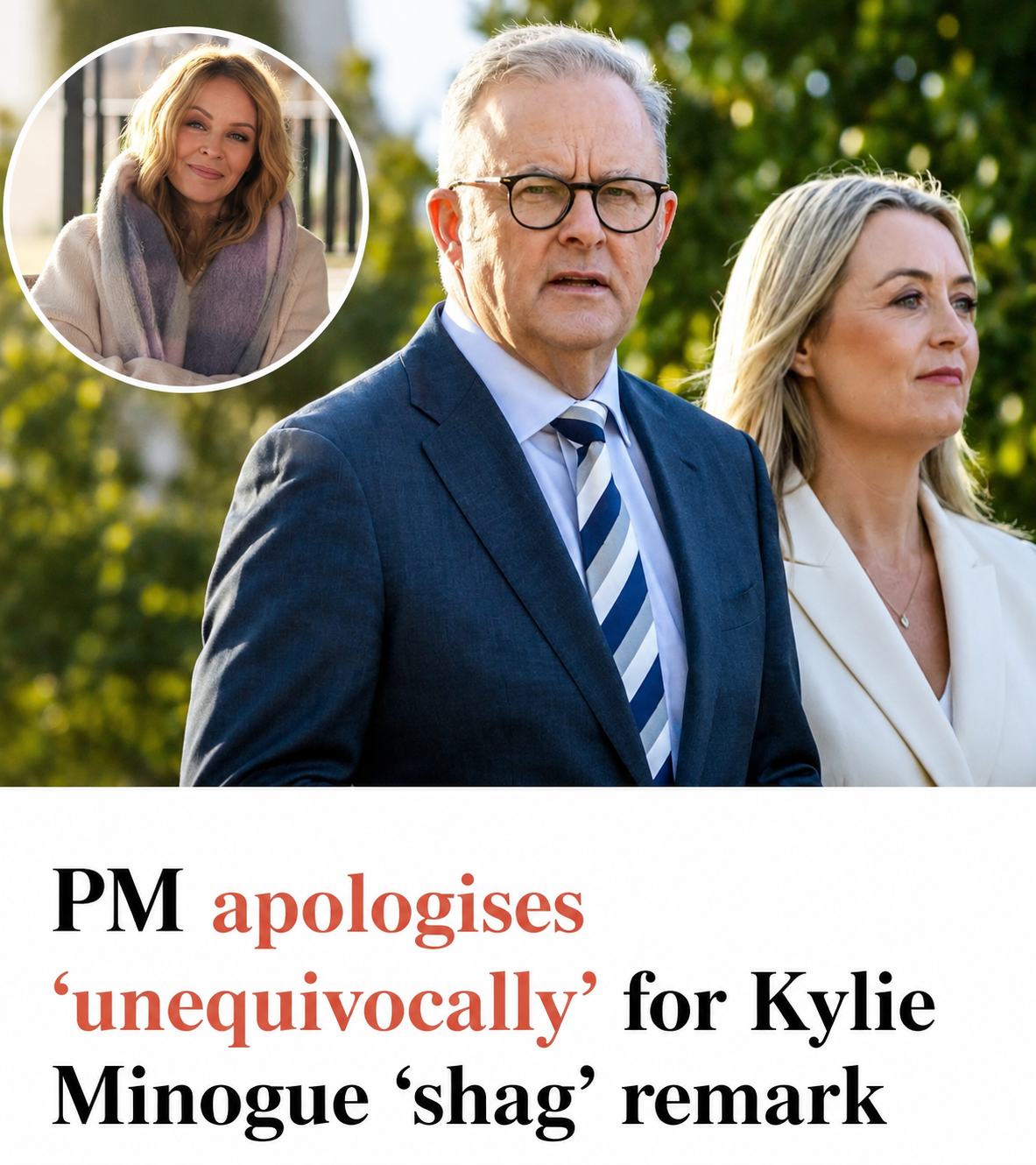
The Prime Minister explained that the interview took place many years ago in a different context and was intended as informal entertainment rather than a statement of policy or public position. Nevertheless, he said public figures should accept responsibility for past remarks when they fall short of current expectations.
The incident prompted criticism from several commentators and advocacy groups, who argued that language used by senior political leaders carries particular significance because it can influence public standards and expectations. Some said elected representatives should demonstrate respect in the way they speak about others, regardless of whether comments were originally made in a casual setting.
Others argued that the remarks should be viewed within the context in which they were made and noted that interviews conducted many years ago often reflected a different broadcasting culture and different community expectations. They cautioned against judging historical comments without considering the broader social environment of the time.
The episode reflects a broader trend in Australian and international politics, where archived interviews, social media posts and media appearances are increasingly re-examined after public figures assume higher office. Advances in digital media have made historical material easier to access, often bringing past statements back into contemporary political debate.
Political analysts note that controversies involving historical comments can become significant because they raise broader questions about leadership, accountability and public trust rather than the original remarks alone. How political leaders respond—through explanation, apology or clarification—often shapes public reaction as much as the comments themselves.
The matter has also highlighted changing social expectations regarding public language and respectful communication. Expressions that may once have attracted little attention are now more likely to be scrutinised, particularly when used by people occupying prominent public positions.
While the controversy generated several days of political discussion, it has not affected government policy or parliamentary business. The episode nevertheless serves as another reminder that political leaders remain accountable for both current statements and comments made earlier in their public careers as community standards continue to evolve.






