Questions surrounding federal Communications Minister Anika Wells’ use of parliamentary travel entitlements have resurfaced, with political opponents and commentators renewing calls for greater accountability while the government maintains the matter has been addressed through existing oversight processes.
Recent commentary from broadcaster 2GB and Coalition figures has revived debate over Wells’ travel expenses, arguing that the minister’s spending has become symbolic of broader concerns about the use of taxpayer-funded entitlements during a period of cost-of-living pressure.
However, the controversy also comes with important context.
An audit conducted by the Independent Parliamentary Expenses Authority (IPEA) examined Wells’ travel claims covering several years. The watchdog identified four claims that did not comply with the parliamentary expenses framework, resulting in Wells repaying more than $10,000, including the required penalty loading.
According to Wells, the incorrect claims were mistakes rather than deliberate misconduct. She apologised publicly, accepted the audit findings and repaid the required amount. The audit also stated that it did not find evidence of misconduct or ethical breaches, although it concluded that several claims were not permitted under the rules.
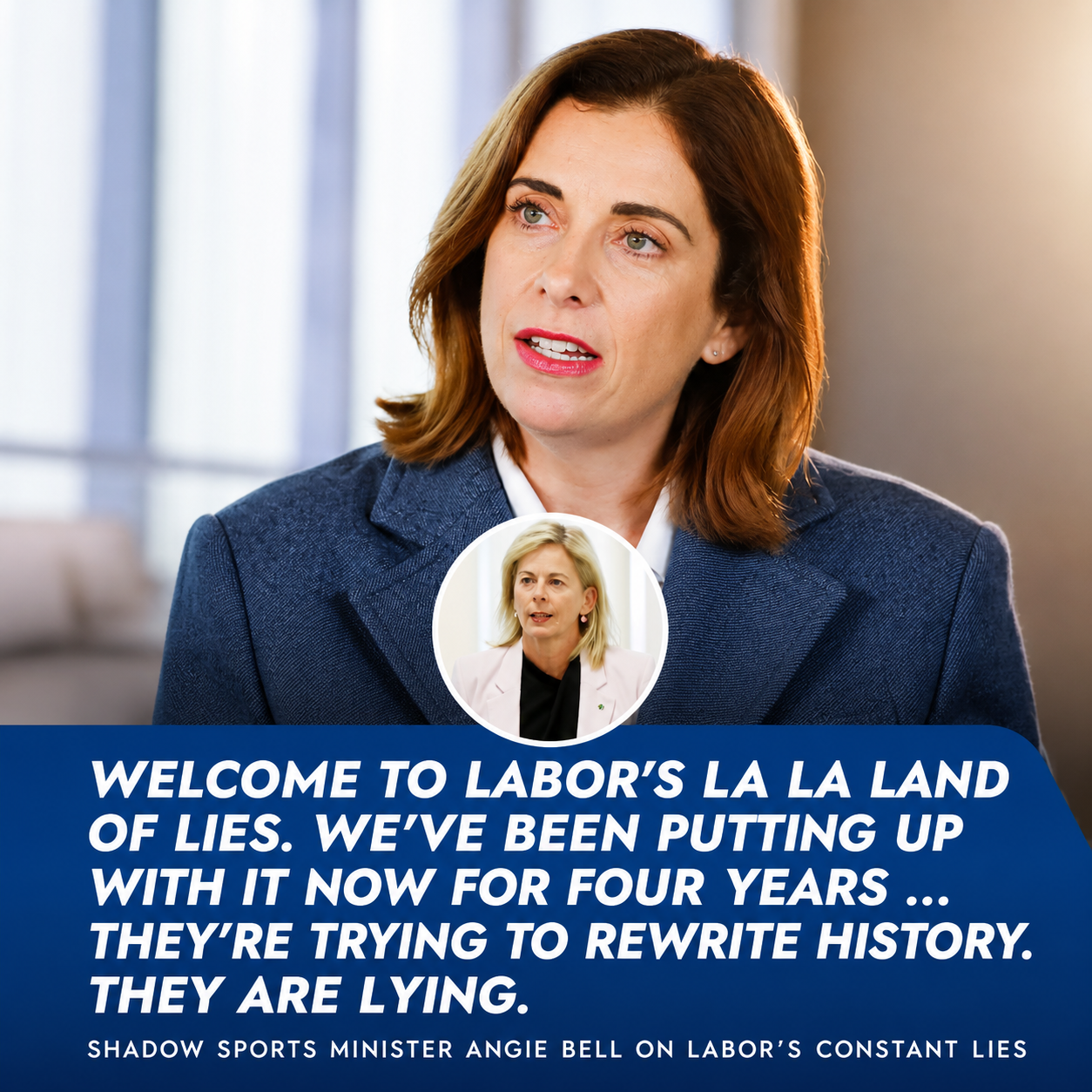
Despite those repayments, political criticism has continued.
Opposition politicians argue that the issue extends beyond technical compliance and reflects broader questions about judgement, particularly at a time when many Australian households remain under financial pressure. Several Coalition representatives have called on Prime Minister Anthony Albanese to take stronger action, while radio commentators have questioned whether some taxpayer-funded travel represented value for money.
Particular attention has focused on the use of Commonwealth vehicles for relatively short trips in Canberra, with published expense records showing some journeys costing several hundred dollars because of waiting times. Critics contend those costs are difficult to justify, while supporters note that ministerial transport arrangements are governed by established administrative processes and security considerations.
The controversy follows months of scrutiny over Wells’ official travel, including overseas trips, family reunion travel entitlements and attendance at major sporting events connected with official duties. The attention eventually prompted Wells to refer aspects of her expenses for independent review.
Prime Minister Anthony Albanese has continued to back the minister, saying Wells followed the required process by cooperating with the audit, repaying the identified amounts and apologising for the mistakes. The government has argued that the independent review demonstrates the accountability mechanisms are functioning as intended.
At the same time, the broader political debate has contributed to changes in parliamentary travel rules. Following public scrutiny of travel entitlements across multiple politicians, the government announced tighter restrictions on some categories of taxpayer-funded family travel for federal parliamentarians.
While the immediate financial issues identified by the audit have been resolved through repayment, the political discussion is unlikely to disappear quickly. For critics, the controversy raises ongoing questions about ministerial judgement and public confidence. For the government, the case illustrates the role of independent oversight and the importance of correcting mistakes when they are identified.
As Parliament continues to debate standards of accountability, the issue remains part of a wider conversation about how elected representatives should balance legitimate official travel with community expectations for responsible use of public funds.






