Opposition Leader Angus Taylor has demanded Anthony Albanese call an early election, accusing the Prime Minister of betraying Australians through controversial budget tax measures that have triggered growing political backlash.
The attack comes as debate intensifies over proposed changes involving tax concessions, housing investment and broader budget reforms.
Taylor argues Australians were not given a mandate for the changes.
Labor insists the reforms are necessary.
But the political danger for the government may now extend far beyond the details of the tax package itself.
Because the biggest issue emerging from the fight is no longer simply about tax.
It is about trust.
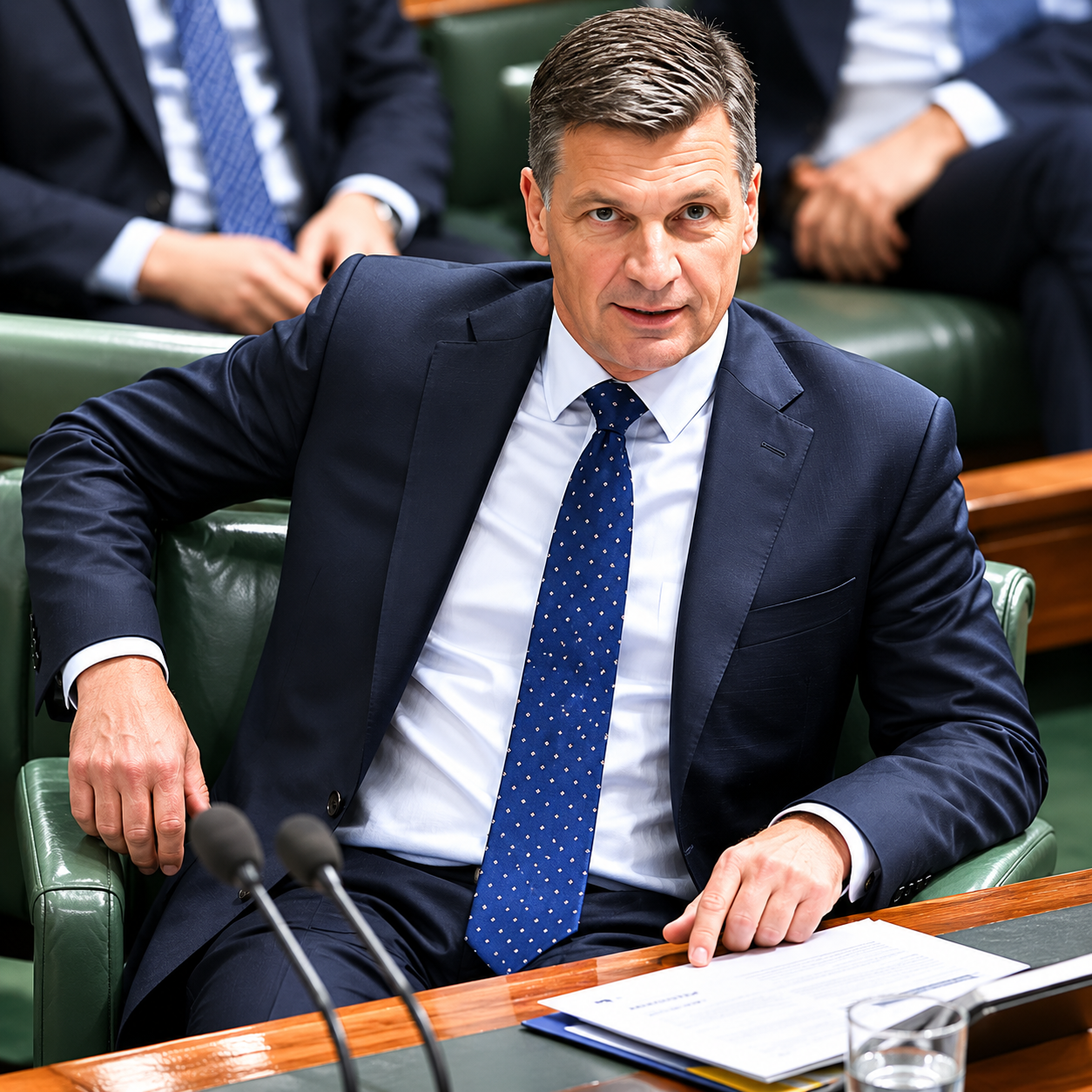
Angus Taylor’s call for an early election has intensified political pressure on the Albanese government and reignited debate about tax policy, voter trust and political accountability.
Taylor accused the government of imposing what he described as toxic tax measures after Labor’s budget proposals sparked fierce national discussion.
The Coalition argues the government is moving ahead with significant changes that Australians were never clearly promised before the election.
That accusation sits at the centre of the political strategy now unfolding.
Because claims of broken promises often resonate far more strongly than technical policy arguments.
Most voters do not spend their time analysing tax legislation.
They judge governments through something much simpler.
Whether they feel they were told the truth.
That is why trust becomes such a powerful political force.
Once trust enters the debate, the conversation changes.
The issue stops being only about numbers.
It becomes about credibility.
Recent budget measures involving capital gains tax changes, negative gearing reforms and housing-related tax adjustments have generated intense political conflict across Canberra.
Supporters argue the reforms are designed to improve fairness and address long-term housing pressures.
Critics argue they risk damaging investment confidence and increasing uncertainty throughout the property market.
That disagreement has created fertile ground for the Opposition.
Taylor’s demand for an election is not only about stopping the reforms.
It is about framing the reforms as evidence of a larger pattern.
A pattern of promises changing after votes have already been cast.
Whether voters accept that argument remains unclear.
But politically, it can be powerful.
Because many Australians are already dealing with cost-of-living pressure, housing affordability concerns and economic uncertainty.
During periods like that, trust becomes even more important.
People want confidence that governments are acting predictably.
They want confidence that major policy shifts are being explained clearly.
And they want confidence that future costs will not suddenly appear after commitments have already been made.
That is where the current political fight becomes much larger than tax policy.
It becomes a debate about whether voters believe they are receiving the full story.
That concern is not unique to one issue.
Questions about transparency have increasingly appeared across debates involving housing, migration, energy policy and government spending.
The tax argument is now connecting directly into those broader frustrations.
That is why the Coalition continues focusing heavily on trust rather than technical tax details.
Trust is easier to understand.
Trust is emotional.
Trust affects every policy debate at once.
If voters begin questioning credibility, every future announcement becomes harder to sell.
That is the political risk facing Labor.
The government argues the reforms are necessary for long-term economic sustainability and housing outcomes.
Supporters point to modelling suggesting many younger Australians could benefit from parts of the broader reform package.
Critics focus on a different concern.
They argue voters were not prepared for the scale of the changes now being proposed.
That disagreement is unlikely to disappear soon.
The measures are expected to face intense scrutiny as they move through parliamentary processes and public debate.
That scrutiny arrives at a difficult time politically.
Polling volatility, growing support for minor parties and rising voter frustration are already creating pressure across the political landscape.
When trust begins weakening, political consequences can become unpredictable.
Voters do not always move directly to the opposition.
Sometimes they move to independents.
Sometimes they move to protest parties.
Sometimes they simply disengage altogether.
That reality helps explain why trust is often more dangerous than policy disagreement itself.
Governments can survive criticism.
Governments can survive unpopular decisions.
What becomes much harder to survive is the perception that voters were not treated honestly.
That is the battlefield Angus Taylor is trying to create.
Not a debate over tax percentages.
Not a debate over Treasury modelling.
A debate over credibility.
And that may ultimately determine whether this political fight grows into something much larger.
Because once voters begin asking whether they can trust future promises, every government decision starts being viewed through a different lens.
The question stops being whether a policy is good or bad.
The question becomes whether people believe what they are being told about it.
That is where political damage often becomes hardest to contain.
And it may be the real reason this tax battle is attracting so much attention across Australia.






