An American woman living in Ireland has been found dead at her home in County Kerry, with Irish police investigating the death as a homicide after a man known to the victim reportedly left the country for Turkey hours before her body was discovered.
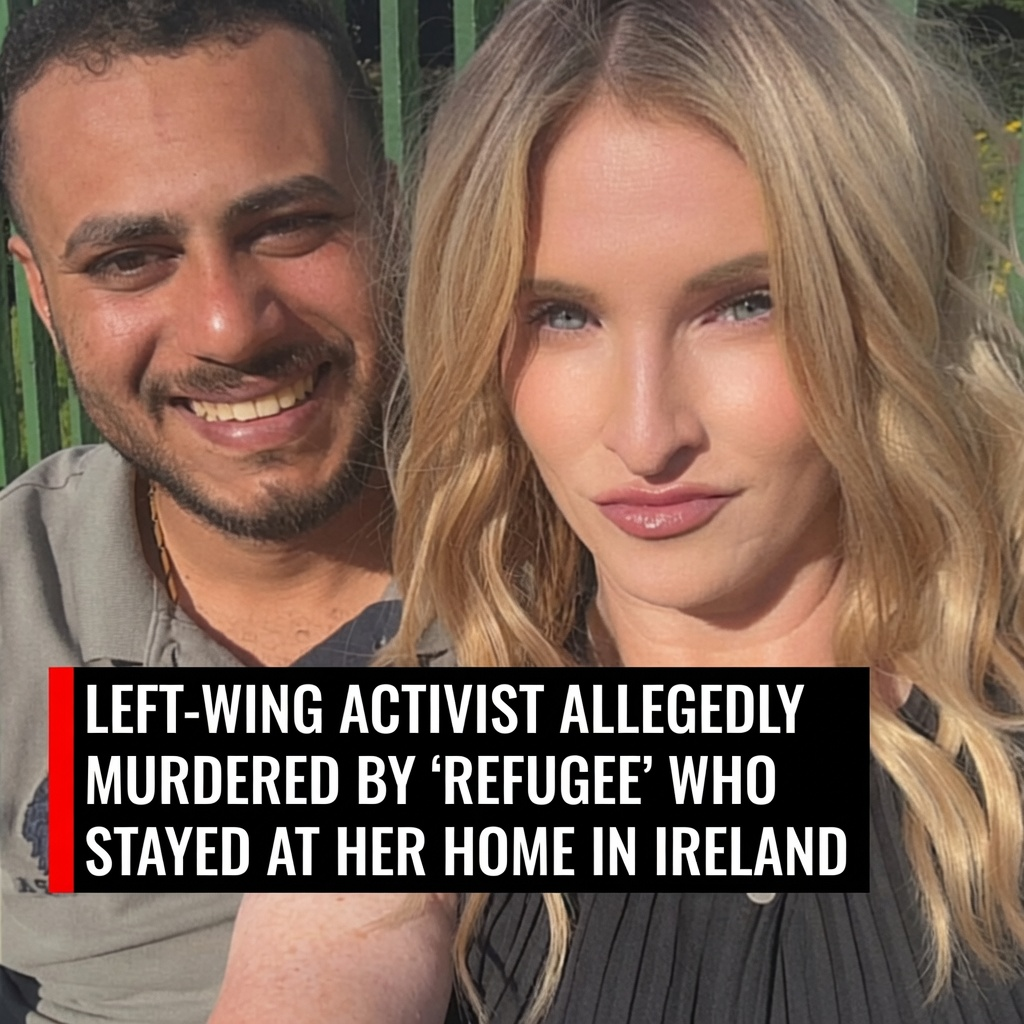
Jamey Carney, 43, was found dead at her home in Killarney on Tuesday after her 13-year-old daughter returned to the property. Gardaí, Ireland’s national police service, have since launched a major murder investigation while working with international authorities to locate a 28-year-old man who had been living in Ireland while his asylum application was being processed.
Authorities have not publicly identified the suspect, nor disclosed his nationality or released photographs. Gardaí have confirmed only that the man had been residing in Ireland since 2024 and was accommodated within the state’s International Protection Accommodation Service (IPAS).
According to multiple Irish media reports citing police sources, investigators believe the suspect travelled by bus to Dublin before boarding a flight to Istanbul, Turkey, shortly before Ms Carney’s body was discovered.
As of publication, no criminal conviction has been recorded, and investigators have not publicly outlined the evidence supporting any potential charges. The investigation remains ongoing.
Irish media have reported that Ms Carney and the man had known each other for approximately 18 months. Police sources quoted by local newspapers said they are believed to have first met at a pro-Palestinian demonstration before maintaining contact over the following months.
Investigators also believe the man had previously stayed at Ms Carney’s residence on multiple occasions. That detail could complicate forensic analysis because his DNA may legitimately be present inside the home, requiring detectives to distinguish between earlier lawful visits and evidence connected to the alleged offence.
Neighbours reportedly told investigators they heard a loud argument from the property on the evening before Ms Carney’s body was found, although police have not publicly confirmed those accounts.
Initial reports suggested the victim may have suffered fatal head injuries after she was found beneath a duvet with significant trauma. However, post-mortem findings later indicated that suffocation was the cause of death, according to Irish media.
The exact sequence of events leading to her death has not been released publicly, and investigators have not disclosed whether they believe other individuals were involved.
One issue now facing authorities is whether the suspect can ultimately be returned to Ireland should he be located overseas. Extradition proceedings between countries are often legally complex and require formal criminal charges as well as judicial approval before a transfer can proceed.
Police are continuing to gather evidence while working alongside international agencies to determine the man’s whereabouts.
Ms Carney’s social media accounts indicate she had been active in progressive political causes, including support for Palestine. Her online profiles featured photographs from demonstrations as well as posts expressing criticism of United States immigration enforcement.
Some publicly available posts also appeared to feature a Middle Eastern man. Several Irish media outlets have reported that investigators are examining the nature of their relationship as part of the homicide inquiry. However, authorities have not officially commented on those reports.
The victim had relocated from the United States to Ireland after tracing her Irish family heritage, according to relatives.
Her cousin, Ryan Fox, paid tribute to Ms Carney while urging the public not to use the tragedy to promote hatred or prejudice against migrants or any ethnic community.
“She was taken from the people that love her,” he said in comments reported by Irish broadcaster RTÉ, adding that no one deserved such a fate.
He also appealed for people not to exploit the case to spread racism or bigotry, saying the family’s focus remained on remembering Ms Carney and supporting her loved ones.
The case has nevertheless sparked broader political debate in Ireland.
Some politicians have focused on the country’s continuing concerns over violence against women, arguing the killing highlights the need for stronger protections for victims of domestic and gender-based violence.
Labour Party leader Ivana Bacik told Ireland’s parliament that fatal violence against women continued to represent a serious national issue, calling for greater government investment in prevention measures and support services.
Others have questioned whether the case may renew scrutiny of Ireland’s asylum system, particularly regarding the supervision and accommodation of applicants whose claims are still being processed.
Ireland has experienced significant political debate over immigration in recent years as applications for international protection have risen sharply. The expansion of IPAS accommodation has become controversial in some communities, with protests occurring in several parts of the country over housing capacity, public services and government policy.
Successive Irish governments have maintained that people seeking asylum are entitled to accommodation while their claims are assessed under Irish and international law. Officials have also stressed that criminal responsibility rests with individuals rather than entire communities.
Legal experts note that it would be inappropriate to draw wider conclusions about asylum seekers generally from an individual criminal investigation, particularly while no conviction has been secured.
The homicide investigation continues as Gardaí seek to establish a complete timeline of Ms Carney’s final hours, gather forensic evidence and determine whether formal charges can be brought against the man they wish to question.
Authorities have urged anyone with information relevant to the investigation to contact police as international efforts continue to locate the suspect.






