Prime Minister Anthony Albanese has defended the federal government’s decision to provide $10 million for maternity upgrades at Royal Darwin Hospital after facing repeated questions from Northern Territory reporters over why the funding arrived more than a year after it was first requested and why Canberra committed less than one-third of the amount sought by the NT Government.
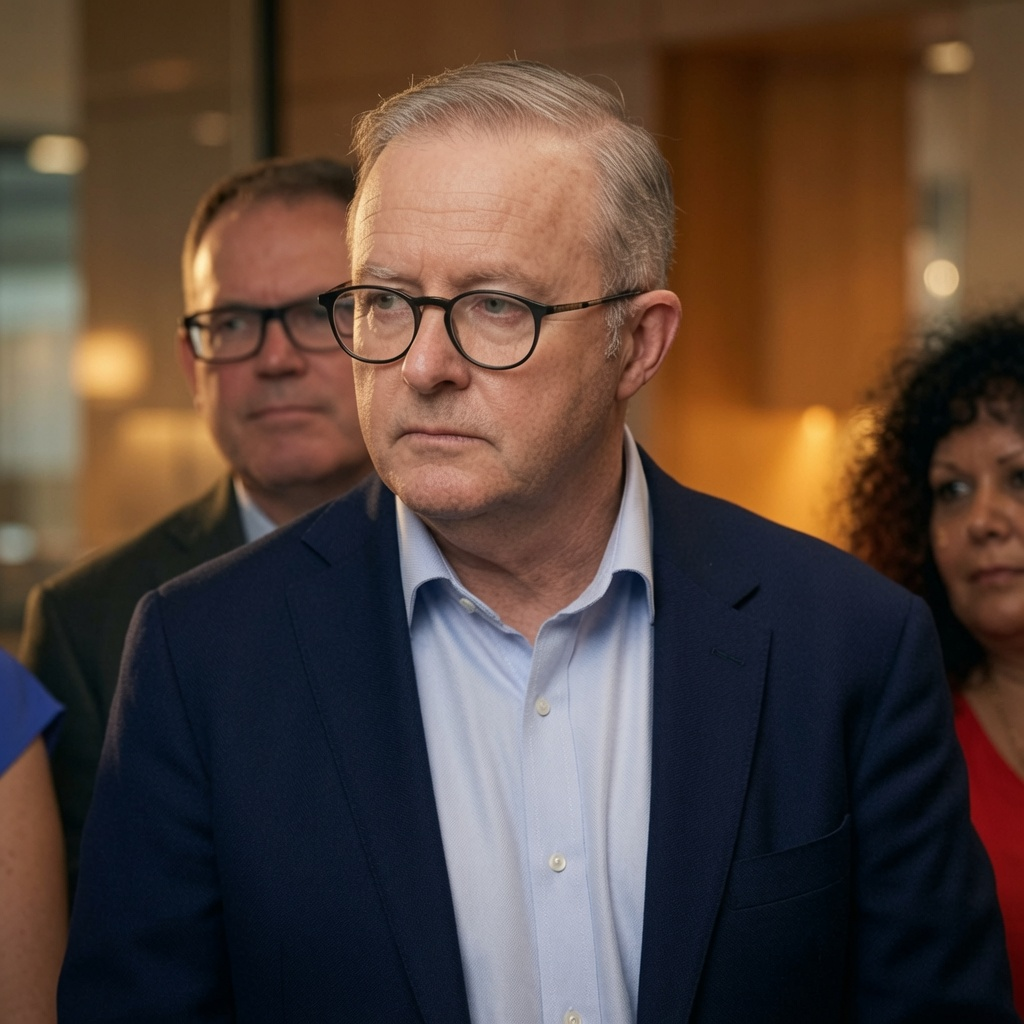
The tense exchange unfolded during a press conference in Darwin on Monday, where Mr Albanese announced a federal contribution to refurbish the hospital’s ageing maternity facilities. The funding is intended to improve birthing suites, maternity wards and neonatal services while increasing capacity at the Territory’s busiest public hospital.
However, the announcement quickly shifted from a funding celebration to an extended discussion about the broader state of health infrastructure in the Northern Territory.
Reporters questioned why the Commonwealth had taken more than 12 months to respond after the Territory Government sought $35 million in May 2025 to modernise maternity services at Royal Darwin Hospital.
Mr Albanese rejected suggestions the funding had been delayed.
“Why the delay? It’s a very strange question,” the Prime Minister said, arguing the announcement represented additional federal investment on top of wider hospital funding negotiated through National Cabinet.
When asked why only $10 million had been allocated instead of the requested $35 million, Mr Albanese maintained the amount would deliver the intended improvements.
“They’re happy with $10 million… This is enough,” he said, before pointing to what he described as record increases in Commonwealth hospital funding for the Northern Territory.
The questioning continued as journalists highlighted the Territory’s growing healthcare pressures, noting that demand for services had risen alongside ageing infrastructure.
Mr Albanese responded that hospital funding had increased by around 30 per cent year-on-year, describing that level of growth as substantial and evidence of the Commonwealth’s commitment to Territory health services.
One reporter described Royal Darwin Hospital as “literally falling apart” and asked whether the federal government would help fund a completely new hospital for Darwin.
The Prime Minister declined to be drawn into that discussion, repeatedly saying he was in Darwin specifically to announce the maternity funding package rather than discuss future hospital construction.
The announcement comes at a time when Royal Darwin Hospital has been under increasing pressure following the closure of Darwin Private Hospital’s maternity service in 2025.
With the Territory losing its only private maternity provider, Royal Darwin Hospital became the sole birthing facility for many expectant mothers, significantly increasing demand for public maternity services. Federal estimates indicate approximately 250 additional babies each year are now expected to be delivered through the public hospital.
The $10 million package will fund upgrades including refurbished birthing suites, expanded maternity ward capacity, improved neonatal intensive care facilities, additional family spaces and enhanced support areas for mothers and newborns.
Plans also include private bathrooms for birthing suites, upgraded assessment areas, dedicated bereavement facilities and improved lactation support within the neonatal intensive care unit.
The Commonwealth says the project will improve both patient experience and operational capacity while helping staff manage the increased number of births now occurring at Royal Darwin Hospital.
Construction is expected to be completed by 2027.
Although the announcement was welcomed by Territory leaders, it also revived debate over whether the funding is sufficient to address long-term healthcare challenges.
The Northern Territory Government originally requested $35 million to allow maternity services to be fully consolidated within Royal Darwin Hospital.
At the time, former NT Health chief executive Chris Hosking acknowledged that receiving the full amount would have enabled comprehensive redevelopment of maternity facilities.
He also warned that a significantly smaller contribution would still improve patient experience but would not deliver the complete redevelopment originally envisioned.
Health officials have previously indicated they continued lobbying Canberra for a larger funding package while recognising negotiations with the Commonwealth would determine the final amount available.
The latest announcement ultimately reflects that compromise.
The funding debate also highlights wider concerns surrounding health infrastructure across the Northern Territory.
Royal Darwin Hospital first opened almost five decades ago and has repeatedly faced criticism over ageing buildings, growing patient demand and capacity constraints.
Doctors, health advocates and community groups have argued that infrastructure upgrades alone will not resolve broader workforce shortages and increasing demand driven by population growth and the Territory’s unique geographic challenges.
Recent public debate has also focused on emergency department pressures, bed availability and recruitment difficulties affecting healthcare delivery across the region.
Despite those concerns, the Commonwealth maintains the latest investment forms part of a broader package of record health funding provided to states and territories through the National Cabinet agreement.
Federal ministers argue the maternity upgrades represent targeted investment that will immediately benefit Territory families while complementing wider hospital funding already flowing to the Northern Territory.
The project has also received support from local advocates who campaigned for improved maternity facilities after private birthing services ceased operating.
Speaking during the announcement, Mr Albanese thanked community members and healthcare workers who had pushed for the improvements, saying the upgraded facilities would provide Territory women with better maternity care closer to home.
Northern Territory Health Minister Steve Edgington likewise welcomed the funding, describing it as an important contribution that would improve care for mothers and babies while working alongside other hospital expansion projects already underway.
He noted that additional hospital beds are scheduled to come online later this year, helping strengthen Royal Darwin Hospital’s overall capacity.
Nevertheless, questions remain about whether further Commonwealth investment will eventually be required.
The Prime Minister repeatedly declined to speculate on future funding for an entirely new hospital, instead insisting Monday’s announcement should remain focused on maternity services.
That response is unlikely to end discussion, particularly as Territory leaders continue planning for long-term health infrastructure capable of serving one of Australia’s fastest-changing and most geographically dispersed populations.
The political exchange also illustrates the balancing act facing both federal and Territory governments.
While Canberra points to record overall health spending, local leaders and health professionals continue arguing that the Northern Territory’s unique circumstances—including vast distances, remote Indigenous communities, workforce shortages and higher rates of complex health conditions—require sustained investment beyond standard funding formulas.
For Territory families, however, the immediate impact of Monday’s announcement is more tangible.
Once completed, the redevelopment is expected to provide larger and more modern maternity facilities, improved privacy for new mothers, better accommodation for families and upgraded neonatal services designed to support the growing number of births now taking place at Royal Darwin Hospital.
Whether the $10 million investment ultimately proves sufficient—or becomes only the first step towards much larger health infrastructure commitments—will remain a significant question as pressure on Darwin’s public health system continues to grow.






