Labor’s escalating battle with Pauline Hanson and One Nation has entered a new phase, with senior government figures now targeting the party’s relationship with mining billionaire Gina Rinehart as political tensions continue to rise.
What began as a disagreement over housing policy, migration and taxation has evolved into a much more personal confrontation.
In recent days, some of Labor’s most senior figures have shifted their focus away from One Nation’s policies and towards the people they claim are helping fuel the party’s growing influence.
The result is one of the most direct political clashes seen between Labor and One Nation in years.
At the centre of the dispute is Gina Rinehart, Australia’s richest person and a figure who has become increasingly prominent in political discussions surrounding One Nation’s recent rise.
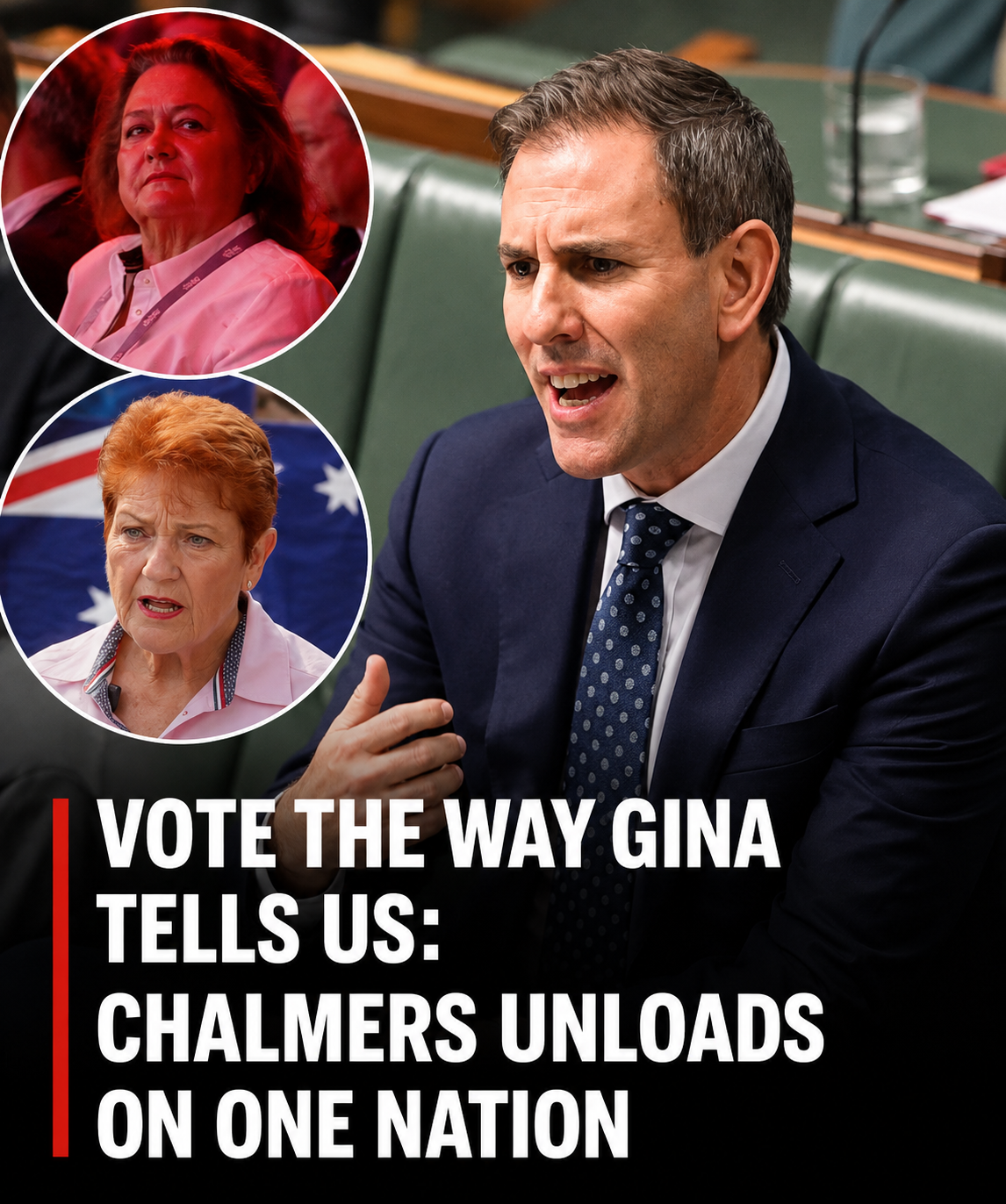
Treasurer Jim Chalmers intensified the confrontation when he accused One Nation of effectively acting in the interests of powerful wealthy backers rather than ordinary Australian workers.
Speaking during a major political address, Chalmers argued that Labor was pursuing reforms designed to expand opportunity while opponents were defending arrangements that benefited a privileged few.
His criticism went beyond traditional attacks on the Coalition and specifically singled out One Nation.
The remarks immediately attracted attention because they arrived at a time when One Nation is enjoying one of the strongest periods of momentum in its recent history.
The party’s “Fire The Liar” campaign has generated extensive media coverage and attracted a wave of donations from supporters around the country.
That fundraising success has transformed One Nation from a minor political irritant into a growing concern for Labor strategists.
Prime Minister Anthony Albanese also entered the debate.
He questioned aspects of One Nation’s fundraising narrative and highlighted the party’s links with Gina Rinehart, suggesting voters should pay close attention to who is supporting the movement financially.
The comments signalled that Labor intends to make Rinehart’s involvement a central issue in future political attacks.
For Labor, the strategy is relatively straightforward.
Rather than allowing the debate to focus exclusively on housing affordability, migration and cost-of-living pressures, the government is attempting to shift attention towards questions of influence and political backing.
The argument being advanced by Labor is that Australians should ask whether One Nation is speaking for ordinary voters or for wealthy interests.
That line of attack reflects a long-standing Labor political strategy.
Historically, Labor has often sought to frame political opponents as defenders of elite interests while presenting itself as the party representing workers and middle-income households.
The difference this time is that the target is not only the Coalition.
One Nation is now being treated as a serious political threat in its own right.
The timing is significant.
Recent polling, fundraising campaigns and media attention have all helped increase One Nation’s national profile.
The party has successfully positioned itself as a vehicle for voters frustrated by housing costs, migration levels and broader dissatisfaction with mainstream politics.
That growing support has clearly attracted Labor’s attention.
Supporters of One Nation argue the government’s latest attacks demonstrate exactly how concerned Labor has become.
They claim the focus on Gina Rinehart is an attempt to distract from policy debates where they believe public sentiment is moving in their favour.
According to this view, the more attention Labor devotes to attacking personalities, the more it risks reinforcing One Nation’s claim that the political establishment feels threatened.
Critics of One Nation disagree.
They argue that questions about political donations, influential supporters and major financial backers are legitimate issues that deserve public scrutiny.
For them, transparency about political funding is a necessary part of democratic accountability.
The dispute has therefore become about more than Gina Rinehart herself.
It has evolved into a broader argument about influence, representation and who political parties ultimately answer to.
Those themes resonate strongly because they connect with wider public concerns about trust in politics.
Many Australians are already sceptical about whether governments and political parties genuinely represent ordinary voters.
That scepticism creates fertile ground for conflicts over donors, funding and political influence.
The “Fire The Liar” campaign has amplified those tensions.
By directly targeting Anthony Albanese and accusing Labor of breaking promises, the campaign has forced the government into a more aggressive response.
Labor’s decision to focus on Gina Rinehart appears to be part of that response.
The battle is no longer just about competing policies.
It is now about competing narratives.
One Nation wants voters focused on migration, housing and cost-of-living pressures.
Labor wants voters focused on who stands behind One Nation and whose interests may benefit from its rise.
That clash is likely to intensify in the months ahead.
As One Nation continues attracting media attention and fundraising support, Labor will face increasing pressure to respond.
Likewise, every attack from Labor provides One Nation with another opportunity to argue that it is challenging the political establishment.
For now, one thing is becoming increasingly clear.
The contest between Labor and One Nation is no longer a routine policy disagreement.
It has become a personal political fight involving some of the biggest names in Australian politics and business.
And neither side appears willing to back down.






