Pauline Hanson’s One Nation has launched a fresh fundraising push asking supporters to contribute $29 each, a figure that immediately caught attention because it is exactly $2 higher than the amount Labor recently requested from its own supporters.
While the difference may seem small, the symbolism is impossible to miss.
The campaign has become the latest front in an increasingly bitter political battle between One Nation and the Albanese Government, with both sides now competing not only for votes but also for public attention and financial support.
For One Nation, the $29 request is more than a fundraising target.
It is a political statement.
The message being sent to supporters is that the party intends to fight back directly against Labor’s efforts to contain One Nation’s growing influence.
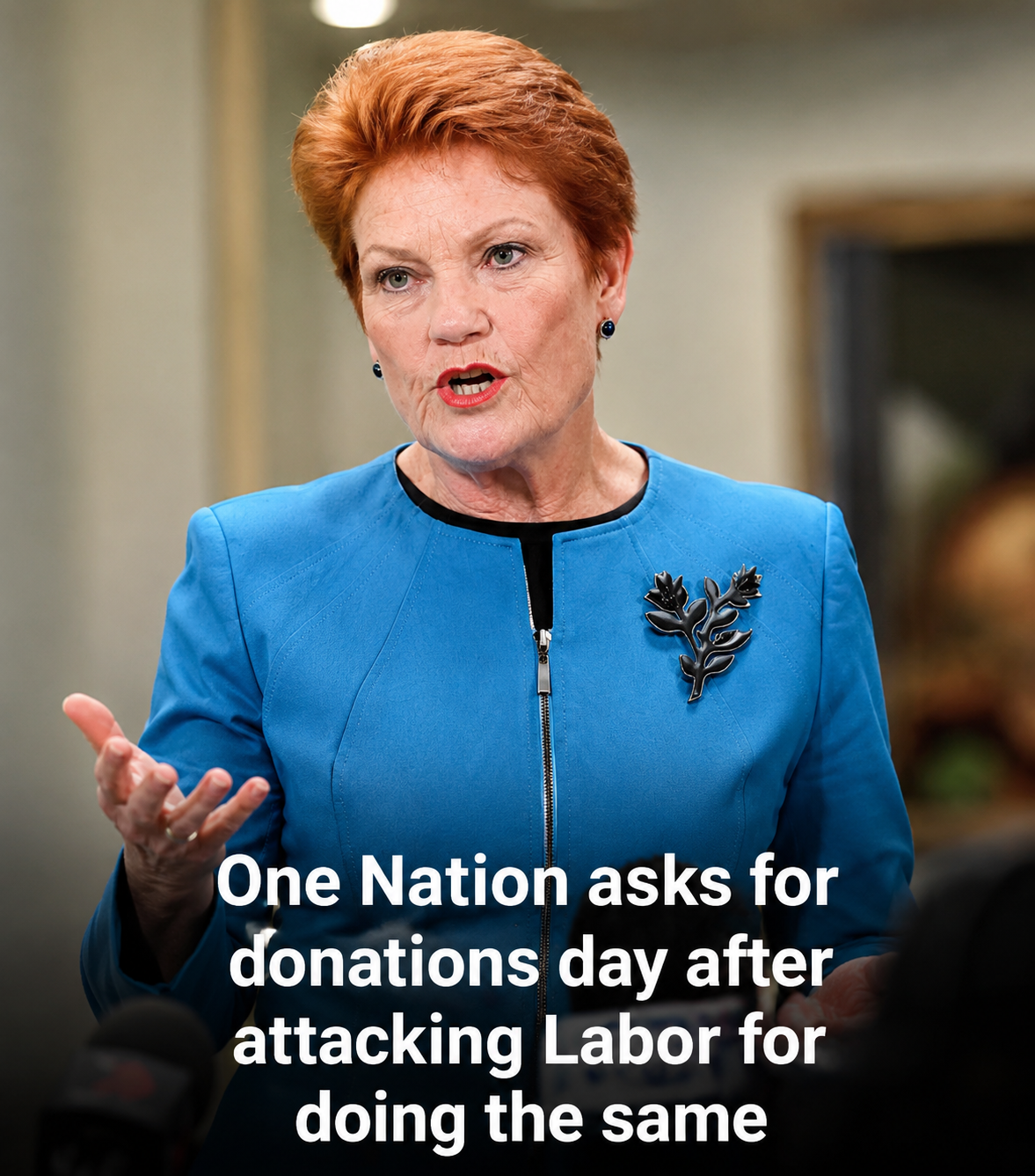
The fundraising drive forms part of the broader “Fire The Liar” campaign that has become one of the most discussed political initiatives of recent weeks.
The campaign accuses Prime Minister Anthony Albanese of breaking promises on issues including migration, taxation, housing and energy policy.
One Nation says the funds will be used to finance advertising campaigns, billboards, television spots and digital outreach aimed at challenging Labor in key electorates.
According to party figures, the response from supporters has exceeded expectations.
Donations surged rapidly after the campaign launched, with fundraising totals climbing into the millions of dollars within a short period.
For Pauline Hanson, that response is evidence of something larger than a successful fundraising campaign.
She argues it reflects growing dissatisfaction among Australians who feel ignored by the major parties.
Supporters frequently cite concerns about housing affordability, migration levels, cost-of-living pressures and trust in government as reasons for backing the campaign.
The timing is significant.
Recent months have seen One Nation attract increasing media attention following strong polling results and a series of high-profile political campaigns.
The party has positioned itself as an alternative for voters who believe neither Labor nor the Coalition is adequately addressing their concerns.
That strategy appears to be resonating with at least part of the electorate.
Political observers have noted that fundraising often provides an early indication of enthusiasm among supporters.
While donations do not automatically translate into votes, successful fundraising campaigns can provide parties with the resources needed to expand their message and improve voter outreach.
That is particularly important for minor parties, which often lack the organisational resources available to Labor and the Coalition.
The $29 donation request was widely interpreted as a deliberate response to Labor’s earlier appeal for $27 donations.
By asking supporters for a slightly larger amount, One Nation effectively transformed a routine fundraising appeal into a political contest.
The move generated media coverage and encouraged supporters to view their contribution as part of a broader campaign against the government.
Critics argue the tactic relies heavily on political anger and frustration.
Supporters counter that it simply reflects the mood of voters who are increasingly dissatisfied with mainstream politics.
Either way, the campaign has succeeded in attracting attention.
The fundraising battle also highlights a larger shift taking place within Australian politics.
Minor parties are becoming more effective at raising money directly from supporters through online campaigns.
Traditional fundraising models relied heavily on major donors, business networks and party memberships.
Digital fundraising allows parties to appeal directly to voters and collect thousands of smaller donations.
That model has become increasingly common internationally and is now playing a larger role in Australia.
For One Nation, the success of the “Fire The Liar” campaign provides more than financial resources.
It also helps reinforce a narrative that the party is building momentum.
Every new donation becomes part of a story about growth, enthusiasm and political relevance.
That narrative is particularly valuable for a party seeking to convince voters that it can compete with the major parties.
Labor, meanwhile, has dismissed many of the accusations made by One Nation.
The government argues it is focused on governing and implementing policies designed to address housing affordability, economic challenges and long-term national priorities.
Anthony Albanese has repeatedly defended his government’s agenda and rejected claims that voters have been deliberately misled.
Yet the fundraising clash demonstrates how political debates are increasingly being fought outside Parliament.
Social media campaigns, online donations and viral political messaging now play a major role in shaping public discussion.
That trend has allowed smaller parties to reach audiences that once would have been difficult to access.
For One Nation supporters, the $29 contribution represents an opportunity to support a movement they believe is gaining strength.
For critics, it is simply another example of modern political marketing.
Regardless of how voters view the campaign, one fact is difficult to ignore.
The fundraising battle between Labor and One Nation has become a story in its own right.
And with donations continuing to flow and political tensions rising, the contest for public support appears far from over.