A political feud that began with a billboard rolling through Melbourne has rapidly grown into a national debate about leadership, political criticism and where the line should be drawn in public life.
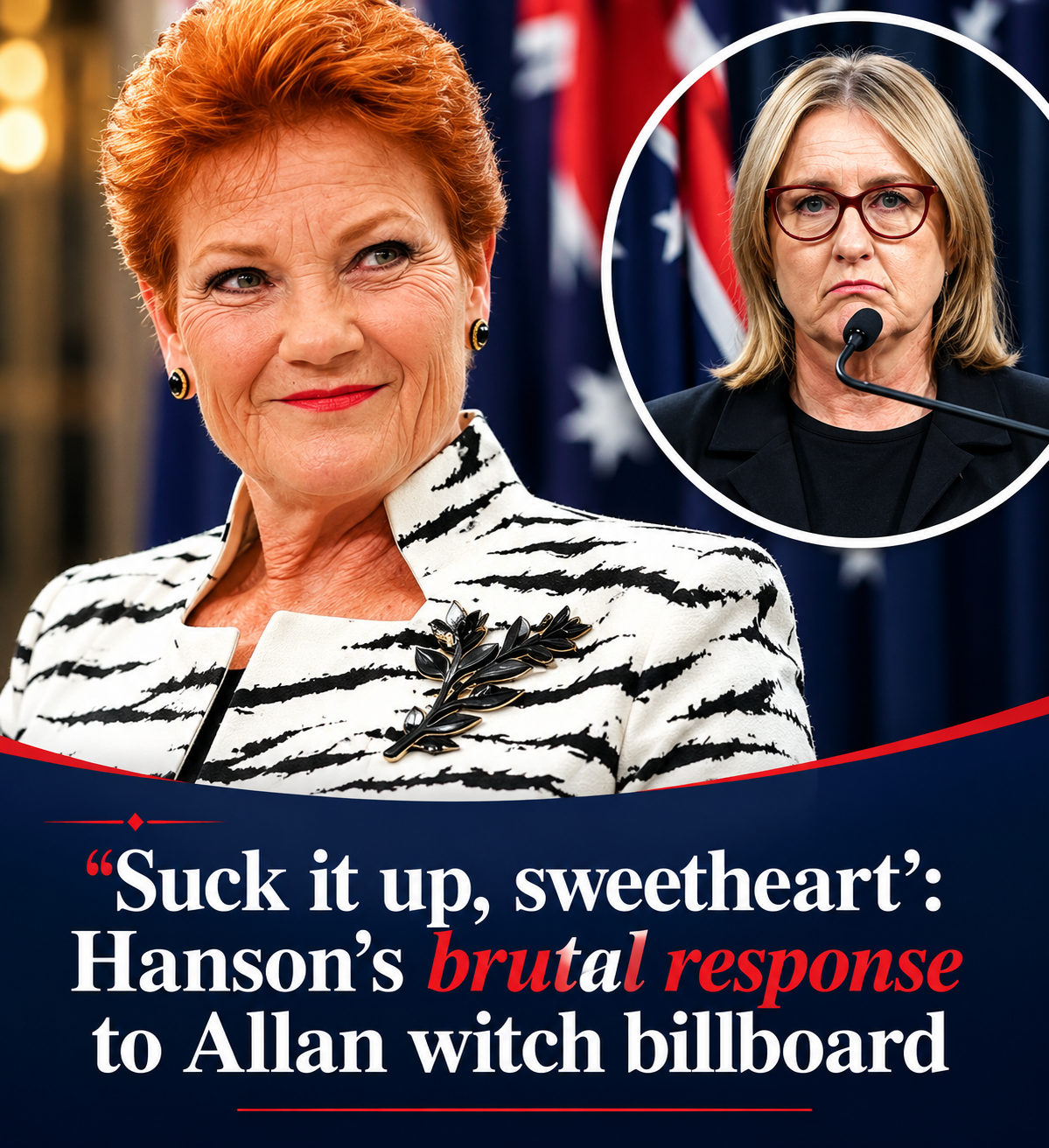
The controversy erupted after Victorian Premier Jacinta Allan was depicted as a witch on a mobile billboard carrying the slogan “Ditch The Witch”, a phrase that has a long and controversial history in Australian politics.
What may have started as a provocative political advertisement quickly attracted attention from across the political spectrum.
Prime Minister Anthony Albanese condemned the campaign, while former prime minister Julia Gillard also criticised the use of language that many consider sexist and degrading. Critics argued the slogan crossed a line by targeting Allan personally rather than focusing on policy disagreements.
But Pauline Hanson was not prepared to join that criticism.
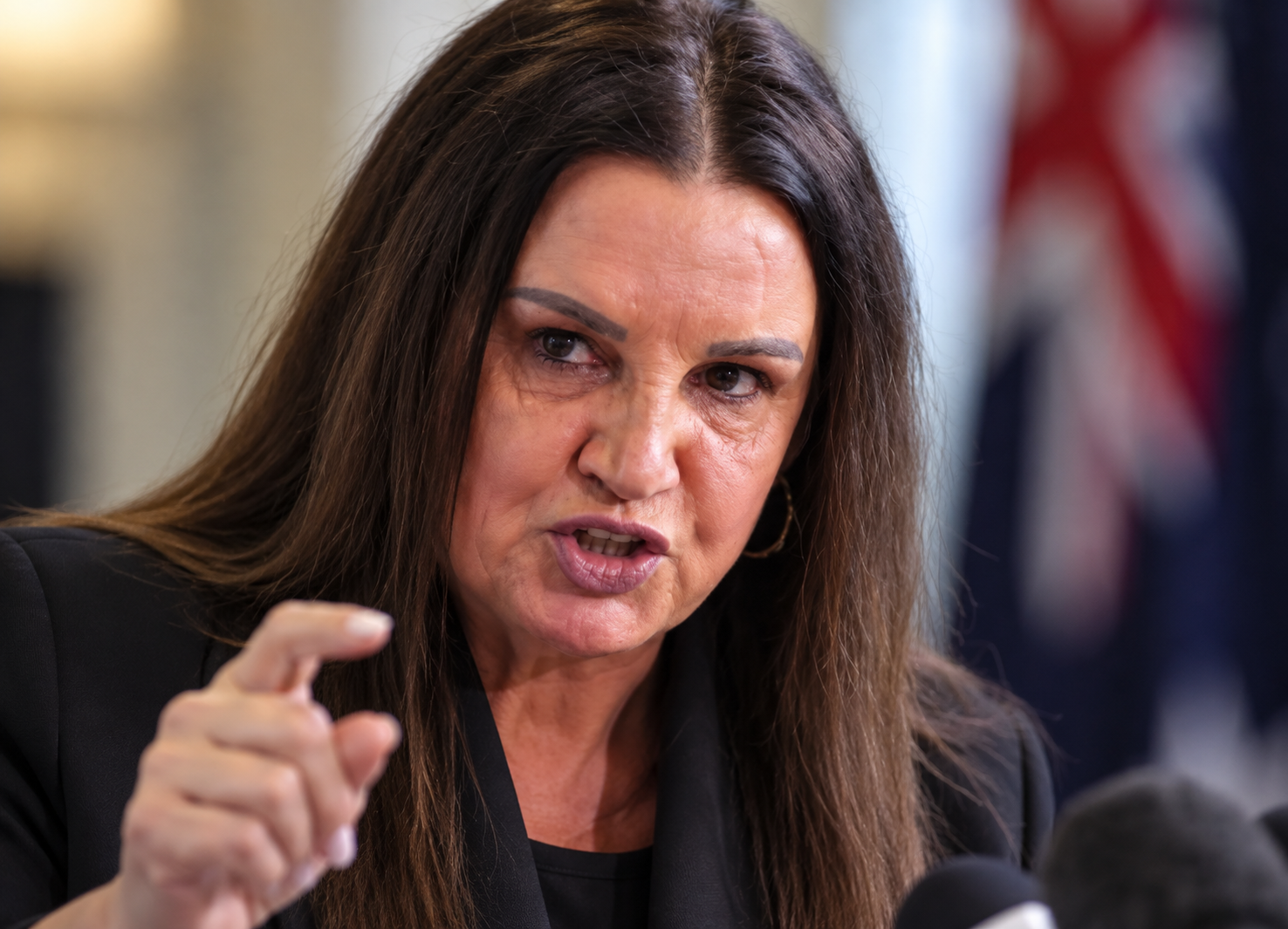
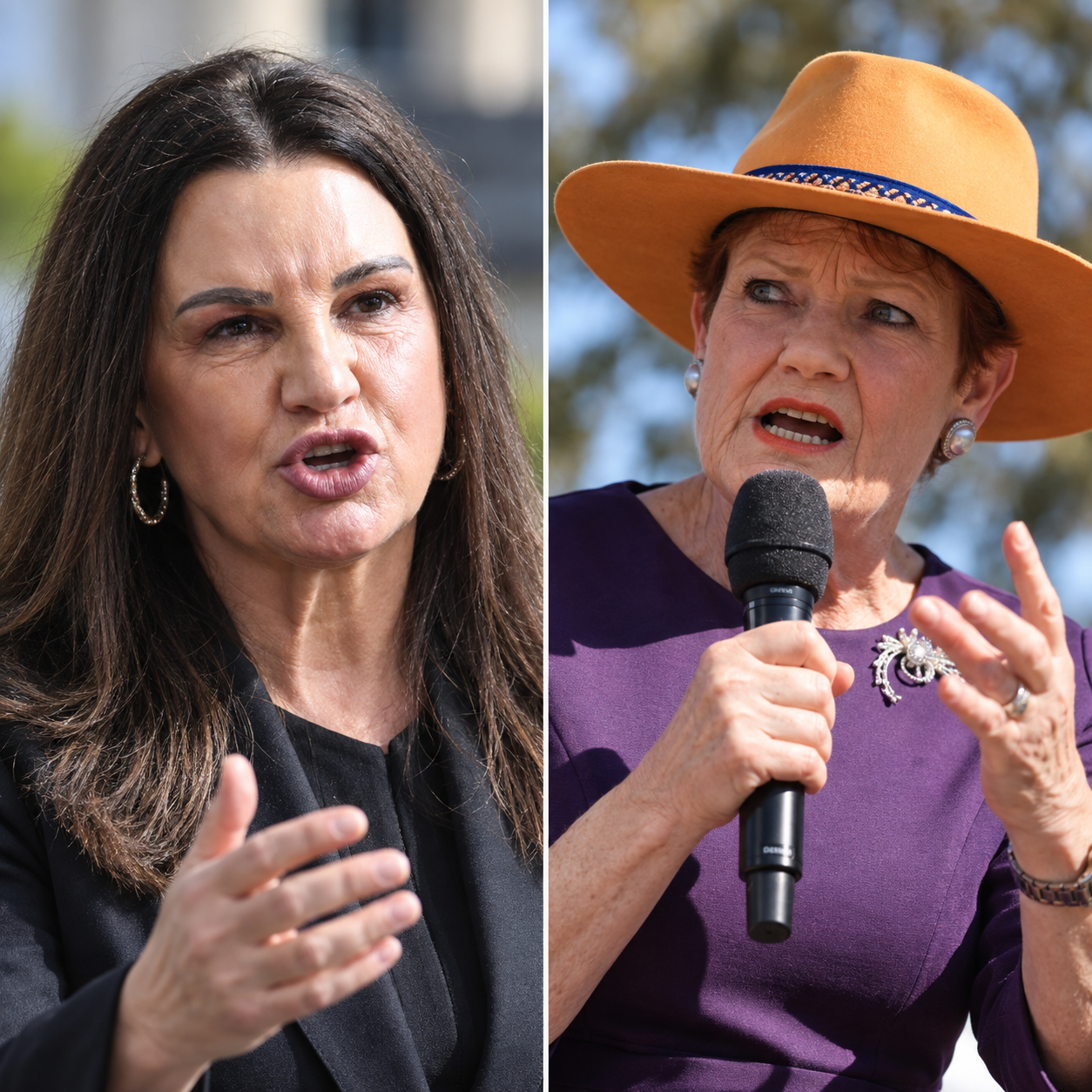
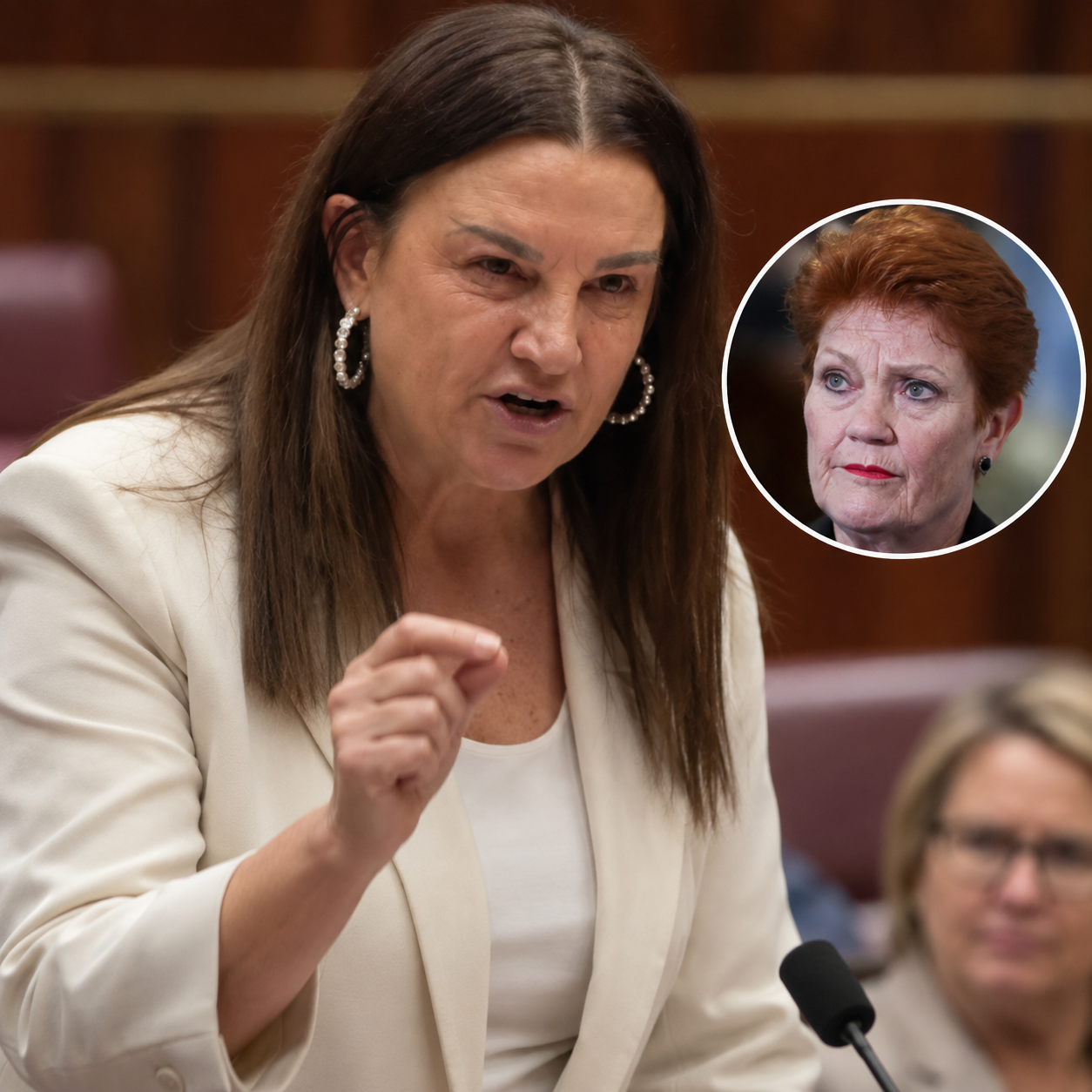
The One Nation leader instead told Allan to “suck it up”, arguing that politicians regularly face harsh criticism and that public life comes with scrutiny and personal attacks. Hanson pointed out that she herself has been subjected to insults and ridicule throughout her political career.
The exchange immediately intensified the story.
Rather than focusing solely on the billboard itself, attention shifted toward a larger political battle over accountability, leadership and voter frustration.
For Allan, the issue is not simply about a slogan.
She has argued that attacks based on gender contribute to a political culture that discourages women from entering public life and normalises behaviour that would once have been widely condemned. Allan has publicly stated that disagreement is part of democracy but believes personal attacks should not become accepted as normal political behaviour.
Supporters of the billboard campaign see the situation differently.
Many argue the advertisements reflect growing dissatisfaction with the Victorian government and are intended as a political statement rather than a personal attack.
That frustration is occurring against a backdrop of significant public debate around crime, housing affordability, business conditions and cost-of-living pressures across Victoria.
Those issues have become central to political conversations in suburbs, regional communities and business districts throughout the state.
As a result, some voters view the controversy as a symptom of deeper frustrations rather than the cause of them.
The timing is particularly significant.
Victoria is approaching a critical political period, with pressure building on all major parties to convince voters they have answers to the issues dominating household budgets and community concerns.
Rising mortgage repayments, rental stress and higher living costs continue to influence public sentiment.
When economic pressures increase, political debates often become sharper and more emotional.
That reality helps explain why a single billboard has generated such a strong reaction.
The controversy has also highlighted the increasingly confrontational nature of modern political campaigning.
Social media, mobile advertising and online commentary can turn local disputes into national stories within hours.
Political messages that once reached only a small audience can now dominate news coverage across the country.
For political leaders, that creates both opportunities and risks.
Strong criticism can energise supporters.
It can also alienate voters who prefer a less aggressive style of politics.
The challenge for every party is determining where that balance sits.
The dispute has already become larger than the billboard itself.
It now touches on questions of political standards, campaign tactics and how public figures should respond when faced with controversial criticism.
For Hanson, the episode reinforces her long-standing image as a politician willing to confront opponents directly and reject what she sees as political correctness.
For Allan, it has become another test of leadership during a period of intense political scrutiny.
Neither side appears willing to back down.
That means the debate is likely to continue well beyond the lifespan of a single advertising campaign.
As Victoria moves closer to its next major political contest, voters will ultimately decide whether these battles matter more than the issues affecting their daily lives.
Housing affordability, cost-of-living pressures, public safety and economic confidence remain the concerns that dominate conversations around kitchen tables across the state.
The billboard controversy may be grabbing headlines today.
But the political leaders who successfully address those underlying concerns are likely to have the greatest influence on what happens next.