Few issues in Australia generate more emotion than housing.
For millions of Australians, the question of who can buy property, who can afford property and how governments should manage housing supply has become one of the defining political issues of the decade.
That is why recent controversy surrounding a proposed housing policy has attracted so much attention.
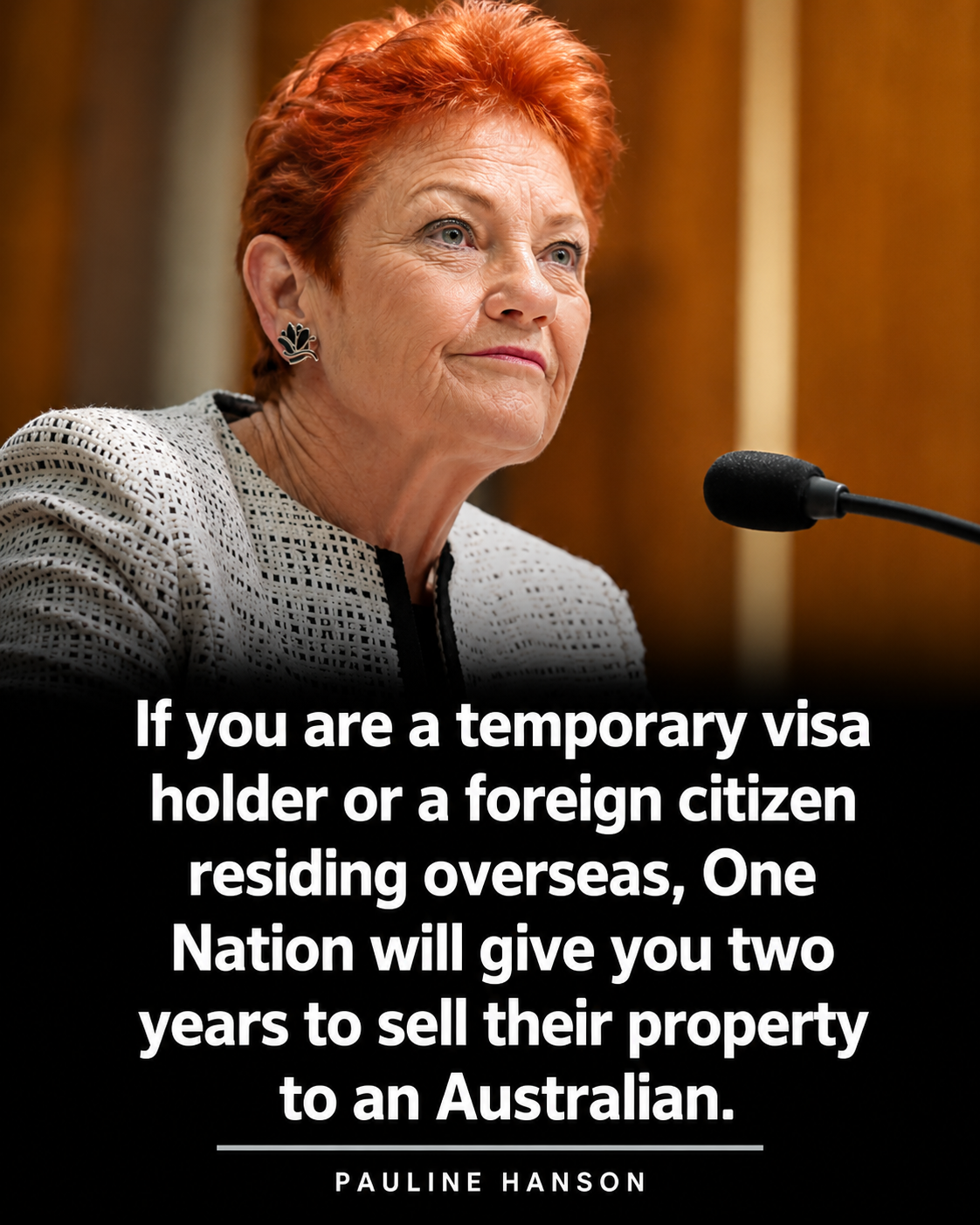
The public discussion quickly moved beyond the details of a single proposal and evolved into something much bigger.
It became a debate about affordability, migration, property ownership and the future of the Australian dream.
For many voters, housing affordability remains the issue that affects their lives more directly than almost any other policy area.
House prices remain out of reach for many first-home buyers.
Rental costs continue to strain household budgets.
Families are increasingly helping adult children with deposits, loan guarantees and financial support simply to give them a chance of entering the market.
The frustration is understandable.
Many younger Australians feel they are working harder than previous generations while finding it more difficult to achieve home ownership.
At the same time, rising migration, limited housing supply and construction challenges have intensified public debate about the causes of the crisis.
As a result, any policy that touches on property ownership immediately attracts enormous scrutiny.
Voters want clear answers.
They want practical solutions.
And they want confidence that policymakers understand the scale of the problem.
The recent controversy highlighted how quickly confusion can emerge when housing proposals are not communicated clearly.
Questions were raised about who would be affected, how any policy would operate and what the long-term consequences might be.
Those questions matter because housing policy affects far more than property values.
It influences investment decisions, migration planning, business confidence and family financial security.
For permanent residents, housing represents stability and commitment.
Many have built careers, raised families and contributed to communities across Australia.
They pay taxes, participate in local economies and often intend to become citizens in the future.
Any uncertainty surrounding property rights naturally attracts attention from both voters and policymakers.
The broader issue is that Australia’s housing market is under pressure from multiple directions at once.
Population growth continues.
Construction costs remain elevated.
Planning approvals can take years.
Infrastructure projects struggle to keep pace with demand.
Builders face workforce shortages and financial challenges.
These factors combine to create a shortage of available homes in many parts of the country.
That shortage has become increasingly visible in both rental and ownership markets.
When supply fails to keep pace with demand, affordability suffers.
The consequences are felt by everyone.
Young buyers delay entering the market.
Renters face higher costs.
Businesses struggle to attract workers in expensive locations.
Families reconsider long-term financial plans.
It is therefore unsurprising that housing has become a major political battleground.
Parties across the political spectrum are searching for policies that resonate with voters frustrated by years of deteriorating affordability.
Yet voters are becoming increasingly sceptical of slogans alone.
They want details.
They want implementation plans.
And they want evidence that proposed solutions can deliver measurable improvements.
The growing attention on housing policy reflects a larger shift in Australian politics.
Economic issues are now dominating public discussion.
Questions about mortgages, rent, taxation, investment and living standards increasingly shape how people view governments and opposition parties alike.
Housing sits at the centre of all those concerns.
For many Australians, owning a home remains one of the most important markers of financial security.
When access to that goal becomes more difficult, political pressure inevitably follows.
The current debate demonstrates just how powerful that pressure has become.
Regardless of political affiliation, most Australians share a common objective.
They want a housing market that offers genuine opportunity.
They want more homes available.
They want affordability to improve.
And they want confidence that future generations will have a realistic pathway to home ownership.
Until those concerns are addressed, housing will remain one of the most closely watched and fiercely debated issues in Australian public life.






