Australian politics is entering a new phase.
For decades, elections were largely contests between Labor and the Coalition, with smaller parties influencing the margins rather than shaping the national conversation.
That landscape is beginning to change.
Growing support for alternative political movements is forcing both major parties to rethink how they approach some of the country’s biggest challenges.
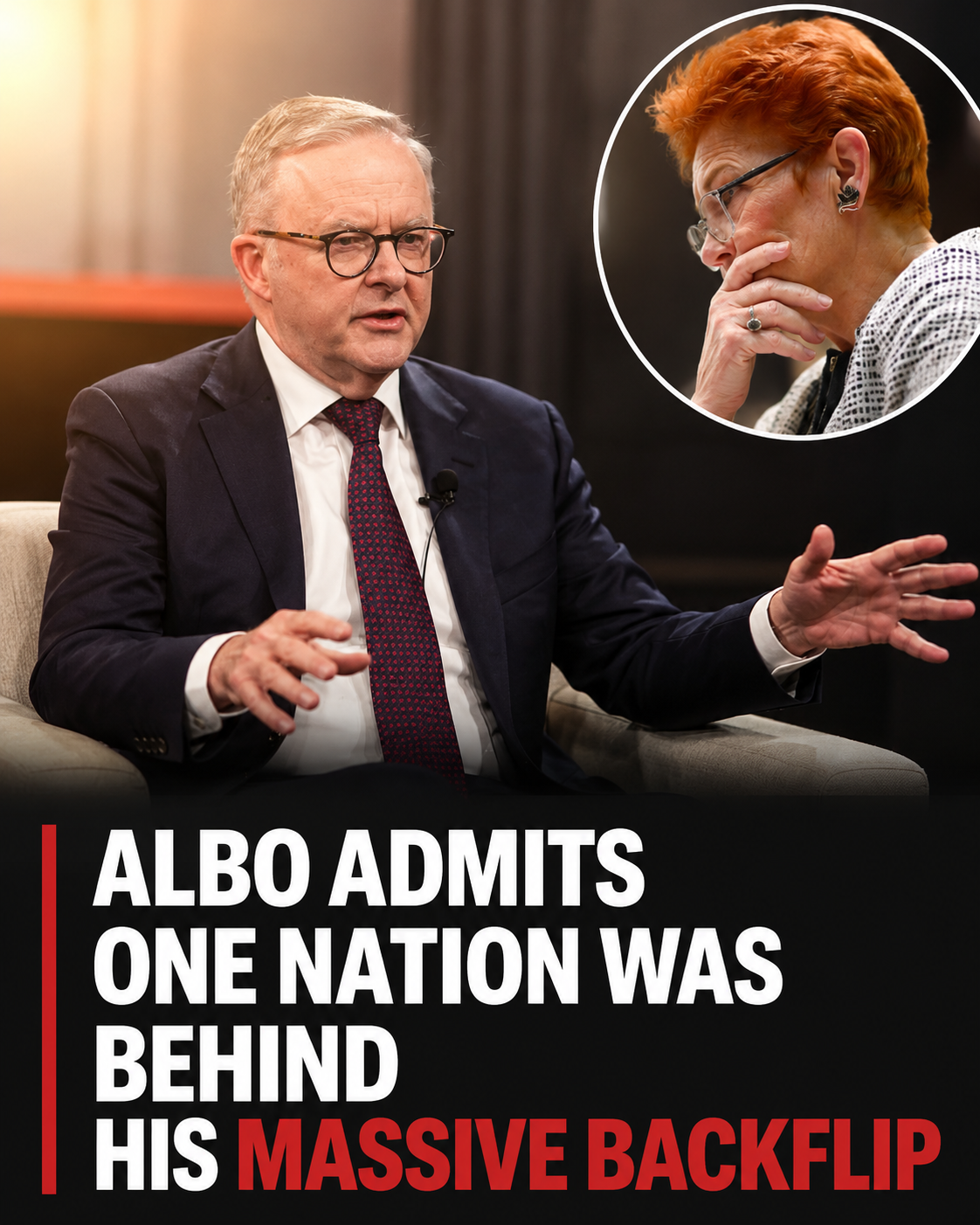
The shift is being driven by a combination of economic frustration, housing pressures and a growing belief among many voters that traditional political solutions are no longer delivering the results they expect.
Across Australia, households continue to face rising living costs.
Mortgage repayments remain a burden for many families.
Renters are competing for limited housing supply.
Insurance premiums, utility bills and everyday expenses continue to consume a larger share of household budgets.
When economic pressure persists for long periods, political behaviour often changes.
Voters become more willing to explore alternatives.
Long-standing party loyalties weaken.
People begin looking for new voices that they believe better understand their concerns.
This trend has become increasingly visible across several Western democracies.
Australia is now experiencing many of the same forces.
The housing crisis remains one of the most powerful drivers of voter dissatisfaction.
For younger Australians, entering the property market has become significantly more difficult than it was for previous generations.
Saving a deposit can take years.
High property prices continue to create barriers to ownership.
Even households with stable incomes often feel that the dream of owning a home is moving further away.
As housing affordability becomes a larger issue, voters naturally pay closer attention to parties offering different approaches.
Tax policy has also become a major battleground.
Australians are increasingly focused on how government decisions affect their personal finances.
Questions about investment, retirement savings, housing affordability and business confidence are now central to political debate.
For many voters, these issues matter far more than traditional political slogans.
They want practical outcomes.
They want to know whether policies will improve their financial situation.
They want confidence that future generations will have opportunities similar to those enjoyed by previous Australians.
The rise of alternative political movements reflects this desire for change.
Many supporters are not necessarily motivated by ideology alone.
Instead, they are responding to a sense that existing institutions have struggled to address problems that directly affect everyday life.
This creates a challenge for both Labor and the Coalition.
Neither party can afford to ignore voter frustration.
Political leaders increasingly recognise that economic confidence and public trust are closely connected.
If households feel they are falling behind, dissatisfaction can quickly translate into changing voting patterns.
The implications extend beyond election results.
Businesses also pay attention to political stability and policy certainty.
Investors want confidence about future taxation settings.
Employers want predictable economic conditions.
Homebuyers want clarity about housing policy.
When political competition intensifies, every major policy decision receives greater scrutiny.
This is particularly true during periods of economic uncertainty.
Governments face pressure to demonstrate that reforms will deliver real benefits rather than simply generate headlines.
Opposition parties face pressure to prove that their alternatives are practical and achievable.
The result is a more competitive political environment.
For voters, that competition can create opportunities.
Parties must work harder to earn support.
Policies receive closer examination.
Public concerns become more difficult to dismiss.
At the same time, rising political fragmentation can make governing more complicated.
Building consensus becomes harder.
Policy debates become more intense.
Competing visions for Australia’s future become more visible.
The next few years are likely to be shaped by questions that directly affect household finances.
Will housing become more affordable?
Will wages keep pace with living costs?
Will businesses regain confidence to invest and expand?
Will younger Australians have a realistic pathway to home ownership?
These questions will influence political outcomes far more than personality clashes or campaign slogans.
Ultimately, voters are looking for results.
They want governments that can improve living standards, strengthen economic opportunity and restore confidence in the future.
The growing support for alternatives is a sign that many Australians are still waiting for those outcomes.
And until they see meaningful improvements, the pressure on the major parties is unlikely to ease.






