A growing debate is unfolding in Victoria over access to some of the country’s most sought-after weight-loss medications.
The controversy is not simply about healthcare.
It is about fairness.
And for many Australians struggling with rising living costs, that question has become increasingly important.
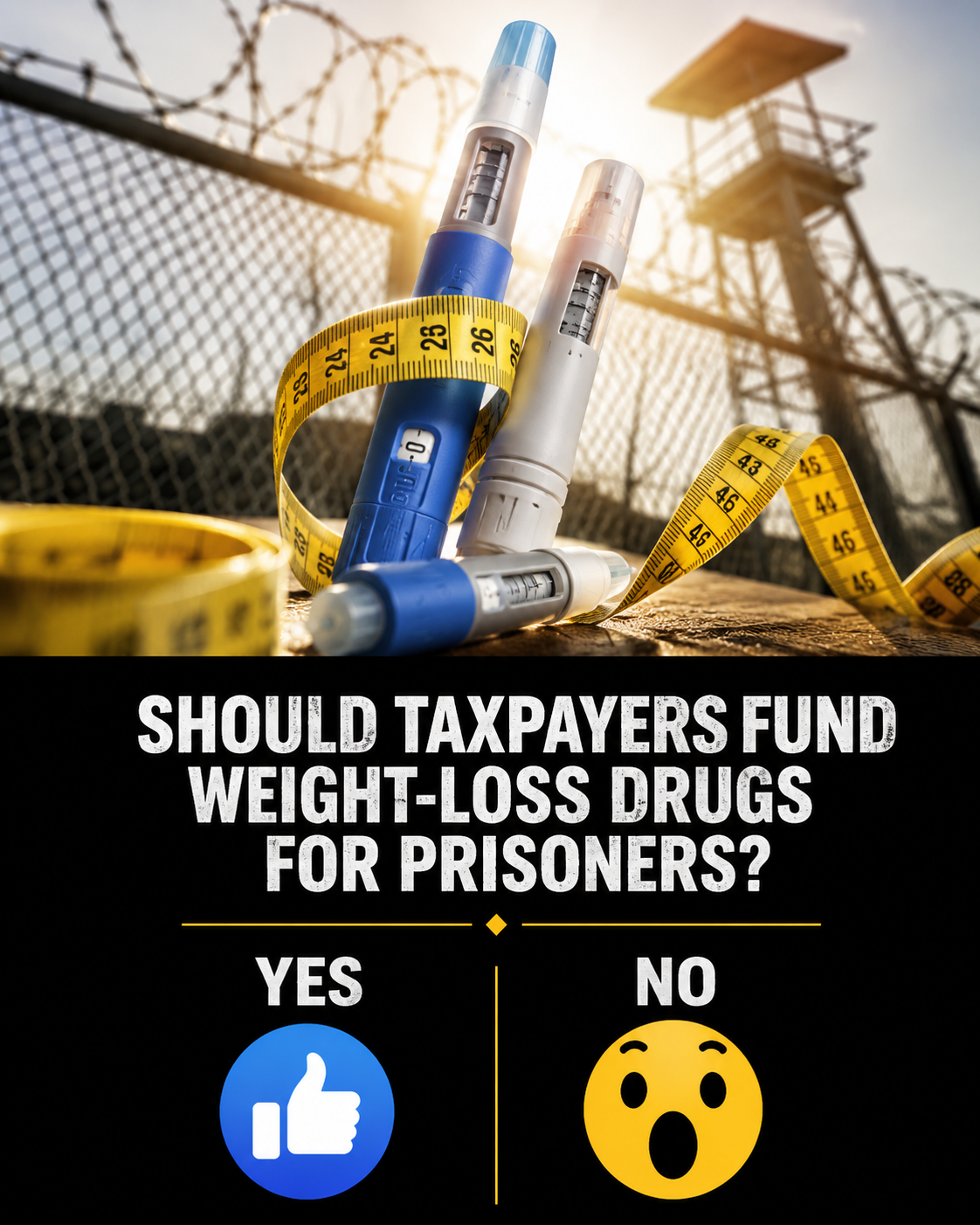
Weight-loss drugs such as Ozempic and Mounjaro have become household names over the past few years.
Originally developed to assist patients with diabetes and obesity-related health conditions, the medications have attracted enormous public attention because of their effectiveness in helping many patients lose weight.
Demand has surged across Australia and around the world.
For many people, however, access comes with a substantial financial cost.
Some Australians are paying hundreds of dollars each month to maintain treatment.
For households already facing pressure from mortgage repayments, rent increases, insurance premiums and grocery bills, those costs can be difficult to absorb.
This reality has helped fuel strong public reactions whenever reports emerge suggesting that access to these medications differs across various parts of the system.
The issue touches on a broader concern shared by many taxpayers.
How should publicly funded healthcare resources be allocated?
Australia’s healthcare system operates on the principle that medical treatment should be provided according to clinical need.
Yet questions frequently arise when demand for a particular treatment exceeds supply or when costs place therapies beyond the reach of many individuals.
Obesity itself remains a major public health challenge.
Health experts continue to warn that excess weight contributes to a wide range of chronic conditions including cardiovascular disease, diabetes, joint problems and reduced quality of life.
As a result, governments and healthcare providers face increasing pressure to support effective treatment options.
The challenge is that effective treatments often come with significant financial implications.
Providing widespread access can create substantial costs for health systems already under pressure from ageing populations and rising demand for medical services.
This is where the debate becomes complicated.
Many Australians support the idea that people with genuine medical needs should receive appropriate treatment regardless of their financial circumstances.
At the same time, taxpayers expect governments to spend public funds responsibly and transparently.
The discussion extends beyond prisons or any single institution.
It raises larger questions about healthcare priorities.
Who should receive subsidised access?
What conditions should qualify?
How should governments balance preventative healthcare against other competing demands?
These are difficult questions because healthcare budgets are never unlimited.
Every dollar spent in one area is a dollar unavailable elsewhere.
Governments must continually make decisions about hospitals, aged care, mental health services, pharmaceuticals and preventative health programs.
Public expectations are also changing.
Australians are becoming increasingly aware of new medical treatments and often expect faster access to therapies that promise meaningful health benefits.
Social media and widespread media coverage have amplified interest in medications that were previously known only to specialists.
The result is greater demand and greater scrutiny.
For many households, the issue intersects directly with the cost-of-living crisis.
Healthcare expenses have become a growing concern alongside housing, energy and insurance costs.
Families are paying closer attention to where public money is being spent and whether government programs are delivering value.
This is particularly true when stories emerge that appear to highlight differences in access between various groups within society.
The emotional reaction often stems from perception as much as policy.
People want confidence that the system treats everyone fairly.
They want assurance that public resources are being allocated according to clear and consistent principles.
Healthcare experts often argue that medical decisions should remain based on clinical need rather than public sentiment.
However, public trust remains essential.
Without confidence in the fairness of the system, political and social tensions can quickly emerge.
The broader debate also highlights the growing importance of preventative healthcare.
Obesity-related conditions place enormous pressure on hospitals and healthcare budgets.
Many policymakers believe that effective early intervention may ultimately reduce long-term costs by preventing more serious illnesses.
Others argue that governments must be careful about expanding access to expensive treatments without clear funding strategies.
These competing perspectives ensure the debate is unlikely to disappear anytime soon.
As demand for modern weight-loss medications continues to grow, governments will face increasing pressure to explain how access decisions are made and who qualifies for support.
For many Australians, the discussion is about far more than a single medication.
It is about trust in public institutions.
It is about healthcare affordability.
And it is about whether ordinary families believe they are receiving fair treatment in a system funded by their taxes.
As living costs continue to challenge households across the country, those questions are likely to become even more important in the years ahead.






