As One Nation continues attracting support from Australians frustrated with the major parties, the political conversation is beginning to change.
For years, the party’s appeal was built on challenging the political establishment and giving a voice to voters who felt ignored by Canberra.
Now, as polling support grows and more Australians consider alternatives to Labor and the Coalition, a tougher question is emerging.
Can One Nation convince voters it is ready to govern rather than simply oppose?
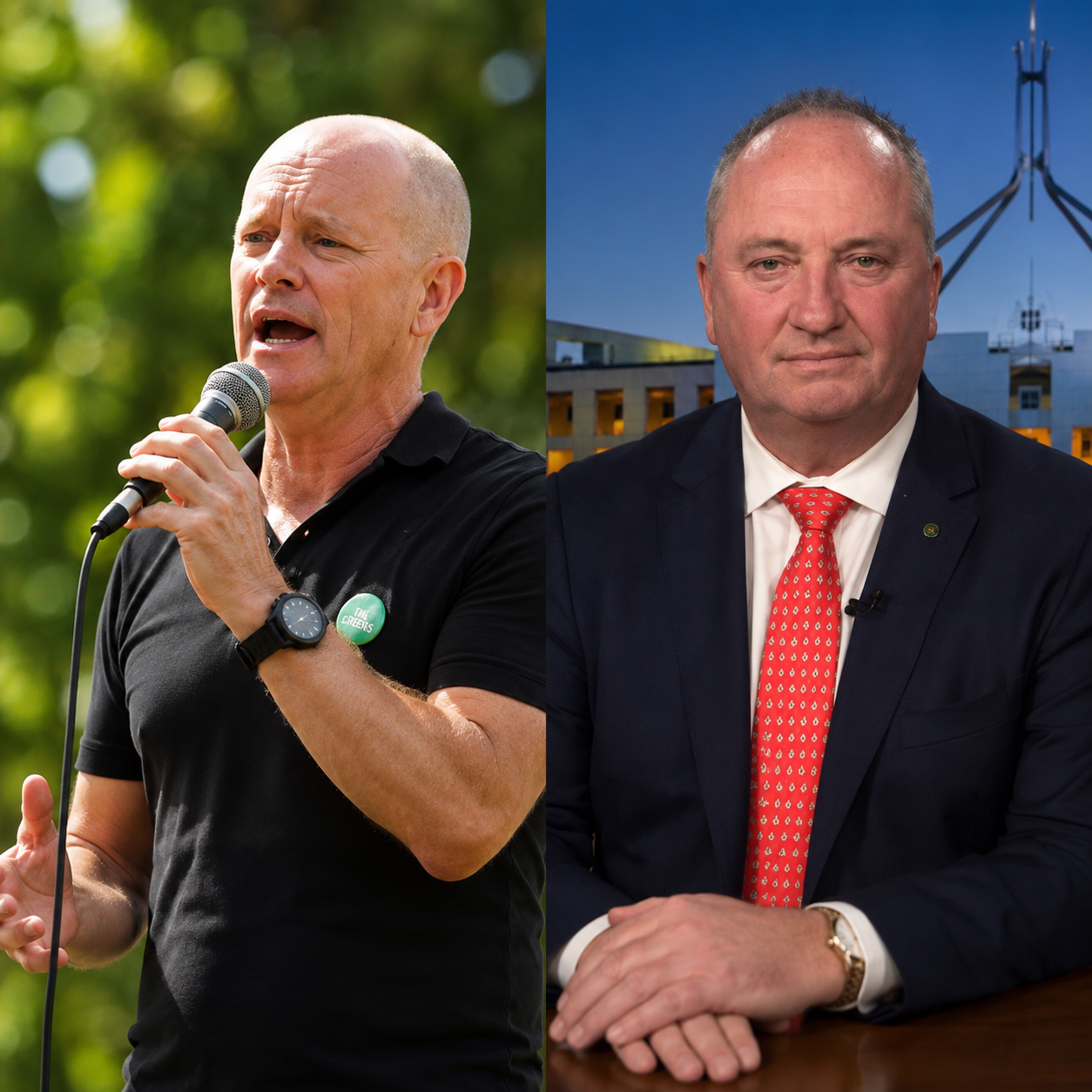
The question has become increasingly relevant following recent confusion surrounding elements of the party’s housing policy.
Housing remains one of the most important issues facing Australian households.
Property affordability continues to challenge first-home buyers.
Rental costs remain elevated across many parts of the country.
Young families are finding it increasingly difficult to save deposits while managing higher living expenses.
As a result, voters are paying close attention to any political party promising solutions.
But housing policy is also one of the most complex areas of government.
It involves construction, migration, taxation, planning regulations, infrastructure, investment and financial markets.
A simple slogan can attract attention.
Delivering a workable policy is considerably harder.
Recent public confusion surrounding aspects of One Nation’s housing platform has highlighted that challenge.
Several representatives struggled to explain key details of the proposal before subsequent clarifications were issued by the party leadership.
The episode quickly became a talking point because it touched on a broader concern many voters have when considering smaller political parties.
People want to know not only what a party stands for, but how its policies would operate in practice.
That expectation becomes even stronger when a party begins presenting itself as a potential alternative government.
Australia is currently experiencing a period of significant political change.
Cost-of-living pressures continue to dominate household concerns.
Mortgage repayments remain high for many homeowners.
Renters face intense competition for available housing.
Small businesses continue to navigate rising operating costs and cautious consumer spending.
These economic pressures have weakened traditional political loyalties.
Increasing numbers of Australians are willing to consider alternatives if they believe existing parties are failing to deliver results.
This environment has created opportunities for parties outside the traditional Labor-Coalition contest.
However, growing support often comes with growing scrutiny.
When a political movement begins attracting significant numbers of voters, expectations change.
Media organisations, business groups, economists and voters start asking more detailed questions.
How will policies be funded?
What are the economic consequences?
How would implementation work?
What are the unintended effects?
These questions are particularly important in relation to housing.
Most Australians agree the housing market is under pressure.
The disagreement is over which solutions are most likely to work.
Some policymakers favour increasing housing supply through planning reform and construction incentives.
Others support reducing demand pressures through migration changes, foreign ownership restrictions or tax reform.
Many experts argue that no single policy can solve the problem by itself.
That complexity means voters increasingly expect detailed plans rather than broad promises.
The issue extends beyond housing.
Australians are looking for answers on energy prices, taxation, healthcare, infrastructure and economic growth.
Any party seeking greater influence must eventually demonstrate how its policies fit together into a broader vision for the country.
This is where the transition from protest politics to governing politics often becomes difficult.
Identifying problems is one challenge.
Designing practical solutions that can survive economic reality, parliamentary negotiations and public scrutiny is another.
For One Nation, the current debate may actually reflect its growing political relevance.
Parties rarely face intense examination unless voters believe they could become genuinely influential.
The scrutiny itself is a sign that expectations are changing.
Many Australians are no longer asking whether One Nation can influence debate.
They are asking whether it could play a larger role in shaping government policy.
That shift creates both opportunities and risks.
Strong public support can generate momentum.
But policy mistakes, communication problems and unanswered questions can also become more damaging as visibility increases.
The broader lesson applies to every political movement that seeks to challenge the establishment.
Winning attention is only the first step.
Winning trust requires demonstrating competence, discipline and clarity.
As cost-of-living pressures continue to reshape Australian politics, voters are likely to become even more demanding.
They want affordable housing.
They want economic security.
They want practical solutions rather than endless political arguments.
Whether One Nation can meet those expectations remains one of the most important political questions emerging in Australia today.
And as support continues to grow, the pressure to provide convincing answers will only become stronger.