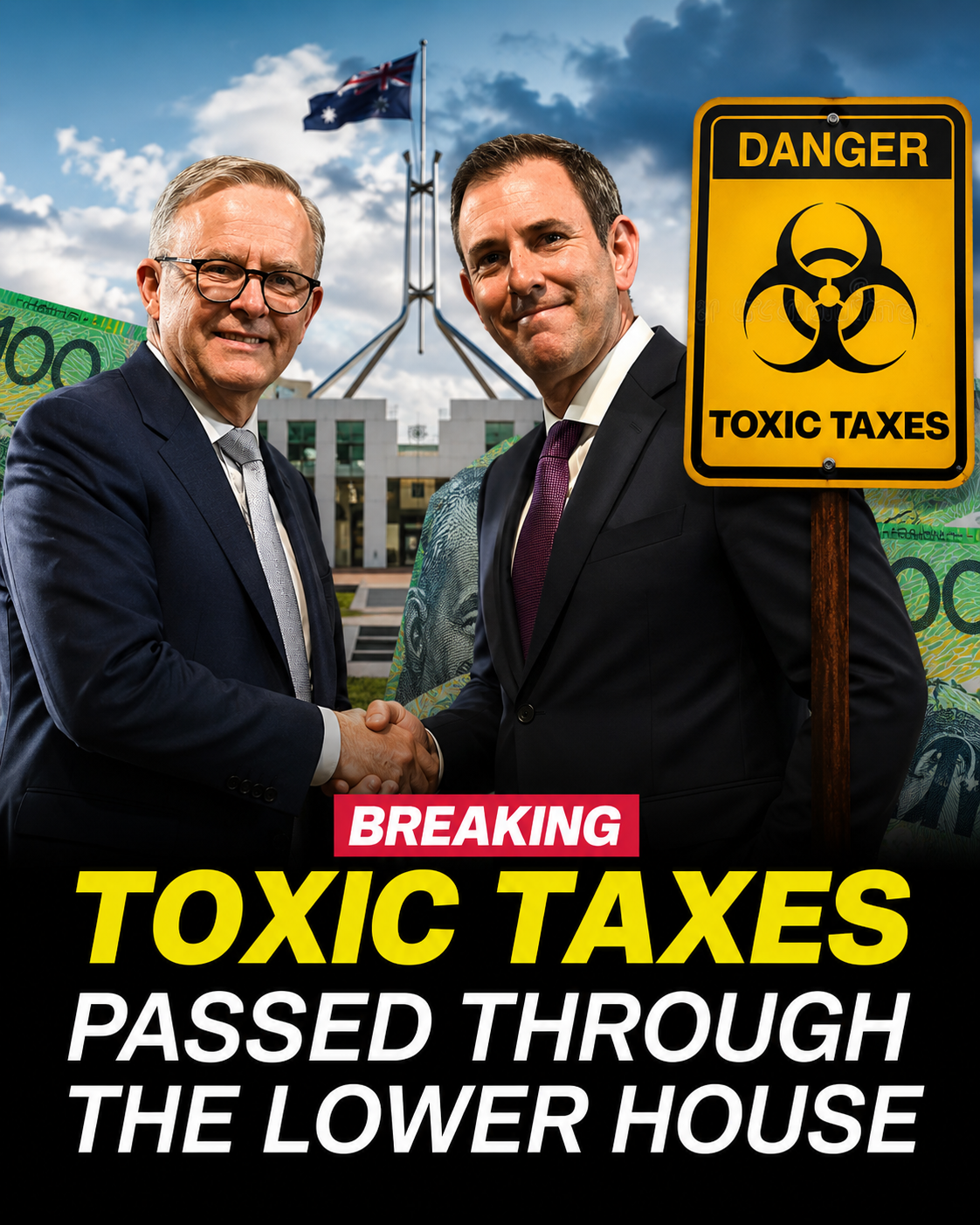
A fresh political battle is unfolding in Canberra after a package of major tax measures cleared the lower house, setting the stage for an intense Senate fight and a broader national debate about who will ultimately bear the cost.
The legislation has become one of the most controversial elements of the government’s economic agenda, drawing strong support from some quarters and fierce criticism from others.
At the centre of the argument is a question that affects millions of Australians.
Will the proposed changes make the country fairer and more affordable, or will they discourage investment at a time when Australia can least afford it?
The debate extends well beyond politics.
For homeowners, investors, retirees and business operators, the outcome could influence financial decisions for years to come.
That is one reason the legislation has generated such strong reactions across the country.
Supporters argue that reform is necessary to modernise Australia’s tax system and address long-standing concerns about fairness, housing affordability and government revenue.
Critics warn that higher tax burdens could reduce investment incentives, weaken economic confidence and place additional pressure on sectors already struggling with uncertainty.
Housing sits at the heart of the dispute.
Australia continues to face one of the most challenging affordability environments in decades.
Property prices remain elevated in many areas, rents continue to strain household budgets and younger Australians often report feeling locked out of the market.
Governments of all political persuasions have promised solutions, yet affordability remains one of the most significant concerns raised by voters.
This is why any policy affecting property investment immediately attracts attention.
Supporters of reform believe existing incentives have contributed to excessive demand and rising prices.
Opponents argue that reducing investment attractiveness could ultimately reduce housing supply and create additional pressure on renters.
Both sides agree on one point.
Australia needs more homes.
The disagreement centres on how best to encourage that outcome.
The discussion also extends into retirement planning.
Many Australians rely on investments accumulated over decades to support themselves in retirement.
Changes affecting investment returns or asset values can therefore become highly significant for people approaching retirement age or already living on fixed incomes.
This concern is particularly relevant as Australians continue to live longer and face rising costs associated with healthcare, insurance and everyday living expenses.
Financial security during retirement has become a major public policy issue.
Many households worry that the cost of maintaining their standard of living is increasing faster than their ability to generate income.
Insurance costs have become another growing pressure point.
Across much of the country, premiums have increased significantly over recent years due to inflation, natural disaster risks and broader market conditions.
For older Australians, these rising costs can have a direct impact on household budgets.
Any policy perceived as increasing financial pressure is therefore likely to attract close scrutiny.
Business confidence is also part of the conversation.
Small businesses remain a critical source of employment and economic activity throughout Australia.
Many operators are already navigating higher wages, increased operating costs, insurance expenses and softer consumer demand.
For that reason, changes affecting taxation and investment often generate concern beyond the property sector.
Business owners frequently assess policy through the lens of certainty.
The more predictable the environment, the easier it becomes to plan expansion, hiring and investment decisions.
Migration policy has also become intertwined with the housing debate.
Population growth supports economic activity and workforce needs, but it can also increase demand for housing when supply struggles to keep pace.
This has created growing pressure on governments to align infrastructure, construction and population planning more effectively.
Many Australians believe housing policy can no longer be considered separately from migration policy.
The two are increasingly viewed as interconnected parts of the same challenge.
For voters, the political stakes are considerable.
Cost-of-living pressures remain one of the dominant issues facing households across the country.
Families continue to monitor mortgage repayments, rent increases, grocery bills, energy costs and insurance premiums.
As a result, economic policy is often judged according to a simple standard.
Does it make life easier or harder for ordinary Australians?
The Senate debate is now expected to become a crucial test for the government’s broader economic agenda.
Any amendments, delays or political compromises could influence the final shape of the reforms.
That uncertainty is likely to keep the issue in the headlines for some time.
The broader conversation, however, extends beyond the legislation itself.
Australians are increasingly asking how the country can improve housing affordability, strengthen economic growth and maintain opportunities for future generations at the same time.
There are few easy answers.
Tax policy, housing supply, migration, investment and government spending are all deeply connected.
Changes in one area often create consequences in another.
That complexity explains why debates like this generate such strong reactions.
The outcome will not simply affect political fortunes in Canberra.
It may influence how Australians save, invest, buy homes and plan for retirement in the years ahead.
For many households, that makes the stakes far larger than a typical parliamentary dispute.
It is ultimately a debate about Australia’s economic future and who will benefit from the choices made today.






