A growing number of Australians appear ready to move away from the traditional political choices that have dominated federal politics for decades, with fresh polling suggesting voters are increasingly looking for an alternative.
The survey found that more than half of voters believe it may be time to “give someone else a go”, a result that is likely to send a warning signal through both Labor and Coalition ranks.
While dissatisfaction with major parties is not new, the latest findings suggest frustration is no longer limited to a small section of the electorate. Instead, it appears to be spreading across communities facing ongoing financial pressure and uncertainty about the future.
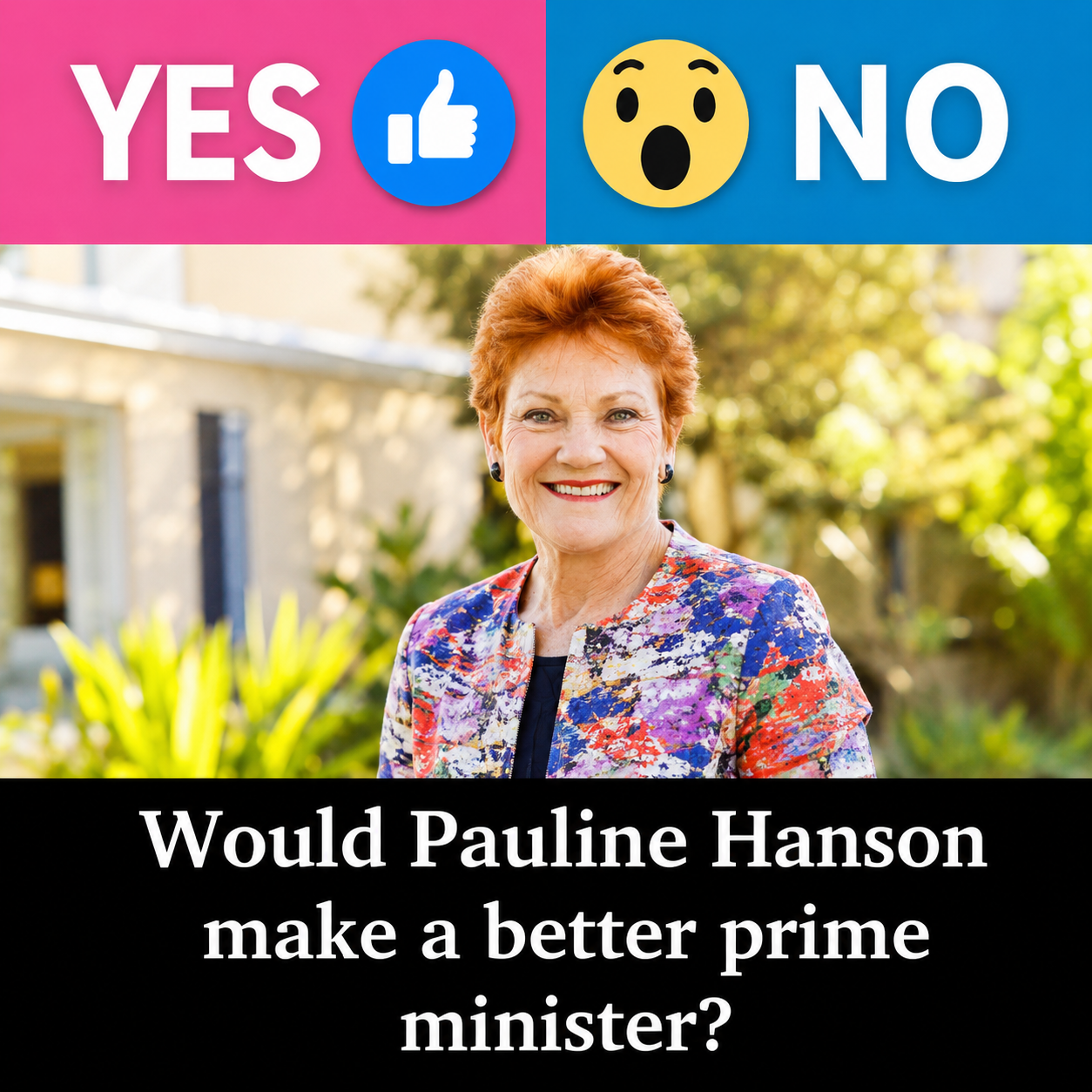
The poll also revealed a striking result that has attracted significant attention. Respondents were more likely to view One Nation as being ready to govern than the Coalition, highlighting growing concerns about the opposition’s ability to present itself as a credible alternative government.
For many voters, the issue appears to go beyond personalities or political slogans. The result reflects a broader mood that has been building for several years as households grapple with rising living costs, housing affordability challenges and concerns about the direction of the country.
Australians continue to face pressure from multiple directions at once.
Mortgage holders have experienced years of elevated interest rates. Renters have watched housing costs climb across major cities and regional centres. Families are paying more for groceries, insurance, electricity and essential services than they were only a few years ago.
Against that backdrop, it is perhaps unsurprising that many voters are questioning whether the major parties are delivering solutions that match the scale of the challenges they face.
The housing crisis remains one of the most powerful drivers of political dissatisfaction.
For younger Australians, home ownership increasingly feels out of reach despite working full-time and earning reasonable incomes. Many believe the system now favours existing asset holders while making it harder for new entrants to establish themselves.
At the same time, renters continue to compete in tight markets where vacancy rates remain low and competition for available properties remains intense.
Housing concerns have become more than an economic issue. For many households they now represent a question about long-term security, family planning and future financial stability.
Cost-of-living pressures have added another layer of frustration.
While inflation has moderated from previous highs, many Australians say they are yet to feel meaningful relief in their weekly budgets. Everyday expenses remain elevated and wages have struggled to restore purchasing power lost during recent years.
Small business owners have also reported increasing challenges as consumer spending becomes more cautious. Higher operating costs, insurance expenses and compliance requirements continue to place pressure on many local enterprises.
These economic realities are shaping political attitudes.
Voters who may once have remained loyal to a major party are increasingly willing to consider alternatives if they believe traditional political approaches are failing to improve their circumstances.
That does not necessarily mean Australians have fully embraced any particular alternative movement.
Instead, the polling may reflect something more fundamental.
Many voters appear to be sending a message that patience is wearing thin.
They want clearer plans on housing affordability. They want lower financial pressure. They want practical solutions to rising costs rather than ongoing political arguments.
The result is particularly significant for the Coalition.
Historically, opposition parties have benefited when voters become frustrated with governments. Yet the latest findings suggest some Australians are not automatically turning to the Coalition as their preferred alternative.
Instead, a growing number appear willing to explore options outside the traditional two-party framework.
This trend mirrors political developments seen in several other Western democracies where voters have become increasingly sceptical of established parties and more willing to support outsider movements.
For Labor, the findings present a different challenge.
While the government remains in office, the poll suggests there is significant underlying frustration among sections of the electorate. Voters may not necessarily be abandoning Labor immediately, but many appear willing to consider alternatives if they believe promises on affordability and economic security are not being delivered.
The coming years could therefore become a critical test for both major parties.
Australians are likely to judge governments and oppositions less on ideology and more on practical outcomes. Questions around housing supply, energy prices, taxation, migration, infrastructure and public services are expected to remain at the centre of political debate.
Community safety is also becoming an increasingly important issue in many regions.
Voters are paying close attention to crime rates, policing resources and the effectiveness of policies designed to keep communities secure. Combined with economic concerns, these issues are helping shape broader perceptions of government performance.
Perhaps the most important message from the poll is not support for any one party.
Instead, it highlights a growing appetite for change.
Australians appear increasingly willing to reassess long-standing political loyalties if they believe doing so could improve their economic prospects and quality of life.
Whether that sentiment ultimately translates into electoral success for alternative parties remains uncertain.
What is clear is that many voters are looking beyond traditional political choices and asking a simple question.
If the current system is not delivering the outcomes they want, why not give someone else a chance?






