A simple question should have produced a simple answer.
Do you want house prices to go up or down?
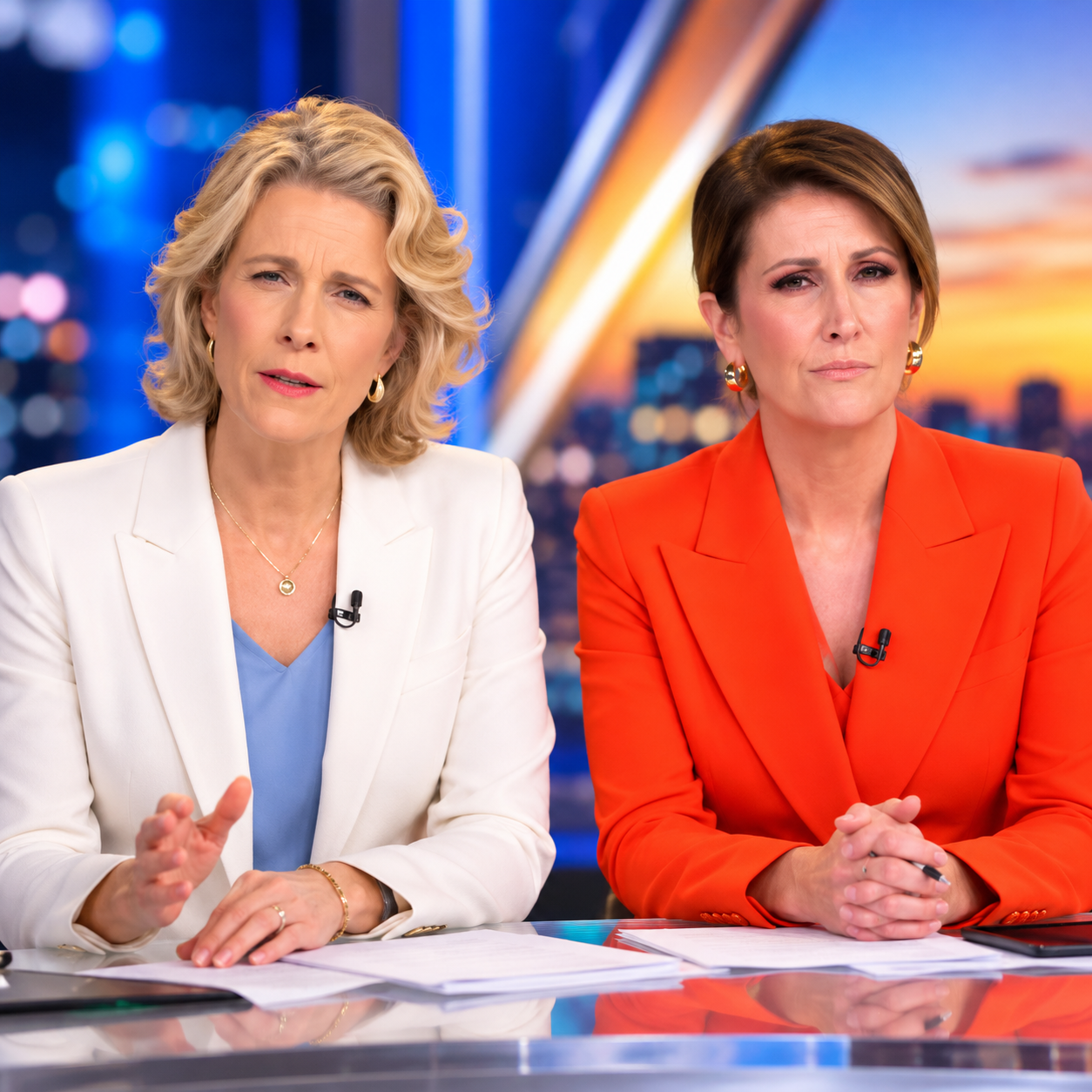
Instead, Housing Minister Clare O’Neil found herself under intense scrutiny after struggling to give a direct response during a heated television interview, reigniting a debate that sits at the centre of Australia’s housing crisis. The exchange quickly gained attention because it exposed a dilemma that governments have been trying to navigate for years: how do you make housing more affordable without damaging the wealth of millions of Australians who already own property?
At first glance, the question appears straightforward.
If housing affordability is one of the country’s biggest problems, many Australians assume lower prices would help. Yet governments rarely campaign on falling house prices. Property remains the largest asset held by millions of households, and a sharp decline would have consequences extending far beyond investors.
That is why the issue has become politically explosive.
Labor’s recent changes to capital gains tax and negative gearing have been promoted as part of a broader effort to improve housing affordability and increase opportunities for first-home buyers. The government argues that current tax settings have contributed to market distortions and that reforms are needed to improve fairness and housing access.
But those reforms have also triggered a question many ministers appear reluctant to answer directly.
If the policies work, what exactly happens to house prices?
Some government figures have acknowledged the changes could have a modest downward effect on prices, while others have emphasised that supply shortages remain the dominant driver of housing costs. Clare O’Neil herself has previously argued that the fundamental issue is the gap between the number of homes Australia needs and the number being built.
That position reflects a broader challenge facing Labor.
On one side are younger Australians who increasingly believe the housing market is stacked against them. Many have watched prices rise faster than incomes for years. Saving a deposit has become harder, rents have surged and home ownership rates among younger generations have fallen.
For these voters, the current system often feels unsustainable.
On the other side are millions of Australians whose financial security is tied directly to property values. Homeowners, retirees and investors have spent decades building wealth through housing. A substantial decline in prices could create financial stress, reduce household confidence and trigger broader economic consequences.
This is why politicians frequently talk about “sustainable” price growth rather than price falls.
The phrase has become common in housing debates because it attempts to satisfy both sides of the argument. Prices should not rise so quickly that first-home buyers are permanently locked out. Yet they should not collapse in a way that undermines household wealth and economic stability. Clare O’Neil has previously used this language when discussing housing policy.
The problem is that many voters no longer see sustainable growth as a clear answer.
When affordability is deteriorating, some argue that modest growth is still too much growth. Others counter that falling prices create risks that governments should avoid.
This disagreement helps explain why the minister’s interview attracted attention far beyond Canberra.
Australians are not simply debating housing policy anymore. They are debating competing definitions of fairness.
For a renter trying to enter the market, fairness may mean lower prices and less competition from investors.
For a family whose retirement plans depend on housing equity, fairness may mean protecting the value of assets accumulated over decades.
Both groups are significant voting blocs.
That political reality creates enormous pressure on any government attempting major housing reform.
Labor’s defenders argue that critics are oversimplifying a complex issue. They point out that no single policy determines housing affordability. Interest rates, migration, planning restrictions, construction costs, infrastructure and housing supply all influence prices.
Many economists also argue that supply shortages remain one of the most important structural challenges facing the market. Without substantially increasing the number of homes being built, affordability problems may persist regardless of tax changes.
Critics, however, argue that governments cannot continue avoiding direct answers.
They believe voters deserve clarity about whether the objective is slower growth, stagnant prices or actual declines. In their view, refusing to state a desired outcome creates uncertainty for households trying to make long-term financial decisions.
This is particularly relevant because housing is unlike most political issues.
For many Australians, it is not an abstract policy discussion. It influences where they live, how much debt they carry, when they can retire and what opportunities they can provide for their children.
As a result, even seemingly technical debates about tax settings can generate strong emotional reactions.
The government’s own messaging has occasionally reflected this tension. While Labor argues its reforms are designed to improve affordability, Prime Minister Anthony Albanese has also openly discussed slowing excessive house price growth rather than engineering a housing market collapse.
That distinction matters politically.
Most Australians support making housing more accessible. Far fewer support policies that could trigger significant losses in property values.
The challenge is that those objectives are not always perfectly aligned.
Every government eventually encounters the same dilemma. If prices continue rising rapidly, younger voters become increasingly frustrated. If prices fall sharply, existing owners become increasingly anxious.
There may be no answer that satisfies everyone.
What happens next will depend largely on whether Labor can convince voters that its reforms strike the right balance. Treasury modelling and government forecasts suggest the measures are intended to have a relatively modest impact rather than fundamentally reshape the market. Yet opponents continue to argue the long-term consequences remain unclear.
That is why the minister’s awkward interview moment matters.
It highlighted a question that sits at the centre of Australian politics in 2026.
Should house prices rise, fall or simply stop outrunning wages?
Until governments can answer that question clearly, the housing debate is unlikely to cool down. And with affordability, rents and cost-of-living pressures continuing to dominate household budgets, voters are likely to keep demanding a more direct response than the one they heard this week.






