Federal Parliament descended into chaos this week after Opposition Leader Angus Taylor launched a personal attack on Prime Minister Anthony Albanese during a fiery Question Time exchange.
The remark was quickly withdrawn following intervention from the Speaker, but the political fallout continued long after MPs left the chamber.
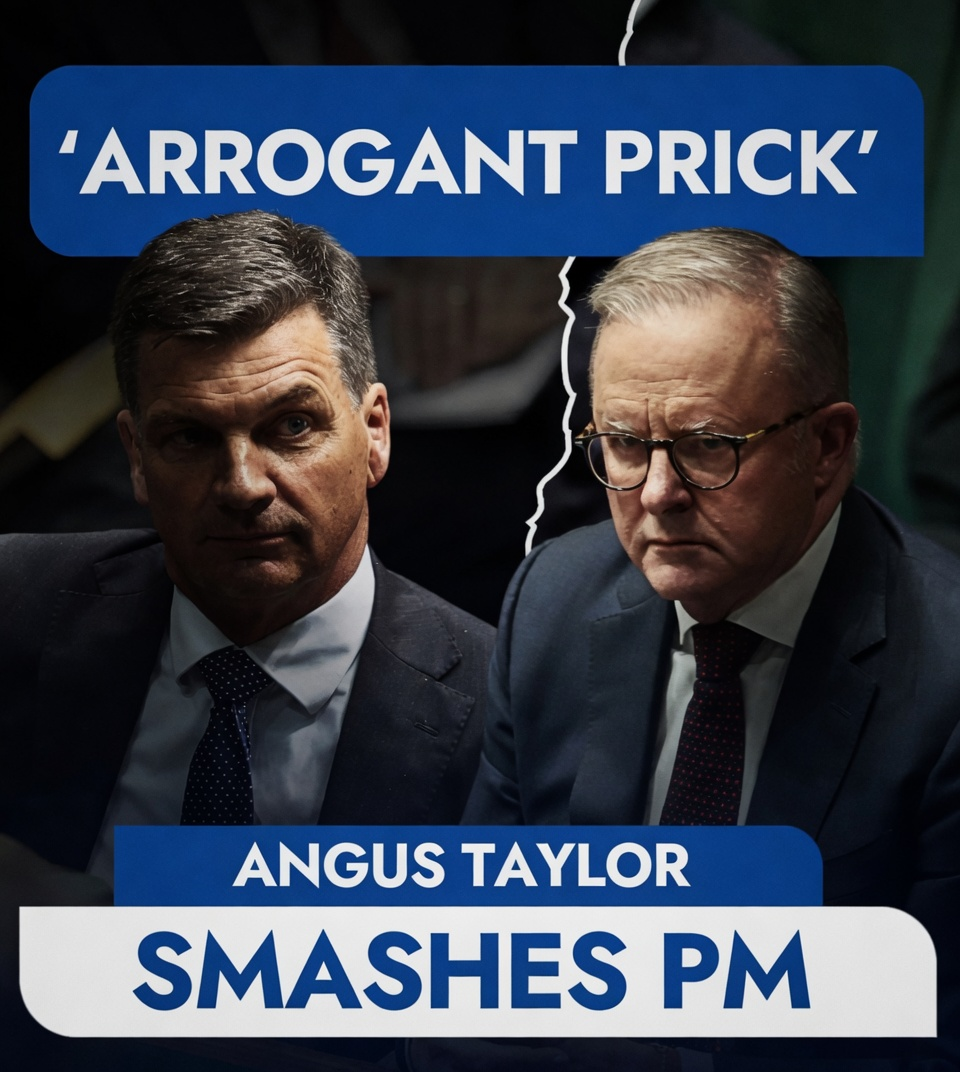
A heated parliamentary confrontation between Angus Taylor and Anthony Albanese has highlighted the increasingly aggressive tone of federal politics as economic pressures dominate the national conversation.
The clash erupted during debate over the government’s economic agenda, with tensions already running high across the chamber.
Question Time had been marked by repeated interruptions, loud exchanges and growing frustration from both sides before Taylor’s comment became the defining moment of the session.
Within minutes, the exchange was leading political news bulletins around the country.
For Labor, the incident provided an opportunity to accuse the opposition of losing discipline and relying on personal attacks instead of policy arguments.
Government MPs immediately seized on the remark, arguing it reflected growing pressure within Coalition ranks as they attempt to gain traction against the Albanese government.
The Coalition sees the situation very differently.
Since taking over the opposition leadership, Taylor has been working to present a more combative alternative to Labor, particularly on issues where voters continue expressing frustration.
Housing affordability remains a major concern.
Household budgets remain under pressure.
Energy costs continue to dominate political debate.
Those issues have become central to the opposition’s strategy.
The parliamentary confrontation reflected that broader campaign rather than a single moment of frustration.
Taylor and senior Coalition figures have increasingly focused their criticism on the Prime Minister personally, arguing the government has become disconnected from the concerns of ordinary Australians.
That message is expected to remain a key theme throughout the remainder of the parliamentary year.
The latest clash also demonstrates how rapidly political moments now travel beyond Canberra.
A generation ago, a heated exchange inside Parliament may have received limited attention outside political circles.
Today, video clips spread across social media within minutes.
Talkback radio programs discuss them throughout the day.
Television networks replay them repeatedly during nightly news coverage.
The result is that a single parliamentary moment can dominate political discussion far longer than the actual debate that triggered it.
Both major parties understand that reality.
Labor is attempting to keep public attention focused on its economic reforms and legislative agenda.
The opposition is working to frame the government as increasingly out of touch with voters facing financial pressure.
That battle is becoming more intense as economic issues continue driving public discussion.
The atmosphere inside Parliament reflects that pressure.
Recent sessions have seen increasingly heated exchanges over taxation, housing policy, government spending and migration.
Neither side appears willing to lower the temperature.
Instead, both parties are positioning themselves for a prolonged political contest that is likely to become more aggressive as major policy battles approach.
The significance of the latest confrontation is not simply the language that was used.
It is what the incident reveals about the direction of federal politics.
The opposition is clearly moving toward a more direct and confrontational style under Taylor’s leadership.
Labor is responding by portraying the Coalition as negative and increasingly focused on personality rather than solutions.
That political conflict is unlikely to ease soon.
Parliament is expected to return to debates over taxation, housing affordability and cost-of-living measures in the coming weeks, ensuring further clashes between the government and opposition.
After the events of this week, few observers expect those exchanges to become less heated.
If anything, the battle for political advantage appears to be entering a more aggressive phase.