The Australian political and economic landscape is currently bracing for a fair dinkum earthquake as the Albanese government prepares to hand down the 2026 federal budget this coming Tuesday.
In what is being described as a high-stakes gamble for the nation’s future, Treasurer Jim Chalmers will unveil a road map defined by global energy shocks, a trillion-dollar debt, and a severe cost-of-living crisis.
The May 12 budget has been hailed by Prime Minister Anthony Albanese as a document consistent with Labor values, but for many Aussie battlers, it looks like a total rort of pre-election trust.
With the national debt edging toward a staggering one trillion dollars, the Canberra bubble is under immense pressure to rein in public spending while simultaneously shielding families from a global recession.
Last month, the International Monetary Fund issued a severe warning that the ongoing war in Iran could trigger a total economic collapse if nations fail to manage their fiscal portfolios with extreme caution.
The Reserve Bank of Australia has delivered its own fair dinkum reality check this week, hiking interest rates to a fifteen-year high as it struggles to get a handle on out-of-control inflation.
Now, as the clock ticks down to budget night, the quiet Australians are waiting to see if the Treasurer’s promised sixty-four billion dollars in savings is a fair dinkum plan or just shonky accounting.
The Crushing Financial Pressure Of Broken Promises In The Suburban Real Estate Market
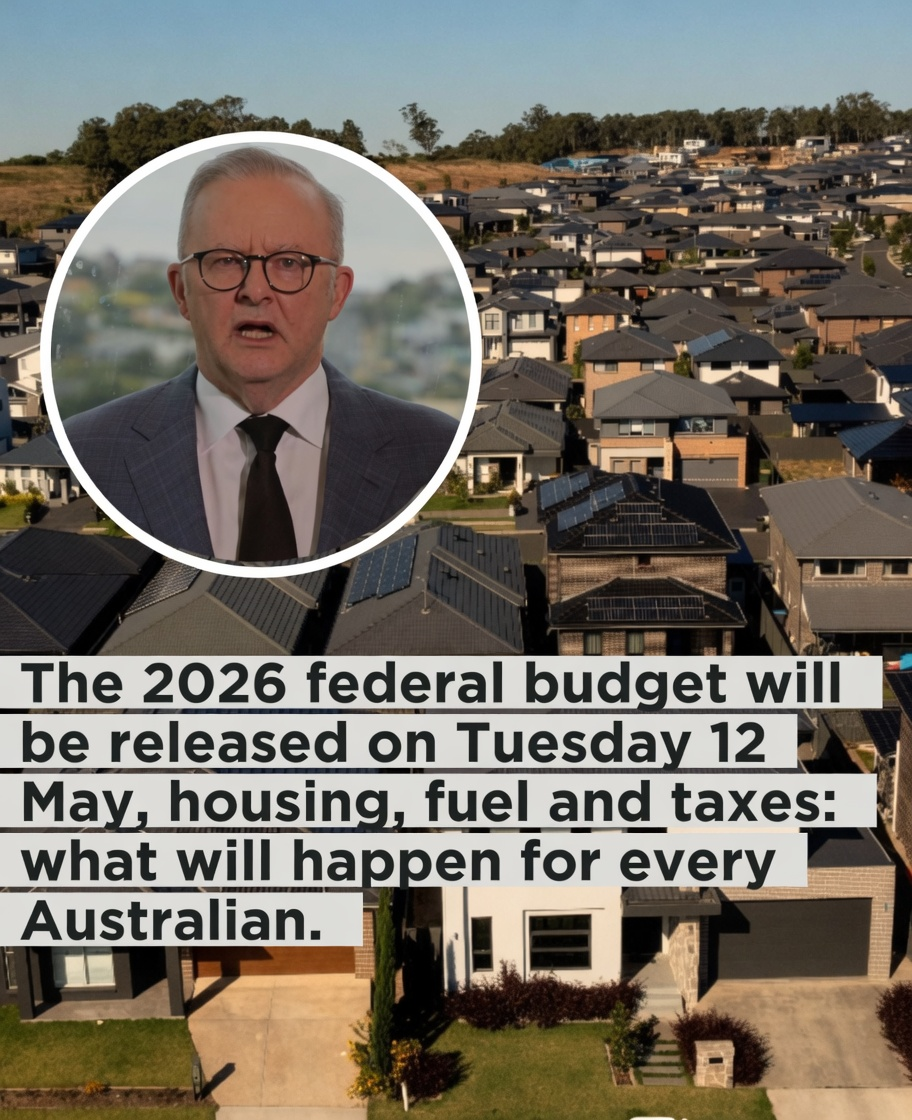
The 2026 federal budget is set to fundamentally reshape the Australian housing and tax landscape, testing the resilience of every mortgage holder in the country.
From an economic perspective, the most significant and controversial element of this budget is the reported backflip on property investment tax breaks.
Treasurer Jim Chalmers appears poised to axe the Capital Gains Tax (CGT) discount, a move that many believe will send the suburban real estate market into a fair dinkum tailspin.
The CGT discount, introduced by the Howard-Costello government in 1999, has long allowed property owners to pay lower tax on profits if they hold an asset for more than twelve months.
Scrapping this setting is being framed as an effort to tackle “intergenerational inequity,” but it represents a total betrayal of a key election promise made by the Prime Minister in 2025.
Alongside CGT changes, the government is also expected to wind back negative gearing, a policy that allows investors to deduct rental losses against their primary salaries.
For an Aussie battler who has done the hard yakka to secure an investment property for their retirement, this sudden policy pivot is an absolute shocker.
According to the latest data from the Australian Bureau of Statistics (ABS), over two million Australians own at least one investment property, many of whom are not the “wealthy elite” often targeted in Canberra rhetoric.
Real estate experts warn that changing these settings during a housing hell will likely force landlords to hike rents even higher to cover their skyrocketing mortgage repayments.
The ABS reveals that rental affordability is already at an all-time low, making this tax grab a significant risk to social cohesion in our major cities.
While the government claims these changes will be grandfathered, the uncertainty is already causing a fair dinkum freeze in property investment across regional Australia.
Taxpayers are rightfully asking why they are being slugged with new taxes while the government continues to splash billions on city-centric infrastructure projects.
The financial weight of this policy shift is borne by every family that was promised stability, only to find the goalposts moved in the middle of the night.
If the Treasurer wants to solve the housing crisis, he should focus on supply rather than shonky tax experiments that penalize those who play by the rules.
Evaluating The Staggering Ten Billion Dollar Gamble On National Fuel Security
Fuel security has emerged as a primary pillar of the May 12 budget, with the Prime Minister announcing a massive ten billion dollar package to bolster Australia’s resilience.
The ongoing conflict in the Middle East has sent ripples through the global oil market, making the price at the local servo an absolute nightmare for Aussie families.
A significant seven point five billion dollars will be directed toward financial support for fuel and fertilizer supply, including loans, equity, and shonky-sounding insurance guarantees.
Furthermore, three point two billion dollars will fund an onshore fuel security reserve capable of holding approximately one billion litres of critical energy supplies.
The government is also raising the minimum stockholding obligation to fifty days, a move that follows intense pressure from the Coalition to double our critical reserves.
From an economic standpoint, the cost of energy is the number one driver of inflation, making this ten billion dollar spend a fair dinkum necessity for national security.
However, the hard yakka of building new expanded refinery capabilities will require co-funding from state jurisdictions that are already struggling with their own debt loads.
The ABS shows that transport and communication costs are the second largest expenditure for Aussie households, and any failure to secure fuel will hit the bush the hardest.
Wait until the full impact of these energy rorts is felt in the logistics and agriculture sectors, as farmers look for a fair go amidst skyrocketing input costs.
Aussie battlers want a government that focuses on sovereign manufacturing and food independence, not one that remains a hostage to economic turmoil overseas.
The total rort of relying on international supply chains for our basic survival is finally being addressed, but the price tag is an absolute shocker for the national accounts.
Taxpayers deserve to know if this ten billion dollars will actually lower the price of petrol or if it’s just another Canberra bubble safety net for big energy corporations.
The High Stakes Battle For Stability Between The RBA And The Canberra Bubble
One of the most delicate balancing acts in this budget is the proposed one-off stimulus dubbed the “earned income offset” of up to three hundred dollars.
While an extra three hundred bucks in the pocket might sound like a win at the checkout, RBA Governor Michelle Bullock has delivered a severe warning about its impact.
The Governor noted that federally-subsidized cost-of-living relief makes it fair dinkum harder to dampen demand and bring the inflation beast under control.
When the government gives with one hand and the central bank takes with the other through mortgage hikes, the quiet Australians are the ones who get caught in the middle.
According to recent RBA forecasts, inflation is stickier than expected, requiring a fair dinkum commitment to fiscal restraint that the Treasurer seems unwilling to provide.
The forcing from government spending on projects like the three point eight billion dollar Suburban Rail Loop East in Melbourne is adding to the demand pressure.
The ABS reveals that household savings have collapsed to recessionary levels, yet the Canberra bubble continues to dream up new ways to spend other people’s money.
From a fiscal perspective, injecting more cash into the economy while we are running up against capacity constraints is a questionable strategy that could lead to stagflation.
Wealth management firms and superannuation funds are watching this budget with intense interest, as any further rate hikes will tank the value of national investment portfolios.
The hard yakka of rebuilding the economy requires productivity and genuine tax reform, not shonky one-off offsets designed to win a news cycle.
Quiet Australians want a government that listens to the experts at Martin Place rather than the activists and lobbyists in the nation’s capital.
No more rorts, no more spin, and no more ignoring the hard economic truths of what it takes to maintain a stable currency in a volatile world.
The Significant Ripple Effect Of Fifteen Billion Dollars In NDIS Cuts
In a move that has sent shockwaves through the social services sector, Minister Mark Butler has announced a sweeping fifteen billion dollar reduction in NDIS funding.
The reforms are designed to target “scheme inflation” and crack down on eligibility requirements that have allowed the cost of the program to skyrocket.
By the end of the decade, the government expects to have removed approximately one hundred and sixty thousand people from the NDIS registry.
While the Minister insists this isn’t a budgetary decision, the fact remains that the program has become a massive financial load that the federal budget can no longer carry.
The ABS shows that organization-led rorts and organized crime have been targeting the NDIS for years, bleeding the taxpayer dry while genuine participants struggle.
The hard yakka of cleaning up the scheme is a necessary step, but for the thousands of families facing the loss of support, this is a severe and frightening reality.
At the same time, the government is pouring one point eight billion dollars into Medicare Urgent Care Clinics, despite reports they are five times more expensive than standard GPs.
The Royal College of General Practitioners has fair dinkum questioned the value of these clinics, labeling them as a costly way to address a problem that requires a better GP network.
This divergence in health spending highlights a questionable pattern of prioritizing “flagship” optics over the basic infrastructure of our suburban health system.
Taxpayers are essentially paying for a shonky model of care while their local doctor’s office is being forced to close due to a lack of funding.
The financial pressure on the national health budget is reaching a breaking point, making the May 12 announcements a fair dinkum test of the Treasurer’s competence.
We need a health and disability strategy that is both tough on rorters and fair to those who actually need the help to live a decent life.
The Long Road To Reclaiming National Sovereignty Through Defence And Industry
As the Canberra bubble prepares for the big night, the 2026 National Defence Strategy has revealed a massive fifty-three billion dollar increase in spending over the next decade.
This significant investment in our national security is being funded partly by the sale of valuable military land, a move that has raised its own fair dinkum questions about long-term planning.
Aussie battlers understand the need for a strong defense, especially given the global volatility caused by the Iran war and the shifting power dynamics in our northern neighborhood.
However, the hard yakka of building a modern military force requires a level of sovereign manufacturing that Australia has fair dinkum lost over the last thirty years.
The ABS data reveals that our manufacturing sector is a shadow of its former self, making us dangerously reliant on shonky international supply chains for critical defense equipment.
We need a national infrastructure and industry policy that puts the Aussie worker at the center of the Southern Cross, creating jobs and security for our kids.
The Suburban Rail Loop East project in Melbourne, receiving six billion dollars in total federal funding, is being sold as a “game changer,” but critics worry about the shonky blowouts in tunnel costs.
Wait until the first round of budget audits is made public before deciding if these massive infrastructure spends are fair dinkum investments or just political legacy projects.
The resilience of our nation is found in the people who work the land and build the cities, not in the bureaucratic machines that manage the decline from Canberra.
As the federal budget approaches, the eyes of the nation will be on Jim Chalmers to see if he has the spine to tell the truth about the national debt.
No more rorts, no more excuses, and no more ignoring the hard yakka required to keep Australia the lucky country it used to be.
The battle for the soul of our economy is won when the government works for the people, not for the activists and the shonky lobbyists in the nation’s capital.
Stay tuned as we continue to track the impact of these massive spending decisions on your mortgage, your milk, and your future security.
Because at the end of the day, a federal budget is a bill that every single Australian family is being forced to pay for decades to come.
The Aussie battler deserves a government that stands up for the Southern Cross, puts Australia first, and rejects the shonky rorts of the global elite.
The hard yakka continues, but the message from the suburbs is fair dinkum clear: we want our country back, and we want an honest budget that reflects our reality.
It’s time to stop the rot and put the security and stability of our communities first, no more shonky excuses, just fair dinkum results for all.
The future of the lucky country is in your hands, not in the hands of the Canberra bubble that has failed us for too long.
Make sure you’re ready for the fallout on May 12, as the Aussie battler finds out exactly how much Albo’s broken promises are going to cost them.
Hard yakka is the only way forward, and we’ll be right there to call out the rorts whenever we see them in the hallowed halls of Parliament House.
Stay loud, stay proud, and never stop demanding the truth from those who claim to lead us.