The Australian energy landscape is bracing for a fair dinkum shake-up as fresh details emerge of a federal plan that will see every household footing the bill for the nation’s electric vehicle transition.
In a move that has sparked significant outrage among traditional motorists, the Albanese government is backing a proposal to charge families without electric cars to fund a massive new charging network.
Under this questionable new model, electricity networks would be allowed to levy a fee on every single household connection to accelerate the rollout of public EV chargers across the country.
The government insists the financial hit will be minimal, with estimated peak bill impacts ranging between seventy-nine cents and one dollar forty-four per household every year starting from 2029.
While the dollar amount might sound small to the elites in the Canberra bubble, the principle of forcing petrol and diesel drivers to subsidise a technology they don’t use is being labeled an absolute shocker.
Critics argue that at a time when the cost-of-living crisis is already pushing Aussie battlers to the brink, any additional levy on essential utilities is a severe blow to the family budget.
The Hidden Cost Hitting Every Aussie Power Bill Regardless of Your Ride
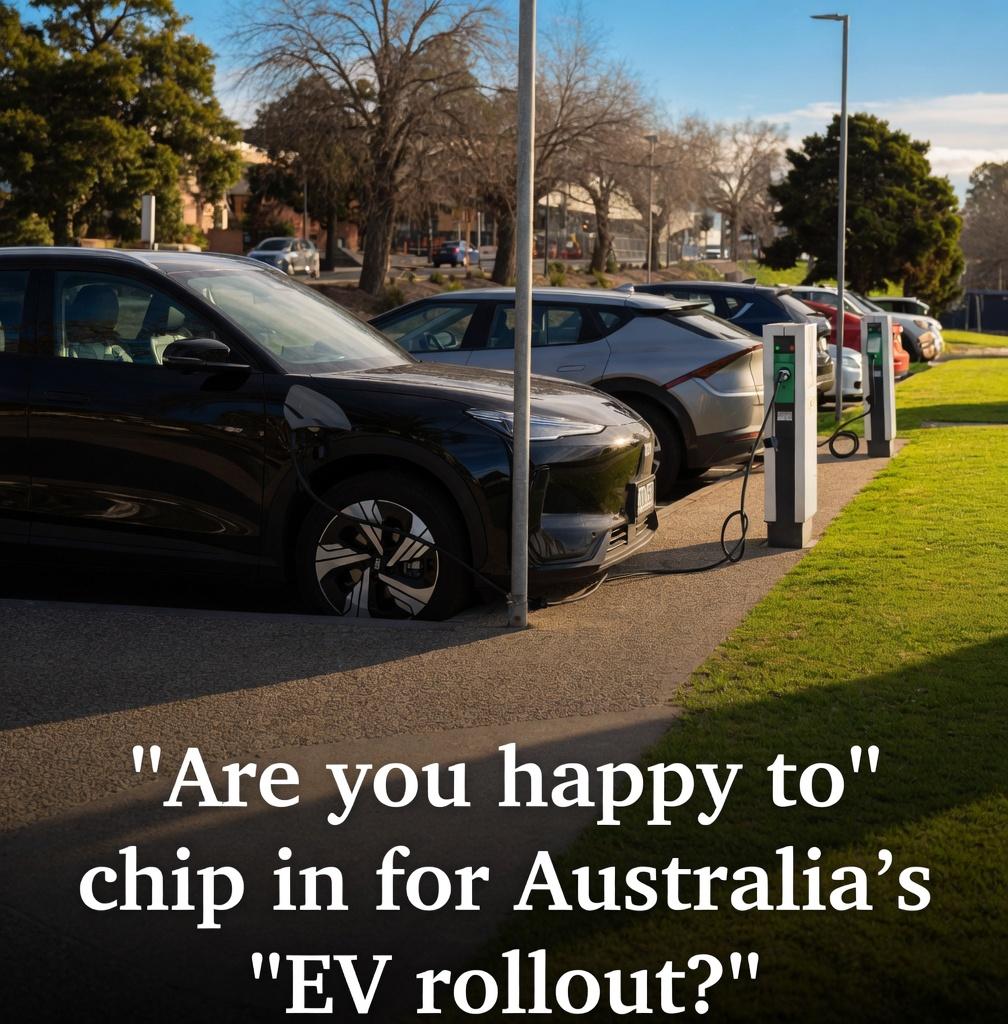
The proposed plan to fund 14,000 new chargers will see even those without an EV paying a portion of the infrastructure costs through their electricity bills.
The push for this taxpayer-funded expansion comes as the current charging network fails to keep pace with the doubling of EV sales over the last twelve months.
Private operators have been slow to invest in regional areas and suburban side streets where the commercial returns are seen as questionable or even non-existent.
To bridge this gap, the government wants to allow regulated electricity monopolies to step in and identify sites, effectively adding the costs to the regulated asset base paid for by all consumers.
From an economic perspective, spreading the cost of EV infrastructure across the entire population is a significant departure from the user-pays principle that usually governs transport.
According to the latest data from the Australian Bureau of Statistics, electricity prices have already surged by double digits in several states, making any new fee a fair dinkum concern.
For a family in regional Australia doing the hard yakka to keep the lights on, being asked to pay for a charger they may never use feels like a total rort of their trust.
The ABS reveals that household energy stress is at a record high, particularly in the outer suburbs where the reliance on traditional internal combustion engines remains a necessity.
By adding these costs to the general electricity bill, the government is essentially hiding a new transport tax inside a utility bill that every Aussie is forced to pay.
Taxpayers are rightfully asking why the multi-billion dollar profits of energy companies aren’t being used to fund this infrastructure rather than slugging the quiet Australians.
The hard yakka of building 14,000 new chargers is a monumental task, but the funding mechanism behind it is raising severe questions about market competition and fairness.
Industry groups like the National Electrical and Communications Association have warned that giving networks this power could actually slow down the transition in the long run.
If electricity networks are allowed to control the pace and location of chargers, they could effectively lock out private competitors who are trying to offer a fair go to consumers.
The severe pressure on the average taxpayer is becoming unbearable as the Canberra bubble continues to dream up new ways to spend other people’s money for environmental optics.
Why Regional Areas and Suburban Side Streets are Triggering a Provider of Last Resort Crisis

The proposed plan includes a provider of last resort clause, which allows electricity networks to build and operate sites if no private company steps forward.
While this sounds reasonable on paper, energy consultants at Nexa Advisory warn that the devil is in the detail and the implementation could be a total disaster for competition.
Stephanie Bashir, chief executive of Nexa, noted that the rule change appears to be picking sides and granting the big networks too much leeway over the market.
There is a significant risk that the very networks pushing for these fees are the ones currently acting as a barrier to the rollout by charging private operators shonky connection fees.
The quiet Australians deserve a transparent and competitive market where the cost of charging is driven down by innovation, not propped up by a mandatory levy on everyone else.
The ABS shows that transport and communication costs are the second largest expenditure for Aussie households, and this policy threatens to make both more expensive.
Wait until the full impact of these regulated assets is felt on the quarterly electricity bill before deciding if the dollar estimate is fair dinkum or just another Canberra spin.
History shows that these types of minimal impacts often blow out once the shonky accounting of the energy retailers and distributors is taken into account.
The hard yakka of transitioning the national fleet to electric power should be market-led, ensuring that those who benefit from the technology are the ones who pay for it.
Instead, we are seeing a situation where the Aussie battler is being forced to subsidise the luxury choices of the inner-city elite who are the primary adopters of EVs.
Economically, this is a massive transfer of wealth from the suburbs and the bush into the high-income enclaves where EVs are most popular.
The financial load of building these chargers will fall on every Australian, regardless of whether they own a second-hand Toyota or a brand new Tesla.
Aussie battlers want a government that focuses on lowering prices at the bowser and the meter, not one that finds new ways to add shonky fees to the bottom of the bill.
The 14,000 new chargers are a noble goal, but the funding should come from the massive revenue the government already collects from fuel excise and corporate taxes.
No more rorts, no more excuses, and no more ignoring the quiet Australians who are tired of being the ATM for Canberra’s fever dreams of a green utopia.
The hard yakka starts now to ensure that the energy transition is fair for everyone, not just for those who can afford a hundred-thousand-dollar electric car.
We will be closely monitoring the progress of this proposal through the regulatory process and reporting on the real-world impact on your electricity bill.
The future of the lucky country depends on a stable and affordable energy market that respects the individual rights of every citizen to choose how they live and move.
Stay tuned as we bring you the latest developments from the front lines of the Australian economic and energy landscape.
Because at the end of the day, you shouldn’t have to pay for someone else’s fuel, no matter how many chargers they want to build in the city.
Competition Fears Grow as Power Networks Eye Off New Monopolies
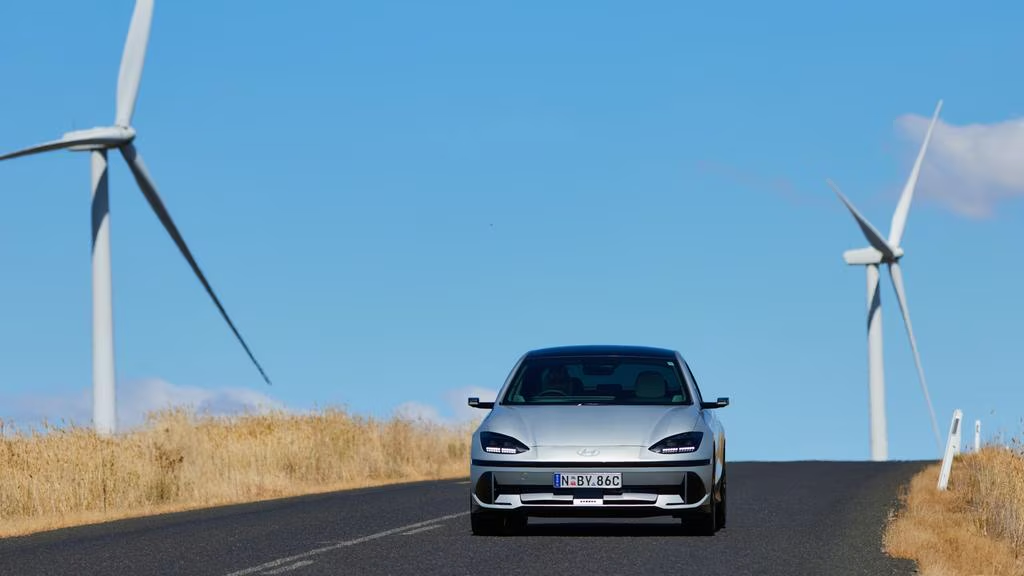
The involvement of electricity networks in the charging market is a double-edged sword that could slice deep into the wallets of every Aussie battler.
Mark Stedfu from the National Electrical and Communications Association argued that the main barrier to the rollout is the networks themselves.
These big utility companies have a track record of questionable delays and shonky cost structures that make it nearly impossible for small Aussie businesses to compete.
Giving them the right to identify sites and prepare them for installation is like putting the fox in charge of the hen house in the middle of the night.
The ABS data reveals that small and medium enterprises are already struggling with soaring overheads, and this policy could squeeze them out of the emerging EV market.
Taxpayers are essentially subsidising a monopoly play that will likely lead to higher prices for everyone in the long run.
The Canberra bubble is obsessed with net-zero targets, but they seem to have forgotten that a fair go requires a level playing field for all participants.
If we allow the big networks to socialise the costs of their infrastructure, we are rewarding inefficiency and penalising the hard yakka of private innovators.
The quiet Australians in regional towns are already paying the price for decades of under-investment in our grid, and now they are being asked to fund city-centric chargers.
It is a fair dinkum shocker that the government is picking winners in the market rather than letting consumers decide where the value lies.
The financial strain on households is real, and every extra dollar on a power bill is a dollar taken away from groceries or the mortgage.
We need a migration and infrastructure strategy that reflects the reality of our vast continent, not just the needs of the inner-city cycle lanes.
The resilience of our regional communities depends on reliable and affordable energy, which is being threatened by these shonky new levies.
Wait until the first round of network charges hit in 2029 to see if the government’s promise of a minimal hit holds any water at all.
The Aussie Dream shouldn’t include being forced to pay for your neighbor’s fancy new car charger through your own lights and fridge.
The hard yakka of building a better Australia starts with being honest about who pays the bills and why the major parties keep avoiding the tough questions.
No more spin, no more rorts, and no more ignoring the battlers who keep this country running while the Canberra elite plays with their green fantasies.
Every decision made by the Albanese government on energy policy will be scrutinised by a public that has reached its breaking point over costs.
The fight for a fair and affordable electricity market is just beginning, and we are right behind the battlers every step of the way.
It is time to stop the rot and put the interests of the Australian people before the lobbyists of the big utility networks.
Defending Choice in a Nation Already Buckling Under Cost of Living Pressures
Australia has always been a nation that values the freedom to hit the open road without being slogged with unfair taxes on the way.
This EV charger network plan is essentially a back-door tax on mobility that treats the petrol-driving public like an endless source of revenue.
The ABS shows that over eighty per cent of Australian households still rely on traditional vehicles for their daily hard yakka and family duties.
Ignoring the concerns of this vast majority is a questionable political strategy that could lead to a significant backlash at the next federal election.
The quiet Australians are watching closely as their electricity bills are weaponised to force a social shift that many simply cannot afford to join yet.
Aussie battlers want a government that focuses on the here and now—lowering prices at the pump and making sure the lights stay on without breaking the bank.
The 14,000 new chargers are a noble goal, but they should be built with private capital that takes the risk and earns the reward, not taxpayer-backed guarantees.
The resilience of our nation is found in the people who work hard and play by the rules, not in the shonky deals made behind closed doors in the Canberra bubble.
No more excuses about emission targets being a reason to rip off the average family who is already struggling to pay for their kids’ school shoes.
The hard yakka starts today to demand a fair dinkum energy policy that respects the choices and the wallets of every single Australian citizen.
The future of the lucky country depends on a government that is both honest about the costs and fair in its distribution of the national wealth.
Stay tuned as we continue to track the impact of these massive infrastructure decisions on your wallet and your national security.
Because at the end of the day, a fair go is only fair if everyone gets to keep what they’ve earned without being slogged for someone else’s lifestyle.
The Aussie battler deserves nothing less than a fair crack at a stable and affordable future in their own suburbs and regional towns.
Let’s make sure our voices are heard loud and clear before the next round of shonky utility fees are signed off by the elites.
It’s time to stop the rot and put Australia first, once and for all.
The battle for your power bill is happening right now, and the stakes for your mortgage and your mobility have never been higher.
Make sure you’re ready for the fallout, because the Aussie battler is about to find out exactly how much this green transition is going to cost them.
The hard yakka of protecting our standard of living never ends, and this is just the latest chapter in a long story of Canberra over-reach.
Stay informed, stay loud, and don’t let them tell you that a dollar here and a dollar there doesn’t matter in the real world.
Fair dinkum, it’s about time someone stood up for the people who actually pay for the lights to stay on in this country.