Independent Senator David Pocock has been banging on about gas taxes for years without much luck in the Canberra bubble.
But everything changed the moment he compared the price of a cold one at the pub to the billions made from offshore gas exports.
A simple 57-second clip of Pocock grilling a government official has now racked up nearly 10 million eyeballs on Instagram.
The viral shocker forced a confession that Australia’s offshore gas tax raises less revenue than the national tax on beer.
It was a fair dinkum lightbulb moment that reached an audience far beyond the usual political junkies.
Suddenly, the “forgotten” issue of gas royalties exploded into a digital wildfire of rage-bait and demands for a 25 per cent export tax.
Pocock correctly guessed that every Aussie battler knows how expensive beer is and how much gas we’re shipping overseas.
The online traction was so massive it spooked the federal government and sent gas producers into a multi-million-dollar counter-offensive.
To keep the pressure on, Pocock raised over $130,000 in a heartbeat to plaster the cause on billboards across the country.
Politicians arriving at Canberra Airport for the federal budget will find his message staring them right in the face.
The momentum is so unprecedented that seasoned political staff are seeing discounted advertising offers rolling in for the first time in 20 years.
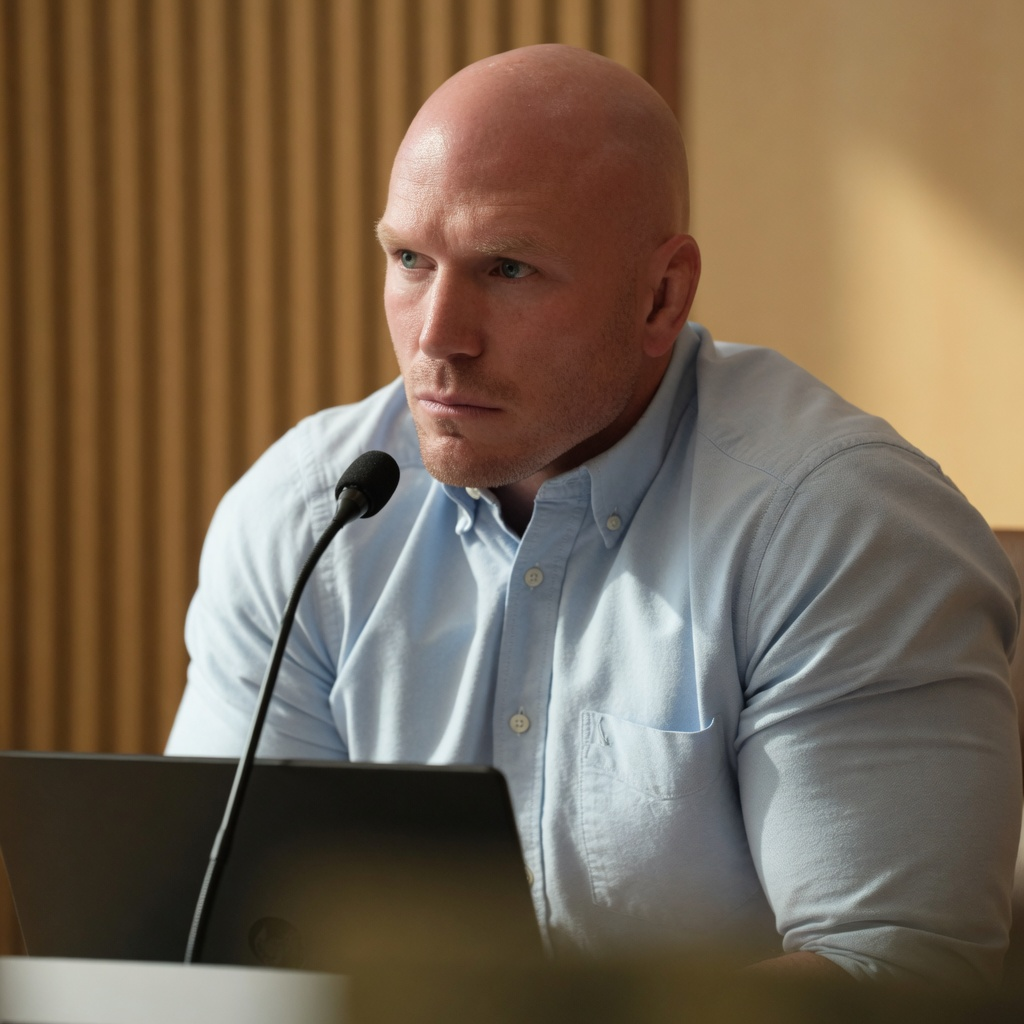
Algorithm Warfare: David Pocock’s comparison of gas and beer taxes has caused an absolute shocker for the Albanese government.
School teacher-turned-influencer Konrad Benjamin, known as Punter’s Politics, has joined the slog to take down the big end of town.
His videos mock the gas industry and cite research from The Australia Institute claiming a windfall tax could boost coffers by $17 billion a year.
This “scrappy” digital campaign has united voters from the Greens to One Nation in a way that is beyond the pale for major parties.
The oil and gas giants aren’t sitting idly by while their reputations take a gut-punch on social media.
Shell Australia and other players have tipped $1 million each into a war chest for an advertising blitz to counter the “misleading” claims.
Konrad Benjamin isn’t bothered, openly laughing that the gas giants “suck at social media” despite their massive bank accounts.
Pocock’s interest was originally piqued by the book *Trillion Dollar Baby*, which details how Norway turned gas into a national fortune.
He now believes the battle for the hearts and minds of Australians is being won by those who are laying it bare.
Even other influencers are jumping on the “gas hack” to feed the insatiable appetite of the social media algorithm.
While Pocock sponsors Benjamin’s pass to parliament, they insist no shonky money is changing hands between them or the think tanks.
The industry is desperately fighting back with smoke and mirrors, pointing to $22 billion paid in taxes and royalties annually.
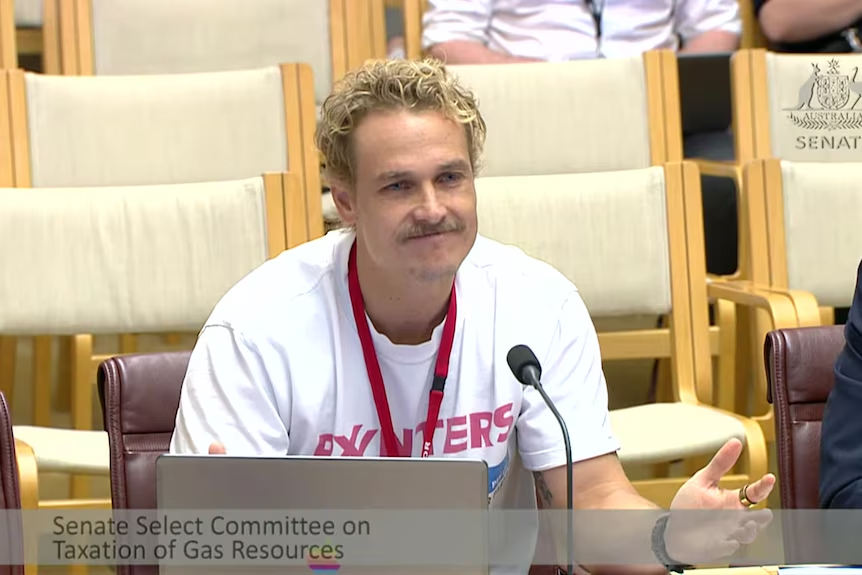
Prime Minister Anthony Albanese has officially killed off any hopes for a gas tax hike in the upcoming budget.
He warns that threatening the gas industry could put the nation’s fuel supplies in a total stitch-up, especially with the Iran war looming.
Albanese points to his previous PRRT reforms as proof he’s already putting in the miles for the taxpayer.
But the haunting indictment remains that the government had already asked Treasury to model windfall tax options behind closed doors.
Internal views within the cabinet were mixed, but the Pocock campaign made it politically difficult to rule out the tax flatly.
Konrad Benjamin has sent a bloody outrage warning to the PM: if the gas tax isn’t in the budget, he will work for an electoral defeat.
With 570,000 followers, the influencer says he will make Albanese “pay the price” for ignoring the willpower of the people.
The deception that we need to protect gas profits to ensure supply is being called out as a whopper by the salt-of-the-earth public.
The hard yakka of extracting our resources shouldn’t mean the profit stays with multinationals while Aussies pay high prices for a pint.
Australian Energy Producers spent over $270,000 on Meta ads in 90 days to try and pull a swiftie on the public’s perception.
The Australia Institute matched them with $175,000 to keep the pro-gas tax message alive and kicking.
The absolute shocker for the Canberra bubble is that a 57-second video has more cut-through than a thousand-page policy document.
The redistribution of political power is happening on our screens, and the gas giants are struggling to keep up with the slog.
Pocock is winning the battle of “hearts and minds” because he’s using straight talk that every Aussie understands.
The government’s pre-budget modeling leaves the door ajar for the future, but the pressure today is an absolute hammer blow.
Democracy is messy, and when an influencer warns a Prime Minister of electoral defeat, you know the stakes are sky-high.
The Southern Cross shines on a nation that is sick of being treated like a cash cow for global energy firms.
The grit shown by these “scrappy” campaigners is a reminder that you don’t need a million-dollar PR firm to win a fair dinkum fight.
Enough is enough; the Australian public wants to see their resources benefit the many, not just the big end of town.
The haunting indictment of our tax system is that beer is a more reliable revenue earner than the massive gas exports of our North West.
Albanese might have officially killed the tax for this budget, but the headache caused by one 57-second video will last for years.
The willpower of the “Punter’s Politics” crowd won’t be silenced by the industry’s smoke and mirrors counter-campaign.
Justice for the taxpayer must be fair dinkum, and the battle over the gas vs beer tax is far from over.
The Southern Cross guides those who have the grit to challenge the shonky status quo of resource taxation in this country.
The hard yakka continues for David Pocock as he prepares to meet the politicians at the airport with his billboard blitz.
This is a whopper of a political mess that won’t be fixed with just another media release or a dodgy industry ad.
The cold hard truth is that the public has smelled blood in the water, and they won’t stop until they get their fair share.






