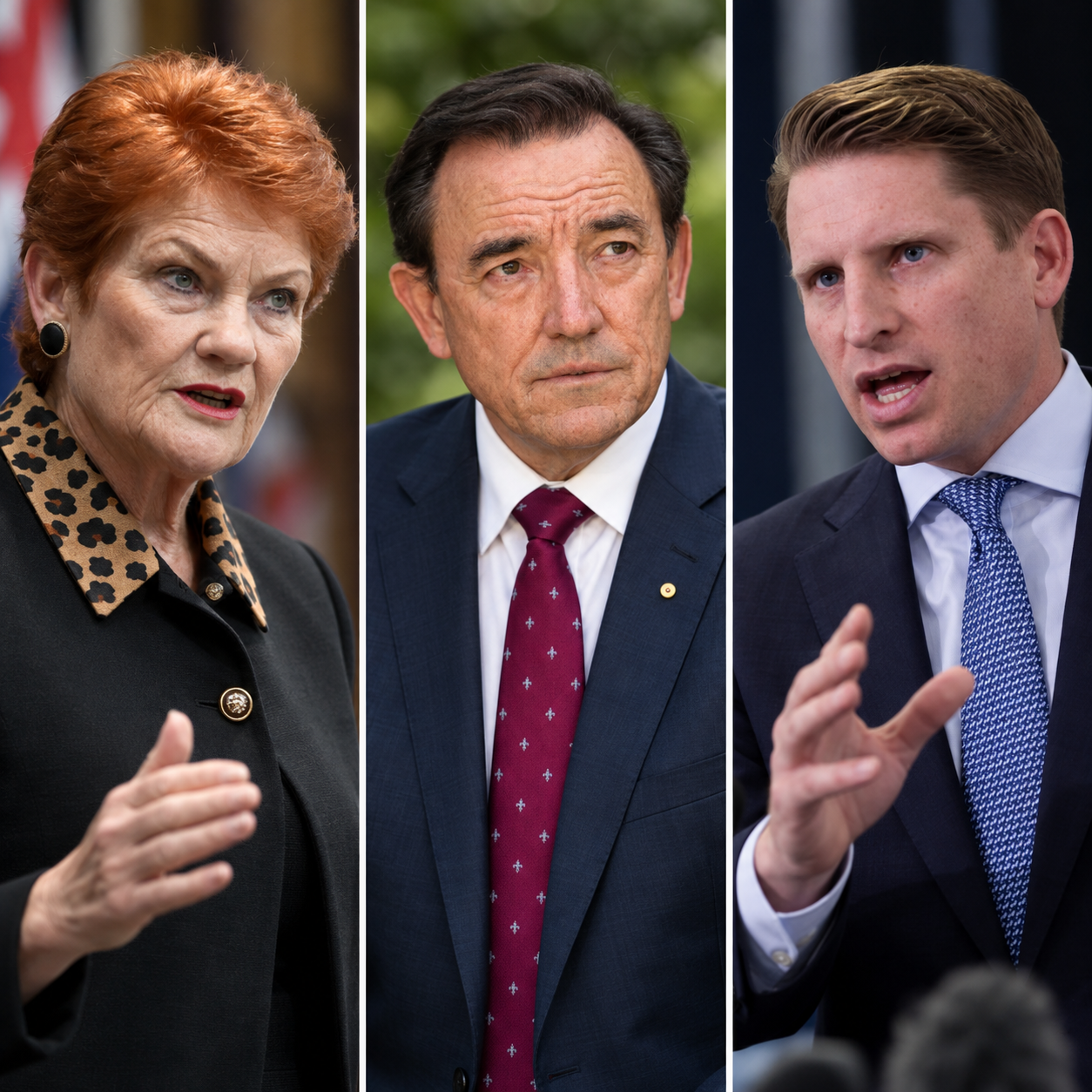
Australian politics is currently experiencing one of its most dramatic transformations in recent memory. Following the 2025 federal election, where Anthony Albanese’s Labor Party secured a strong victory, the landscape has shifted rapidly. Recent polls from early 2026 show Pauline Hanson’s One Nation surging in popularity, often rivaling or surpassing the major parties on primary vote share. Meanwhile, the Labor government faces criticism over perceived weak leadership, and the Coalition (Liberal-National) grapples with internal divisions, including a leadership change and a split that has weakened its position.
This seismic shift raises questions about voter dissatisfaction, the rise of populist sentiments, and what it means for the future of Australian governance ahead of the next federal election (likely in 2028). In this article, we examine the latest polling data, key factors driving these changes, and potential implications.
The 2025 Election Aftermath: A Starting Point
In May 2025, Labor under Albanese won a decisive mandate, with a primary vote around 34-35% and a comfortable two-party preferred (2PP) lead. The Coalition, led at the time by figures like Peter Dutton previously and then transitioning, polled lower, while One Nation achieved about 6.4% in the House of Representatives. The Greens held steady, and independents/others captured protest votes.
Post-election, however, economic pressures, cost-of-living concerns, immigration debates, and social issues have eroded Labor’s honeymoon period. The Coalition’s internal turmoil—including a January 2026 split involving the Nationals and leadership changes from Sussan Ley to Angus Taylor—has further fragmented the right-wing vote.
Recent Polling Data: One Nation’s Dramatic Rise
February 2026 polls indicate a profound realignment. One Nation has surged from single digits to consistently polling in the mid-to-high 20s on primary votes, often placing it second nationally or even neck-and-neck with Labor.
- In a DemosAU poll (February 16–20, 2026, sample 1,551), One Nation reached 28% primary vote (up 4% from January), just one point behind Labor at 29% (down 1%). The Coalition sat at 21% (steady), Greens at 12% (down 1%), and Others at 10%. Seat projections estimated One Nation winning 43–54 seats, far outpacing the Coalition’s 9–20.
- A Fox & Hedgehog poll (February 17–19, sample 1,625) showed Labor at 30% (up 1%), One Nation at 25% (up 4%), Coalition at 24% (down 1%), and Greens at 12% (down 2%). Labor led One Nation 51–49 on 2PP.
- Guardian Essential poll (late February 2026) revealed nearly 60% of Australians open to voting One Nation: 25% “definitely” and 33% “open,” with only 28% saying “never.” This included support from nearly half of current Labor voters. Primary votes were stable: Labor 30%, Coalition 26%, One Nation around 22% in some aggregates.
- Roy Morgan (February 16–22, sample 1,649) had Labor at 31% (down 1%), Coalition at 24% (up 0.5%), One Nation at 20.5% (down 1%), Greens 12.5%. Labor led Coalition 54.5–45.5 on respondent-allocated 2PP.
Aggregates from sources like Poll Bludger and Wikipedia’s polling compilation show One Nation averaging around 24-26% in recent surveys, often ahead of the Coalition’s 20-24%. This marks the fastest rise for any party in modern Australian polling history.
Why Is One Nation Surging?
Several factors explain One Nation’s momentum:
- Voter Discontent with Majors: Many former Coalition voters, frustrated by infighting and perceived moderation on issues like immigration, have shifted right. Polls suggest One Nation draws from Nationals’ base (whose vote has halved in some surveys) and disaffected Labor supporters on cultural/economic grounds.
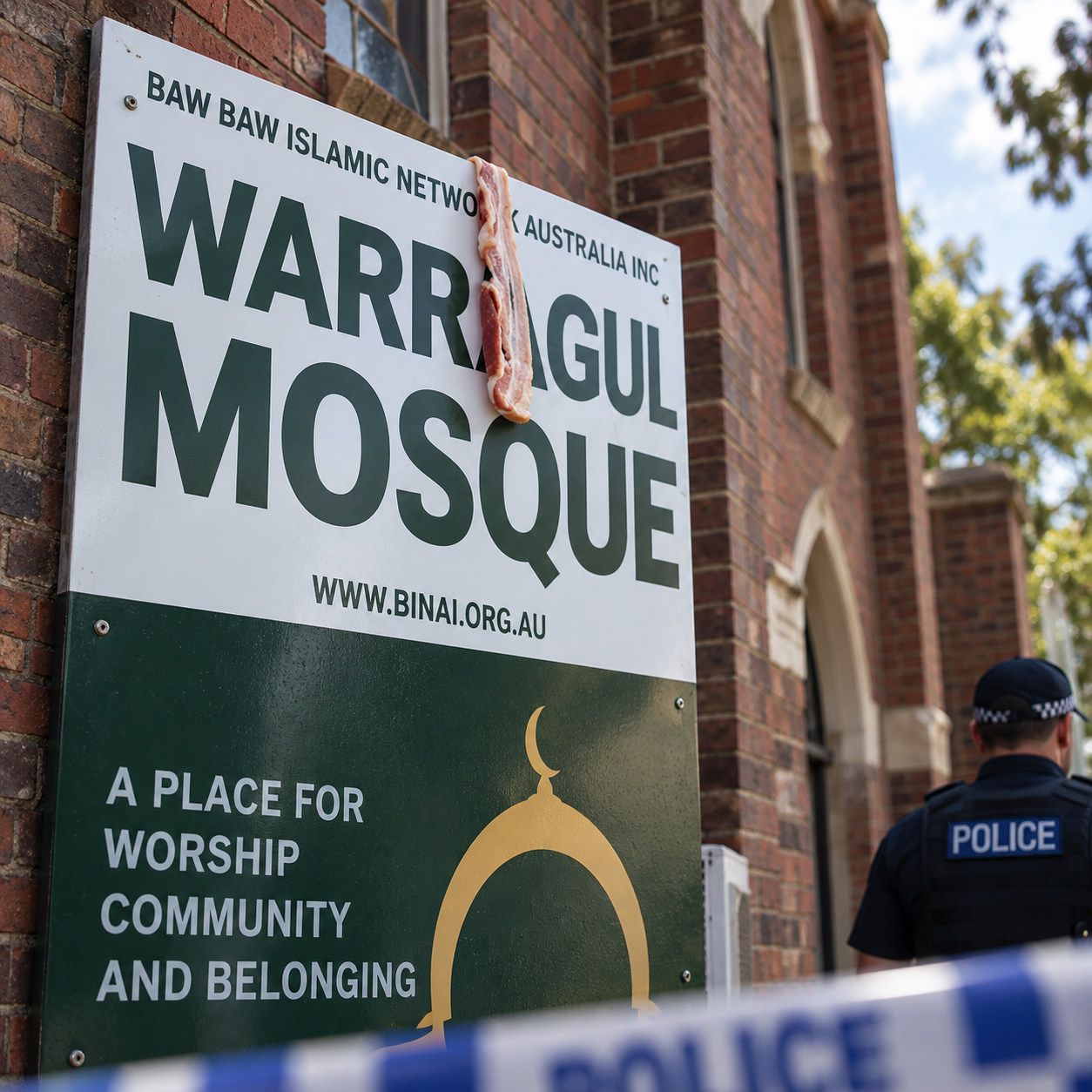
- Immigration and Cultural Issues: Events like the Bondi terror attack aftermath and debates over multiculturalism have boosted anti-immigration rhetoric. Pauline Hanson’s comments on related topics, while controversial, resonate with a segment feeling “cultural anger and loss,” as noted in analyses comparing it to Nigel Farage’s Reform UK.
- Economic Pressures: Cost-of-living, inflation, and housing remain top concerns. One Nation positions itself as a “put Australia first” alternative, appealing to regional and working-class voters.
- Demographic Shifts: Recent data shows One Nation popular among women (29% in one breakdown) and in states like Queensland and New South Wales.
- Leadership Perceptions: Pauline Hanson’s net approval has improved (e.g., near neutral in some polls), while Albanese’s has declined (net negative around -15 to -17, approval 29-32%).
Labor’s Challenges: Weak Leadership Claims
Albanese’s approval has slipped amid perceptions of ineffective handling of economic issues and social divisions. In three-way preferred PM questions, he leads (e.g., 37% vs. Hanson’s 25% and Taylor’s 19%), but his net ratings reflect frustration. Labor retains a 2PP edge in most polls (50-54%), thanks to preference flows from Greens and others, but primary vote erosion signals vulnerability.
Coalition’s Infighting and Decline
The Coalition’s primary vote has collapsed to historic lows (18-24% combined in some polls), exacerbated by the Nationals’ split and leadership turmoil. New leader Angus Taylor shows minor gains in some surveys, but One Nation overshadows the opposition on the right.
What Does This Mean for Australian Politics?
This fragmentation challenges the traditional two-party system. A right-wing vote split could hand Labor advantages on 2PP despite lower primaries. However, if One Nation sustains momentum, it could win dozens of seats, potentially becoming a major force or kingmaker.
Comparisons to international populism (e.g., Reform UK) suggest structural discontent, not just temporary protest. With over two years until the next election, dynamics could shift, but current trends indicate a more multiparty landscape.
Voters appear to express frustration with a system they see as failing on key issues. Whether One Nation translates polls into seats depends on organization, preference deals, and responses from majors.
Australian politics is undeniably in flux, with One Nation’s rise the most striking element. Monitoring polls and policy responses will be crucial as the nation heads toward the next electoral test.
(Word count: approximately 1,450)