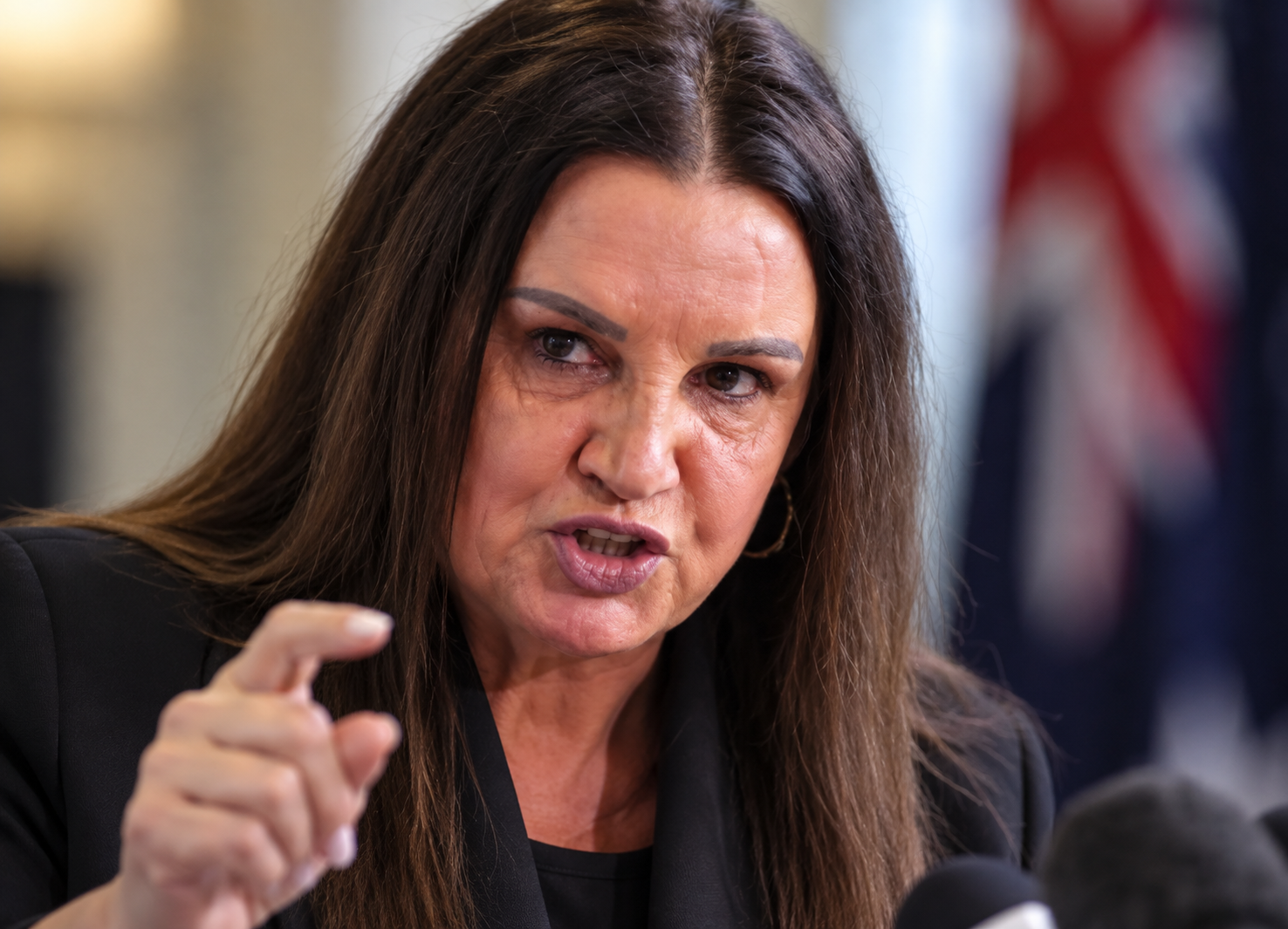
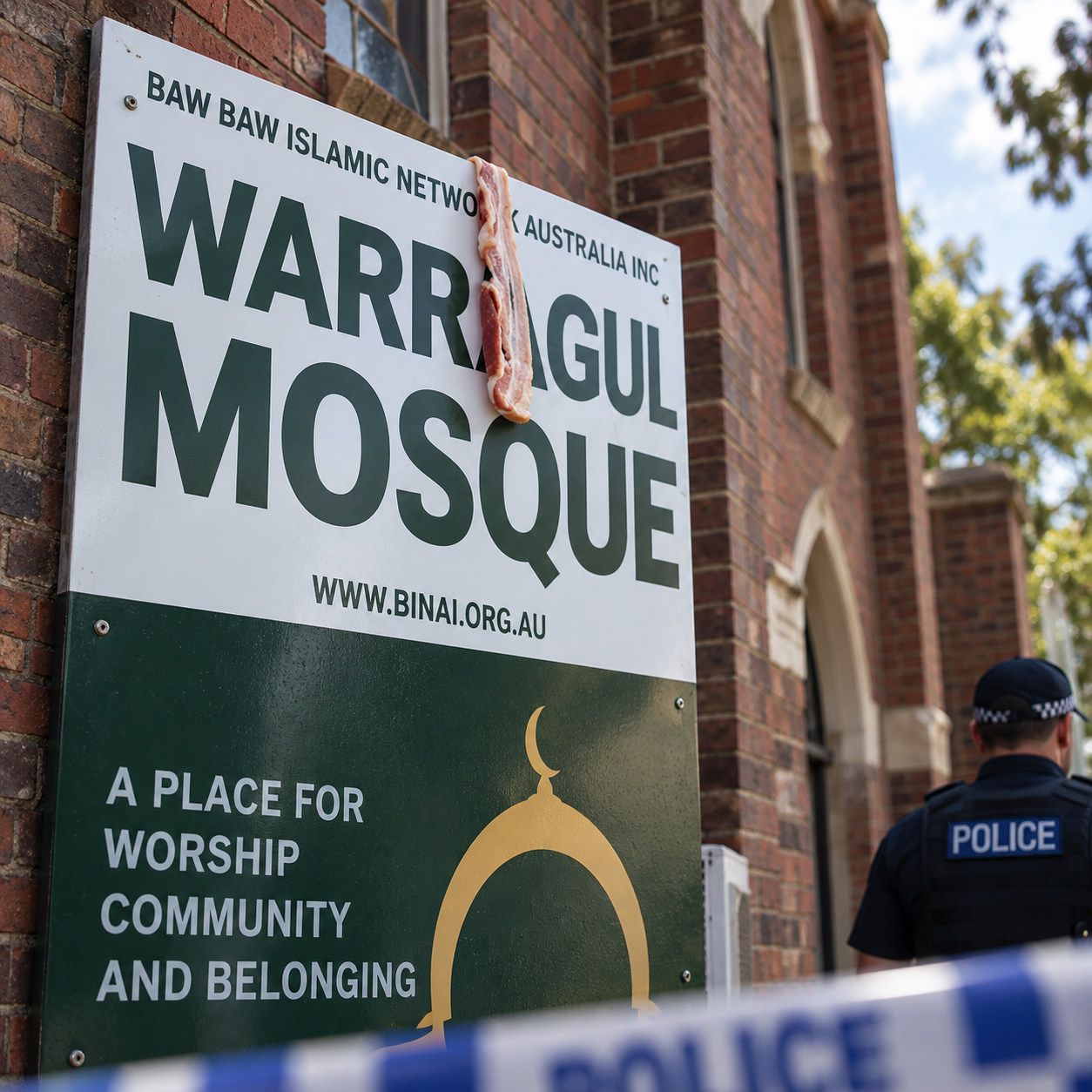
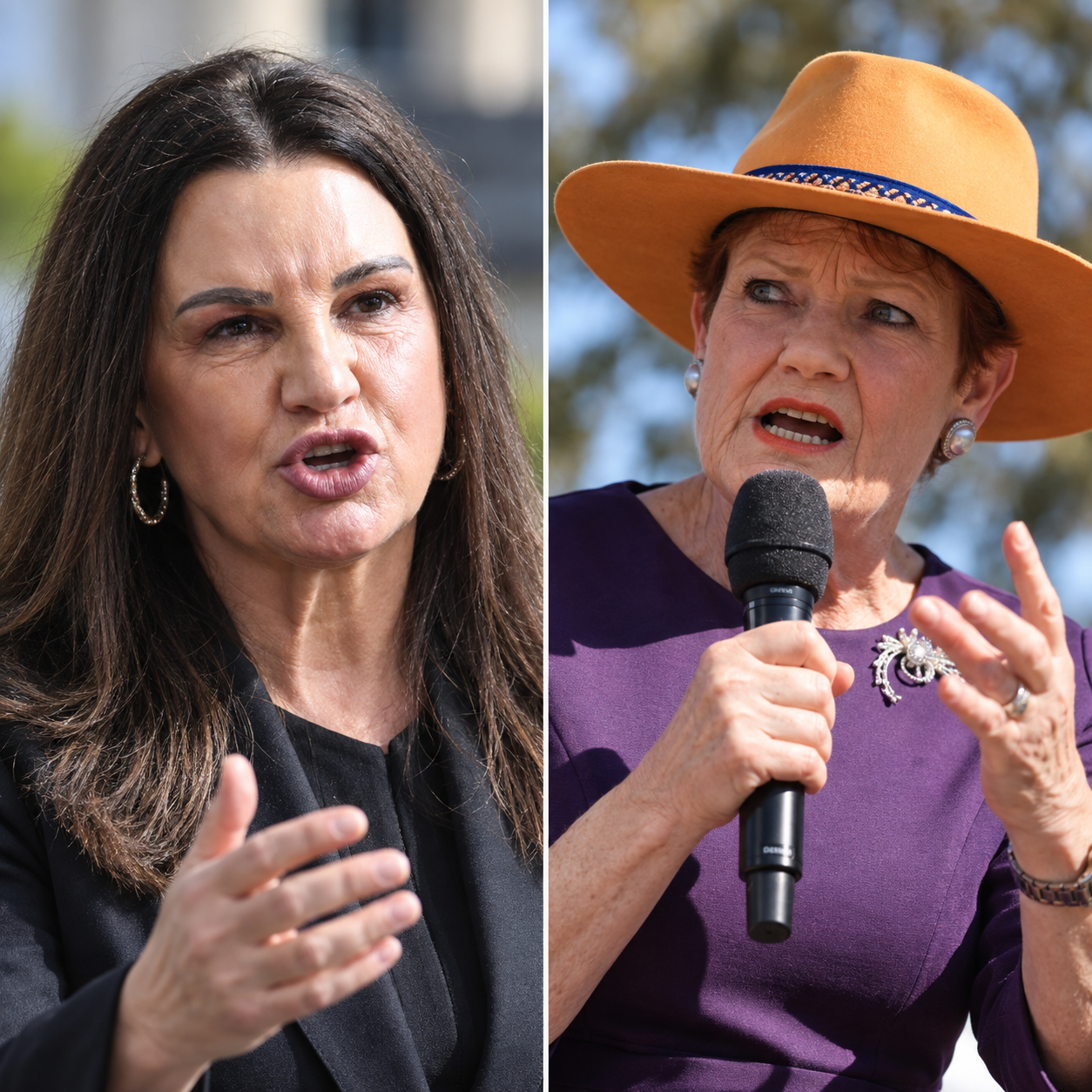
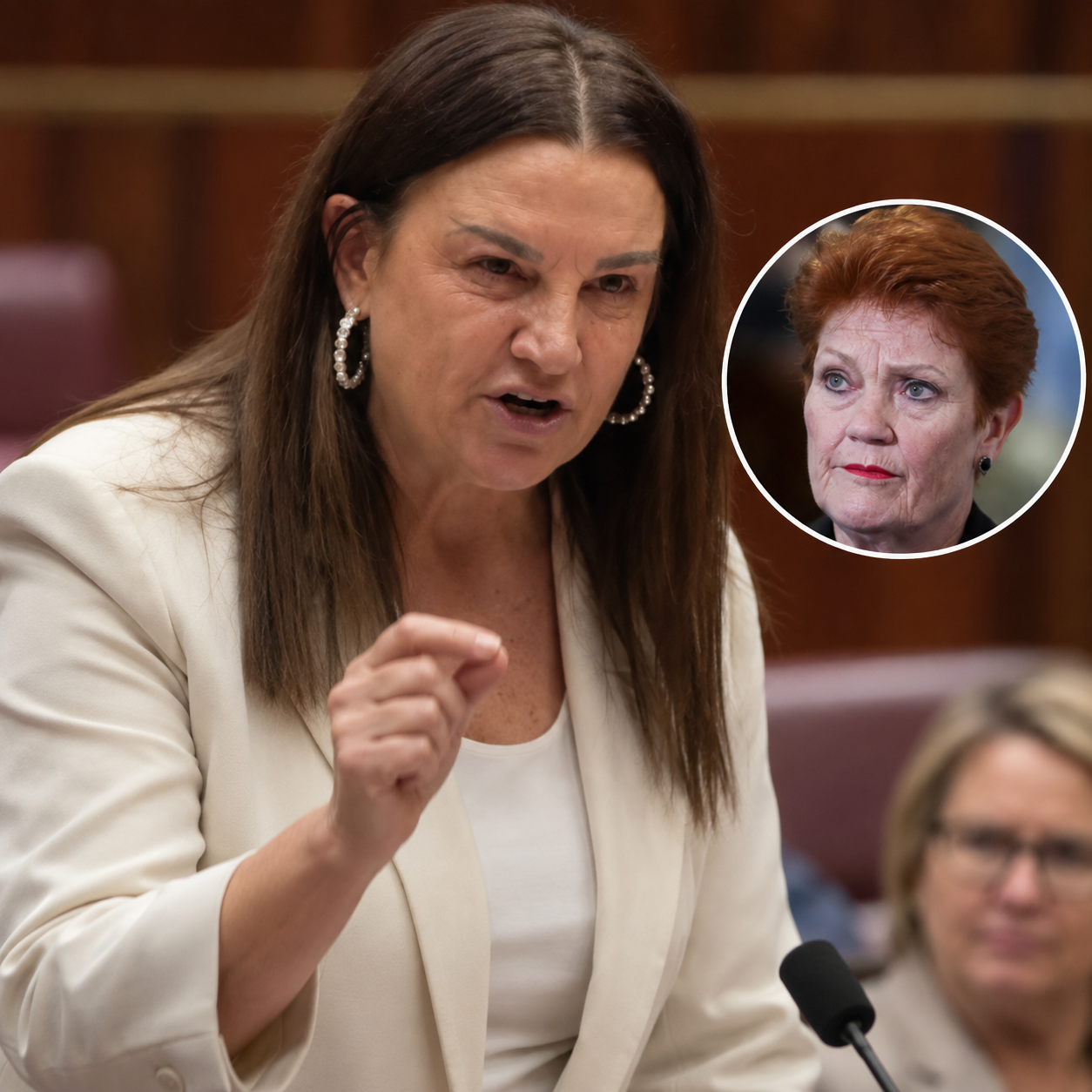
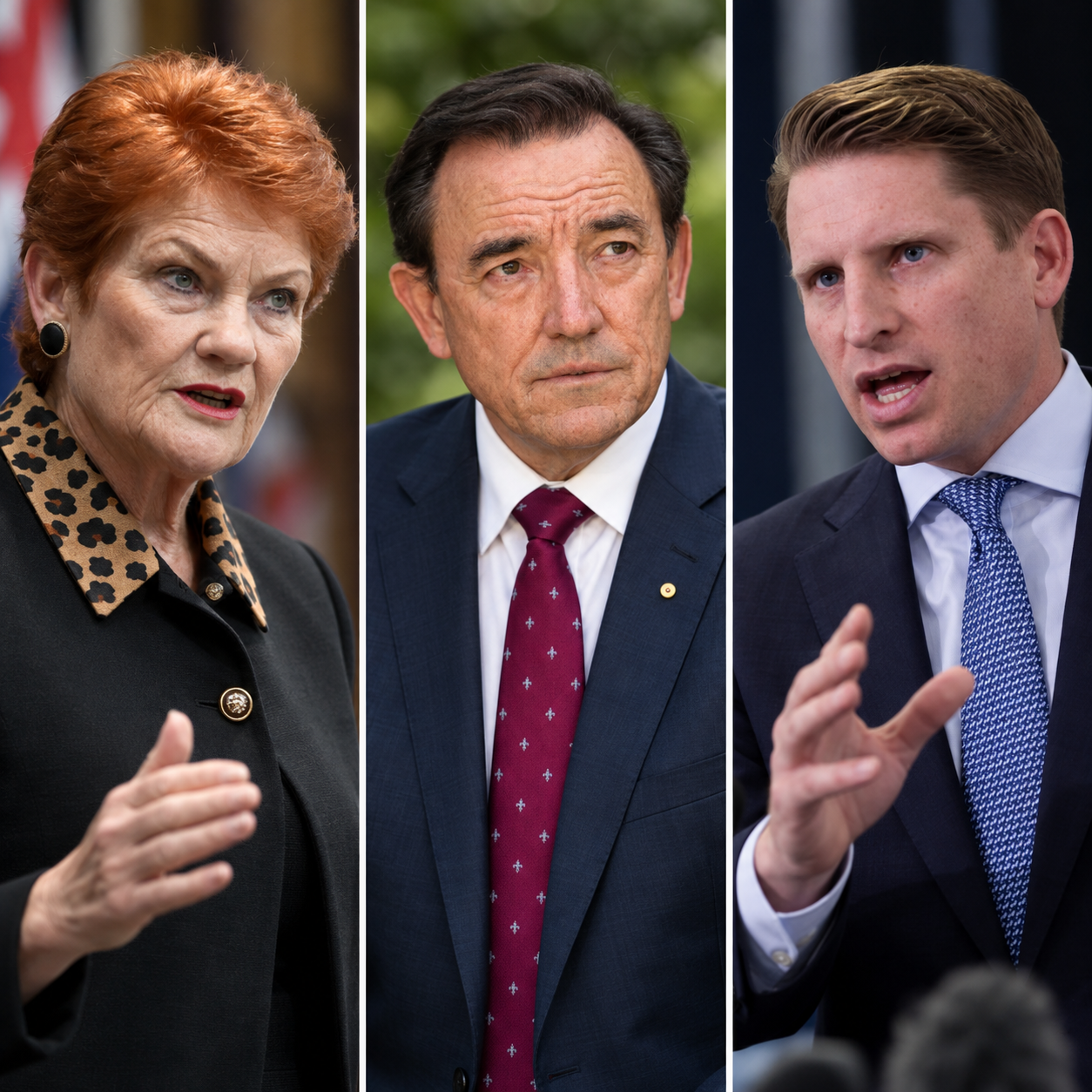
Australia’s cultural and political fault lines have once again come into sharp focus following remarks by commentator Peta Credlin, who publicly supported Pauline Hanson’s long-standing position advocating restrictions on burqas in public spaces. Speaking during a media appearance and later expanding on the topic via her podcast, Credlin framed the issue as extending beyond national security, arguing it also touches on women’s rights, integration, and the preservation of liberal democratic values.
Her comments have sparked a fresh wave of discussion across political, legal, and community circles, underscoring how debates surrounding religious attire remain deeply complex and emotionally charged.
The Context: A Familiar but Unsettled Issue
The burqa debate is not new to Australia. It has periodically resurfaced over the past decade, often triggered by high-profile parliamentary protests, terrorism-related security concerns, or broader global discussions about secularism and multiculturalism.
Hanson has consistently argued that full-face coverings pose practical and symbolic challenges, citing:
- Identification difficulties
- Security considerations
- Social integration concerns
Credlin’s intervention, however, has reignited attention by amplifying a different dimension of the conversation — the interpretation of the burqa as a marker of gender inequality and ideological extremism.
Credlin’s Argument: Beyond Security
In her remarks, Credlin emphasized that while security risks are frequently cited in policy discussions, they do not fully capture the scope of the issue.
She argued that the burqa represents:
- A gender rights concern – questioning whether full-face coverings align with principles of equality and personal autonomy
- A cultural integration challenge – highlighting perceived barriers to social interaction
- An ideological symbol – suggesting connections to conservative interpretations of Islam
Credlin’s framing echoed themes increasingly visible in European political discourse, where debates over religious attire have intersected with broader concerns about social cohesion and national identity.
Media Amplification and Public Reaction
Coverage of Credlin’s statements quickly spread across television segments, online platforms, and social media. Supporters praised her for addressing what they describe as “uncomfortable but necessary conversations.”
Critics, however, accused her of reinforcing stereotypes and contributing to stigmatization of Muslim communities.
Reactions broadly fell into three categories:
Supportive Voices
- Argued that discussions about women’s rights within cultural practices are legitimate
- Viewed the burqa as incompatible with Western liberal norms
- Applauded Credlin for backing Hanson’s position
Opposing Perspectives
- Emphasized religious freedom protections
- Warned against conflating attire with extremism
- Argued bans disproportionately affect Muslim women
Moderate/Analytical Responses
- Acknowledged complexity of balancing rights and security
- Highlighted diversity of views among Muslim Australians
- Called for evidence-based policymaking
Carlson Tonight and the Internationalization of the Debate
Credlin’s comments also gained attention due to references made during international media discussions, including comparisons to debates aired on programs such as Tucker Carlson Tonight. These parallels illustrate how controversies over religious attire have become transnational, often shaped by global narratives about migration, secularism, and identity politics.
Political communication analysts note that international framing can intensify domestic reactions, particularly when Australian issues are discussed within polarized foreign media environments.
The Legal Landscape: Religious Freedom vs Public Policy
Australia’s legal framework complicates calls for blanket bans. Constitutional and statutory protections surrounding religious expression mean that any restrictions must pass rigorous scrutiny.
Legal experts highlight key considerations:
- Proportionality – Is a ban necessary and justified?
- Non-discrimination – Does it unfairly target a specific group?
- Public interest – Are security benefits demonstrable?
Previous proposals for burqa bans have struggled to gain legislative traction, partly due to these constitutional safeguards and concerns about unintended consequences.
Women’s Rights: A Central but Contested Dimension
Credlin’s emphasis on gender equality has drawn both support and criticism from feminist commentators.
Supportive Feminist Viewpoints
Some argue that full-face coverings can reflect patriarchal pressures in certain contexts and that open debate is warranted.
Critical Feminist Perspectives
Others caution against imposing external interpretations on women’s choices, stressing agency and the dangers of state intervention in personal attire.
Muslim women’s advocacy groups frequently emphasize diversity of experience, noting that motivations for wearing the burqa vary widely, including:
- Religious conviction
- Personal identity
- Cultural belonging
Security Considerations: Symbolism vs Evidence
Security arguments remain central to policy debates, though experts caution against oversimplification.
Authorities have previously noted that identification challenges posed by face coverings can be addressed through targeted procedural measures rather than sweeping prohibitions.
Security analysts stress:
- Lack of consistent empirical evidence linking attire bans to reduced threats
- Importance of community trust in counter-extremism strategies
- Risks of policies perceived as discriminatory
Multiculturalism and Social Cohesion
Australia’s multicultural framework is built on coexistence, legal equality, and mutual respect. Critics of bans argue that restrictions on religious attire risk undermining these principles.
Supporters counter that social cohesion requires shared norms of visibility, communication, and civic participation.
Sociologists point out that both narratives draw from legitimate concerns:
- Integration challenges
- Cultural preservation anxieties
- Minority rights protections
Political Strategy and Ideological Signaling
Observers suggest that high-profile commentary on the burqa often carries strategic political implications.
For Hanson, the issue reinforces her brand as a critic of mainstream multicultural policies.
For Credlin, it aligns with her reputation for engaging in culturally conservative analysis.
Political strategists note that such debates can mobilize voter bases while also deepening polarization.
Community Leaders Call for Nuance
In response to the renewed controversy, several community and interfaith leaders have urged restraint and deeper dialogue.
They emphasize:
- Distinguishing extremism from mainstream religious practice
- Avoiding rhetoric that fuels division
- Prioritizing constructive engagement
The Role of Media in Shaping Perception
The rapid spread of Credlin’s remarks illustrates how modern media ecosystems amplify conflict-driven narratives.
Media scholars warn that:
- Sensational framing can heighten emotional responses
- Short excerpts may lack contextual nuance
- Polarization often drives audience engagement
Broader Global Parallels
Australia’s debate mirrors similar controversies worldwide:
- France’s face-covering ban
- Ongoing European legal challenges
- North American free-expression disputes
These cases reveal persistent tensions between secular governance, religious liberty, and national identity.
What Happens Next?
Despite recurring media attention, sweeping legislative change remains uncertain. Policymakers face competing pressures:
- Upholding civil liberties
- Addressing security concerns
- Maintaining social harmony
- Responding to voter sentiment
Conclusion: A Debate That Reflects Deeper Questions
Peta Credlin’s defense of Pauline Hanson’s burqa stance has done more than revive a familiar controversy — it has reopened fundamental questions about how Australia balances freedom, equality, security, and cultural diversity.
For supporters, the discussion represents a necessary examination of liberal values and women’s rights.
For critics, it highlights the dangers of stigmatizing minority communities.
For many Australians, it underscores the difficulty of navigating identity, belief, and national cohesion in a rapidly evolving society.
As the conversation continues, the challenge for leaders, commentators, and citizens alike will be moving beyond headline-driven polarization toward evidence-based, respectful, and inclusive dialogue.
Because beneath the rhetoric lies a deeper democratic test: how to reconcile pluralism with shared civic principles in modern Australia.