Traditional masculinity has become the focus of another heated public debate after essayist and cultural commentator John Mac Ghlionn published a forceful response to a recent ABC Long Read examining what its author described as “expansive masculinity”.
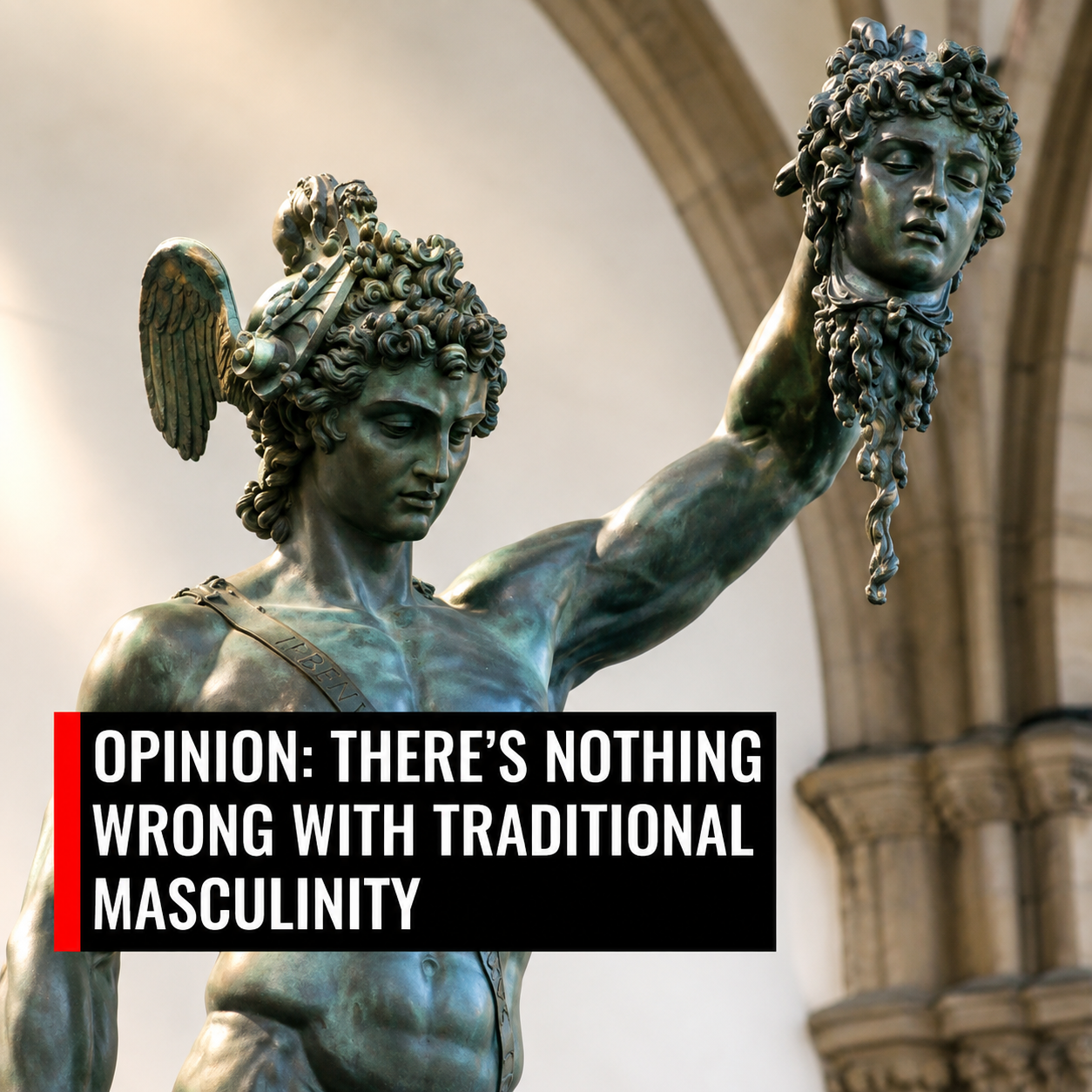
Mac Ghlionn’s opinion piece directly challenges arguments presented by ABC contributor Gary Nunn, whose July article suggested that rigid, traditional expectations placed on boys and men contribute to poorer mental health, isolation and harmful behaviour while advocating a broader understanding of masculinity.
Instead, Mac Ghlionn contends that masculinity itself is not the problem. He argues that blaming traditional masculine values for wider social problems mistakes individual behaviour for inherent character traits, comparing it to blaming fire rather than the person who misuses it.
“Masculinity is not toxic. It never was,” he writes, rejecting the increasingly common use of the phrase “toxic masculinity” as an explanation for violence, social disconnection and male distress.
Throughout the essay, Mac Ghlionn insists that harmful behaviour is not exclusive to men nor to masculinity itself. Rather than speaking about “toxic masculinity”, he argues society should recognise that there are simply toxic individuals across every background and circumstance.
He uses historical examples to illustrate his point, arguing that many of history’s defining acts of courage reflected traditional masculine virtues rather than harmful stereotypes.
One example highlighted in the article is the sinking of RMS Titanic in 1912, where many men reportedly gave up places on lifeboats so that women and children could escape first. Mac Ghlionn argues those actions reflected duty, courage and self-sacrifice rather than something requiring social correction.
He makes a similar argument regarding Allied troops during the D-Day landings in Normandy in 1944, describing young soldiers who experienced fear and grief while simultaneously demonstrating extraordinary resilience and commitment to others.
According to Mac Ghlionn, such examples demonstrate that emotional expression and traditional masculine virtues have never been mutually exclusive.
The opinion piece takes particular aim at the concept of “expansive masculinity” promoted in the ABC article. Gary Nunn’s feature profiled Australian fathers, educators and community organisations encouraging boys to combine traditionally masculine characteristics with emotional openness, compassion and stronger interpersonal relationships. The article argued that moving beyond rigid stereotypes could improve wellbeing among boys and men.
Mac Ghlionn questions whether many of the behaviours described as part of expansive masculinity are actually new. He argues that qualities including kindness, compassion, emotional support and responsible fatherhood have long existed among men without requiring a redefinition of masculinity.
In his view, contemporary discussions often portray traditional masculine characteristics such as stoicism, competitiveness, physical resilience and self-sacrifice with undue suspicion while celebrating softer traits as inherently preferable.
The essay further argues that this creates an imbalance in how boys receive messages about their identity.
Mac Ghlionn criticises the notion that boys should first be warned about the dangers supposedly associated with masculinity before being encouraged to develop confidence, responsibility and purpose. He suggests repeated cultural messaging that emphasises what boys should avoid can leave many feeling alienated or uncertain about positive male identity.
The debate reflects wider conversations occurring across Australia and internationally about the role of masculinity in modern society.
Gary Nunn’s ABC article drew on interviews with fathers, educators and organisations supporting boys and men. It also referenced research suggesting rigid adherence to narrow masculine norms can be associated with poorer mental health outcomes, greater acceptance of violence and reluctance to seek help.
Among the examples highlighted by the ABC feature were fathers embracing primary caregiving roles, men encouraging emotional openness among boys and community initiatives seeking to reduce isolation while maintaining positive male role models.
Research published this year in the Australian Journal of Psychology similarly found that attitudes towards masculinity among boys, parents and school staff are diverse, encompassing both traditional understandings centred on responsibility, strength and protection as well as broader conceptions emphasising flexibility and emotional expression. The study concluded that masculinity is understood differently across individuals and contexts rather than existing as a single fixed model.
The terminology itself remains contested.
The phrase “toxic masculinity” has generated debate for years among academics, psychologists and commentators. Some argue it refers only to harmful behaviours associated with certain masculine norms rather than masculinity as a whole, while critics maintain the language unfairly implies masculinity itself is inherently problematic. ABC has previously reported similar disagreements among experts regarding the term’s interpretation.
Mac Ghlionn aligns firmly with the latter view. He argues civilisation has historically depended upon masculine virtues that are “properly directed” rather than dismantled.
He concludes that strength, discipline, courage, confidence and willingness to sacrifice for others remain valuable characteristics when guided by integrity and responsibility. In his assessment, these traits have helped build families, protect communities and support future generations.
The article ultimately frames the current debate not as one over whether men should be compassionate or emotionally aware, but over whether traditional masculinity itself deserves rehabilitation or defence.
As discussions surrounding gender, identity and social expectations continue in Australia and elsewhere, competing perspectives such as those presented by Gary Nunn and John Mac Ghlionn illustrate how questions about modern masculinity remain among the most contested cultural issues of the moment.
John Mac Ghlionn is an essayist and cultural commentator whose work frequently examines social change, institutional trust and family trends. Gary Nunn is a freelance journalist and ABC contributor whose recent Long Read explored evolving concepts of masculinity and their impact on boys and men.






