A comprehensive investigation has been launched after a woman in her late 90s died at her Melbourne home following a wait of almost three hours for emergency medical assistance after a suspected fall, prompting renewed scrutiny of ambulance response times and emergency triage procedures across Victoria.
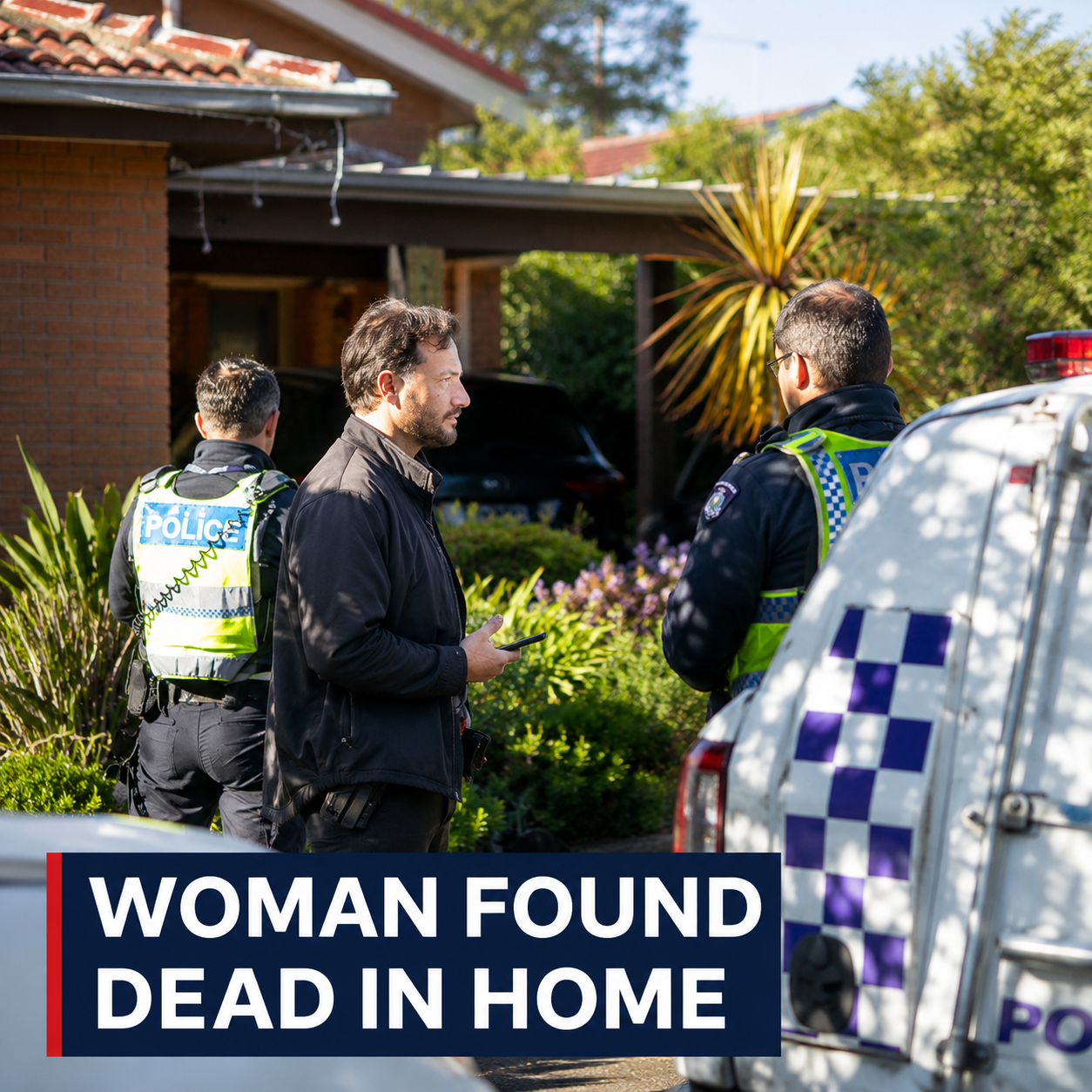
The woman, understood to be 98 years old, was living independently at her home in Hoppers Crossing when she reportedly activated her personal medical alarm at about 4am on Friday after what is believed to have been a fall.
According to information released following the incident, the medical alarm provider contacted Triple Zero (000), which referred the case to Ambulance Victoria’s clinical triage system. Emergency dispatchers attempted to contact a phone number linked to the woman’s medical alarm but were unable to reach anyone.
The incident was reportedly categorised as a Code 3 response, indicating that dispatchers assessed there was no immediate life-threatening information available at the time of the call. That classification meant the case was assigned a lower operational priority while higher-acuity emergencies continued to receive immediate ambulance resources.
Paramedics eventually arrived at the address almost three hours after the alarm had been activated. Unable to gain entry to the home, they requested assistance from Fire Rescue Victoria, whose crews forced entry into the property.
Sadly, the woman was found deceased inside.
Victoria Police are preparing a report for the Coroner, although authorities have indicated there are no suspicious circumstances surrounding the woman’s death.
The tragic outcome has prompted Ambulance Victoria to begin what it describes as a comprehensive clinical review into every stage of the emergency response.
Chief Executive Jordan Emery extended condolences to the woman’s family, describing the incident as deeply distressing while confirming the organisation would examine the circumstances in line with its clinical governance processes.
The review is expected to consider how the call was assessed, whether the available information supported the Code 3 classification, how resources were allocated at the time, and whether existing procedures were followed appropriately.
One aspect expected to receive particular attention is the role played by the personal medical alarm.
Medical alarm systems are commonly used by elderly Australians who wish to continue living independently. When activated, they typically connect to a monitoring service that contacts emergency services if required. However, responders often have limited information about the patient’s actual condition unless two-way communication can be established or another person is present to provide details.
In this case, dispatchers reportedly made repeated attempts to contact the woman through the phone number linked to the alarm but received no response. Without confirmation of the patient’s condition, the emergency call proceeded through the standard triage process using the information available at the time.
Victoria’s ambulance dispatch system uses internationally recognised clinical triage protocols to prioritise patients according to the likelihood of immediate danger to life. Cases involving cardiac arrest, unconscious patients, severe trauma or other life-threatening emergencies receive the highest priority, while incidents assessed as stable but requiring medical assessment may receive lower classifications.
Emergency services note that triage decisions can change if additional information becomes available, particularly where a patient’s condition deteriorates or further evidence suggests an immediate threat to life.
The incident has also renewed discussion about the broader pressures facing Victoria’s emergency health system, particularly during winter when ambulance demand traditionally increases.
Ambulance Victoria has previously acknowledged that winter months bring higher levels of respiratory illness, increased hospital presentations and greater demand for emergency transport. At times of exceptional demand, resources must be directed towards the most critical patients first while less urgent cases experience longer waiting times.
The organisation has also worked in recent months to improve hospital handover times, enabling ambulance crews to return to the community more quickly after delivering patients to emergency departments. Ambulance Victoria reported earlier this year that statewide hospital clearing times had improved compared with the previous year, helping reduce response times for the most critical emergencies.
Despite those improvements, incidents involving prolonged waits continue to attract public concern, particularly when elderly or vulnerable patients are involved.
Falls remain one of the leading causes of injury-related hospitalisations among older Australians. Health authorities encourage older people who live alone to use medical alert devices, maintain regular contact with family or neighbours and ensure emergency contact information linked to alarm systems remains up to date.
Emergency clinicians also emphasise that determining the severity of a fall over the phone can be difficult. Some falls result in only minor injuries, while others may involve serious internal bleeding, fractures or head trauma that are not immediately apparent without direct assessment.
Because emergency dispatchers must rely largely on the information available during the initial call, the quality and completeness of that information can significantly influence how quickly resources are allocated.
Fire Rescue Victoria’s involvement in the incident highlights the close cooperation between Victoria’s emergency agencies. Firefighters are regularly called upon to assist paramedics by forcing entry into homes when patients cannot unlock doors or when rapid access is required to reach someone believed to be inside.
While the investigation continues, authorities have not indicated whether an earlier ambulance arrival would necessarily have changed the outcome. Determining the woman’s medical condition, the timing of her injuries and whether earlier treatment could have altered the course of events will ultimately fall within the Coroner’s investigation and Ambulance Victoria’s clinical review.
The findings are expected to examine not only the individual circumstances of this case but also whether any operational or procedural improvements should be considered to reduce the likelihood of similar tragedies occurring in the future.
For the woman’s family, however, the focus remains on the loss of a loved one whose final hours have become the subject of intense public attention.
As Victoria’s emergency services continue to balance rising demand with finite ambulance resources, the case is likely to contribute to broader discussions about emergency call prioritisation, aged care support for people living independently and the challenges of providing timely emergency medical care during periods of sustained pressure on the health system.






