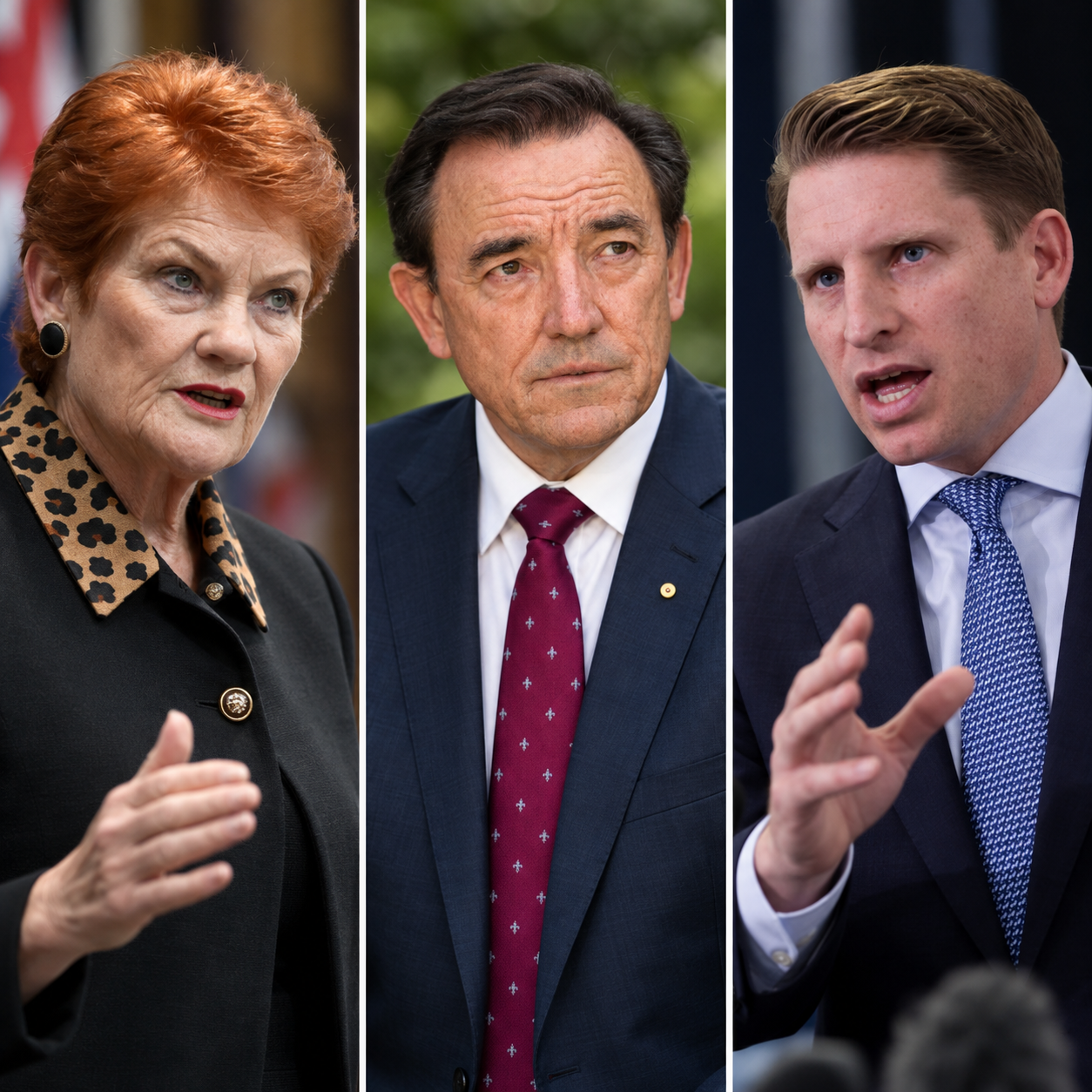
One Nation leader Pauline Hanson has suffered another major legal defeat after the Full Federal Court unanimously dismissed her appeal against an earlier ruling that she breached Australia’s Racial Discrimination Act 1975.
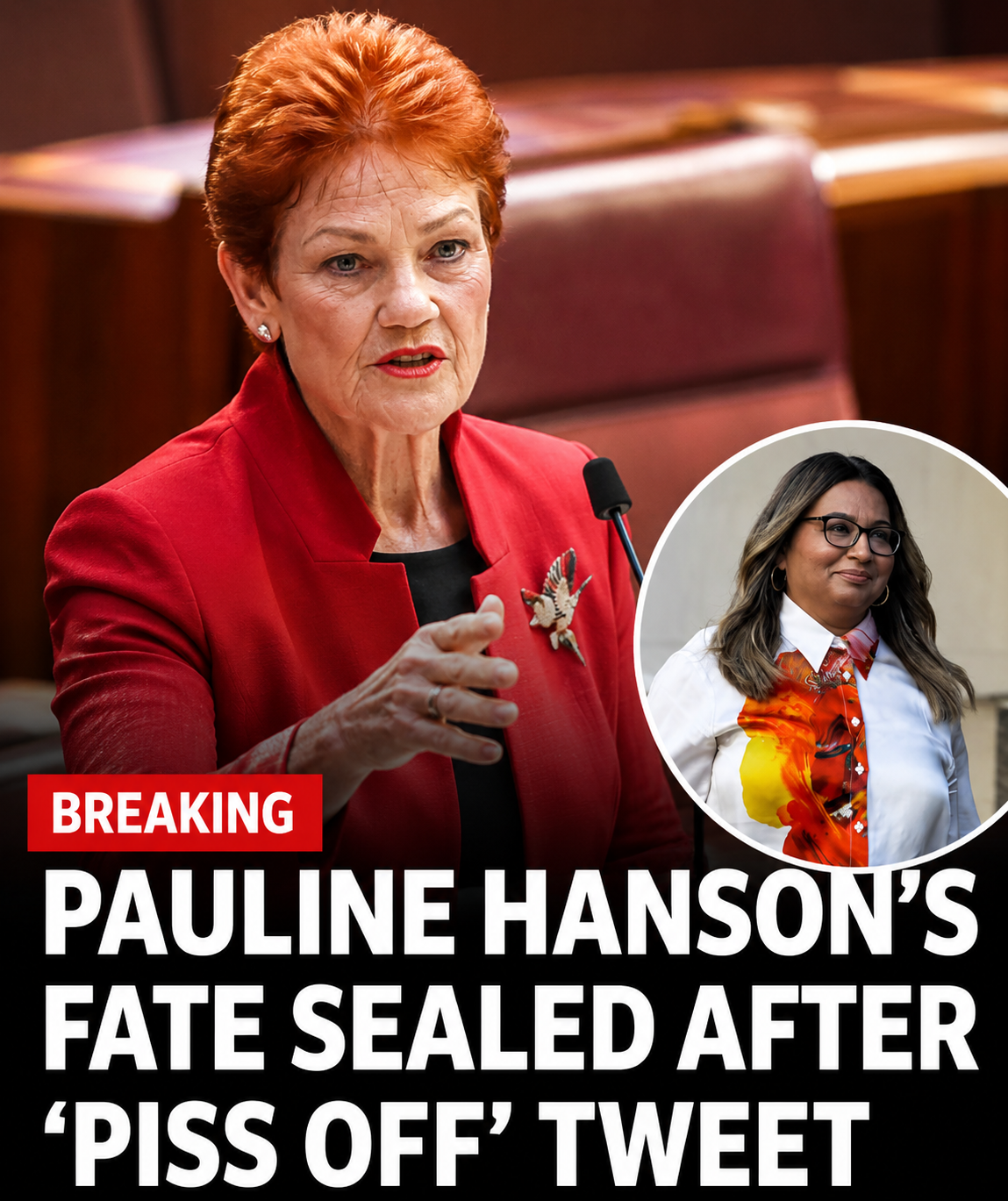
The judgment confirms an earlier finding that Senator Hanson unlawfully racially vilified Greens deputy leader Mehreen Faruqi when she told the senator to “pack your bags and piss off back to Pakistan” during a heated social media exchange following the death of Queen Elizabeth II in September 2022.
The unanimous decision from three Federal Court judges represents one of the most closely watched legal rulings involving Section 18C of Australia’s Racial Discrimination Act in recent years and is likely to influence future disputes involving political speech, racial discrimination and freedom of expression.
While Senator Hanson has indicated she is considering taking the matter to the High Court of Australia, legal experts note that obtaining special leave to appeal is far from guaranteed, meaning Monday’s decision could ultimately stand as the final judicial word on one of Australia’s highest-profile racial discrimination cases.
The dispute began in September 2022, only hours after Buckingham Palace announced the death of Queen Elizabeth II.
Greens deputy leader Mehreen Faruqi posted a message expressing sympathy for Australians mourning the late monarch while simultaneously criticising Britain’s colonial legacy.
In her social media post, Senator Faruqi wrote that although she could not mourn “the leader of a racist empire built on stolen lives, land and wealth of colonised people”, she extended her condolences to those grieving the Queen’s passing.
The comments immediately generated significant political debate, with supporters defending her right to criticise colonial history while critics accused the Greens senator of showing disrespect during a period of national mourning.
Among those responding was Pauline Hanson.
The One Nation leader criticised Senator Faruqi’s comments before posting a message stating that the Greens senator had benefited from Australia after migrating to the country by becoming a citizen, purchasing homes and serving in Parliament.
Senator Hanson concluded the message by writing: “It’s clear you’re not happy, so pack your bags and piss off back to Pakistan.”
The exchange rapidly spread across social media and became one of the most widely discussed political controversies of the year.
Rather than remaining a political argument, however, the dispute soon entered the courts.
Senator Faruqi commenced legal proceedings alleging the comments breached Section 18C of the Racial Discrimination Act because they targeted her race, colour and national or ethnic origin.
She argued that the statement was not merely a political insult but relied upon a long-standing racist trope commonly directed towards migrants and Australians from minority ethnic backgrounds.
After hearing extensive evidence, Justice Angus Stewart ruled in November 2024 that Senator Hanson had contravened the legislation.
The judge found that race and ethnic origin formed a substantial reason why the statement had been made and that the comments were reasonably likely to offend, insult, humiliate or intimidate because of those characteristics.
Justice Stewart rejected arguments that the tweet should simply be viewed as ordinary political disagreement, concluding that its wording crossed the legal threshold established under Australia’s anti-discrimination legislation.
Only weeks after that judgment, Senator Hanson announced she would challenge the ruling before the Full Federal Court.
Her appeal argued that the original decision incorrectly interpreted Section 18C and gave insufficient weight to constitutional protections for political communication.
The appeal also raised broader concerns about whether Australians are becoming increasingly reluctant to express political opinions because of anti-discrimination laws.
Following a three-day hearing late last year, the Full Federal Court unanimously rejected those arguments.
Justices Melissa Perry, Geoffrey Kennett and Elizabeth Bennett concluded that the earlier decision contained no legal error requiring intervention.
In a detailed judgment, the court found that an offensive statement directed at one individual because of race can also reinforce damaging stereotypes affecting others who share the same racial or ethnic background.
The judges wrote that Senator Hanson’s attempt to distinguish between criticism of Senator Faruqi personally and criticism based upon her ethnic background could not be sustained.
“Understood in this light,” the judgment stated, “the distinction sought to be drawn by Senator Hanson is illusory.”
The court concluded that one of the reasons for publishing the tweet was Senator Faruqi’s race, colour and national or ethnic origin.
The judges also addressed the broader constitutional issues raised during the appeal.
Australia’s implied freedom of political communication has frequently been invoked in cases involving political speech. However, the Full Court said constitutional protection does not automatically invalidate legislation designed to prohibit racial discrimination.
According to the judgment, political debate may legitimately involve vigorous criticism, disagreement and even insults. Nevertheless, Parliament remains entitled to impose carefully framed legal limits where speech unlawfully targets protected characteristics such as race or ethnic origin.
The decision therefore reinforces previous High Court authority recognising that political communication and anti-discrimination protections can coexist within Australia’s constitutional framework.
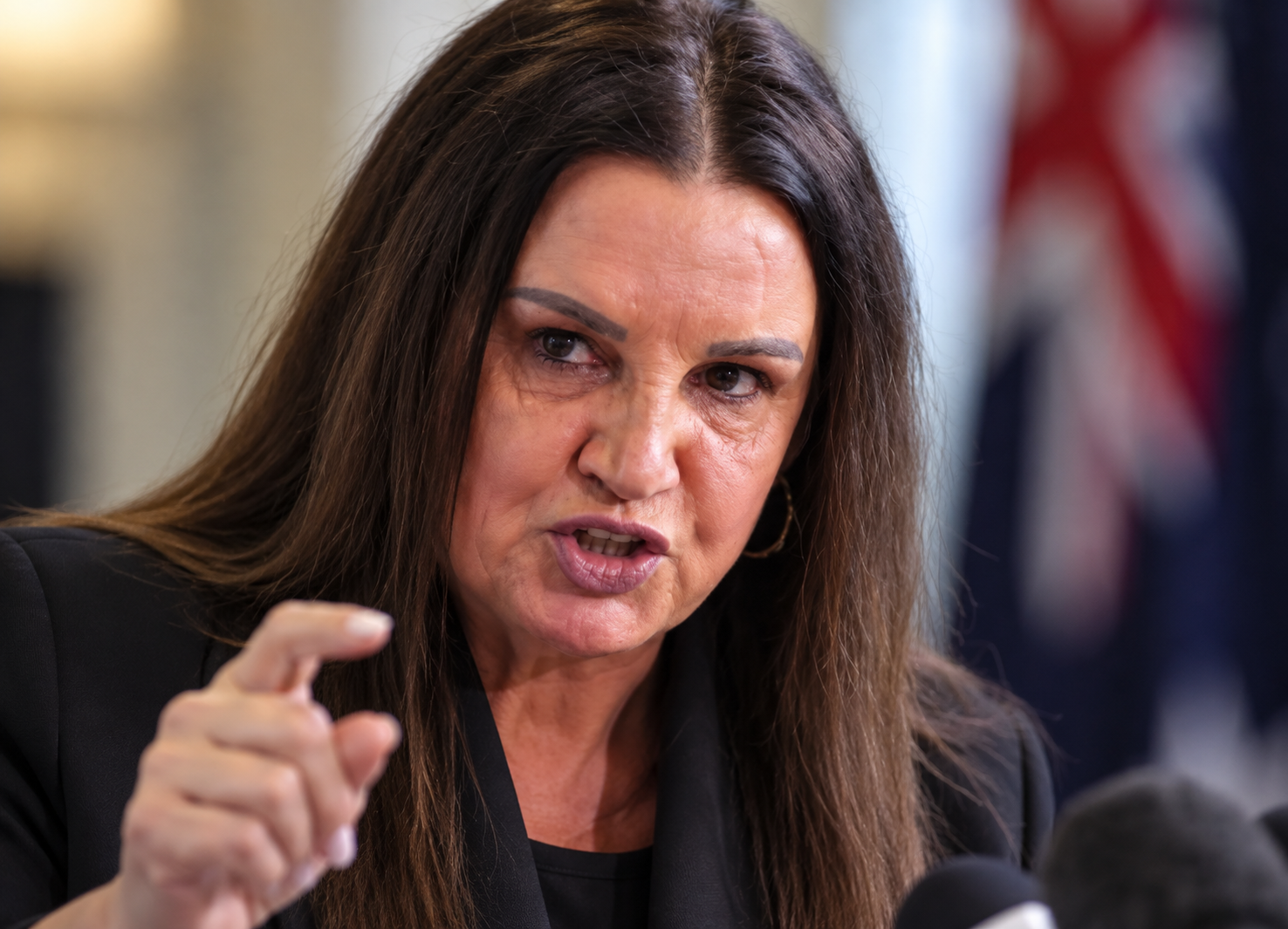
Outside the Federal Court, Senator Faruqi welcomed the unanimous ruling, describing it as a victory extending well beyond her own legal case.
Clearly emotional while addressing reporters, she said the judgment belonged to everyone who had ever been told they did not belong in Australia because of their cultural background.
“Today’s win is for every single person out there who has been told to go back to where you came from,” Senator Faruqi said.
She argued that racism continues to affect many Australians and warned against allowing hate speech to become normalised within political discourse.
Senator Faruqi also rejected suggestions that the case represented an attack on free speech, insisting instead that Australians should distinguish between robust political disagreement and racial abuse.
When asked whether she expected Senator Hanson to continue the legal battle in the High Court, she replied that the decision rested entirely with the One Nation leader.
Senator Faruqi said the court’s ruling demonstrated that Australia’s legal system remained capable of protecting people from racial abuse while preserving democratic debate.
“Hate speech is not free speech,” she told reporters.
“Hate speech is being normalised in this country right now and I, for one, will not be a bystander. I will stand up to hate in the streets, in Parliament and in courtrooms.”
When questioned about Senator Hanson’s stated intention to seek special leave to appeal to the High Court, Senator Faruqi responded that she was prepared for the legal battle to continue.
“That’s Senator Hanson’s decision. If she wants to defend herself in the High Court, then bring it on,” she said.
Pauline Hanson, meanwhile, expressed disappointment with the outcome while indicating the litigation may not yet be over.
In a written statement released after the appeal decision, the One Nation leader said she and her legal advisers would carefully examine the Full Federal Court’s reasons before determining whether to pursue Australia’s highest court.
“My legal team and I will now closely review the decision in the coming days, with a view to commencing an appeal in the High Court of Australia,” Senator Hanson said.
She also argued the case reflected a broader shift in Australia’s public discourse, claiming many Australians now felt constrained in expressing their opinions for fear of breaching discrimination laws.
“Public discussion in Australia has become almost totally silenced by laws and rules which prevent ordinary people expressing their personal views in case some small part of our society takes some sort of offence or feels hurt or distressed,” she said.
That argument reflects a long-running political debate surrounding Section 18C of the Racial Discrimination Act 1975, which has divided Australian politics for more than a decade.
The provision makes it unlawful to publicly engage in conduct that is reasonably likely to offend, insult, humiliate or intimidate another person because of their race, colour, or national or ethnic origin.
Supporters argue the legislation provides an important safeguard against racial abuse and helps protect members of minority communities from discrimination that can undermine social cohesion.
Critics, however, have frequently argued that the wording of Section 18C sets the legal threshold too low and risks discouraging legitimate political discussion, satire and controversial opinion.
The provision has repeatedly become the subject of parliamentary debate.
Coalition governments considered reforms to Section 18C on several occasions, arguing that Australians should enjoy broader protections for freedom of expression. Those proposals ultimately failed after significant public and political opposition.
As a result, the legislation remains substantially unchanged and continues to provide the legal framework applied in cases such as the dispute between Senator Hanson and Senator Faruqi.
The Full Federal Court’s judgment also provides important clarification regarding how the legislation should be interpreted.
The judges rejected the argument that a statement directed toward one individual cannot simultaneously affect broader racial communities.
Instead, the court concluded that remarks based upon race or ethnic origin may reinforce harmful stereotypes extending beyond the immediate target.
Legal observers say that aspect of the judgment could prove particularly influential in future litigation involving racial discrimination and public commentary.
The court further emphasised that Australia’s constitutional protection of political communication does not create an unrestricted right to make statements that otherwise contravene valid Commonwealth legislation.
Rather, the judgment confirmed that robust political debate remains protected while Parliament may also legislate to prevent conduct considered unlawfully discriminatory.
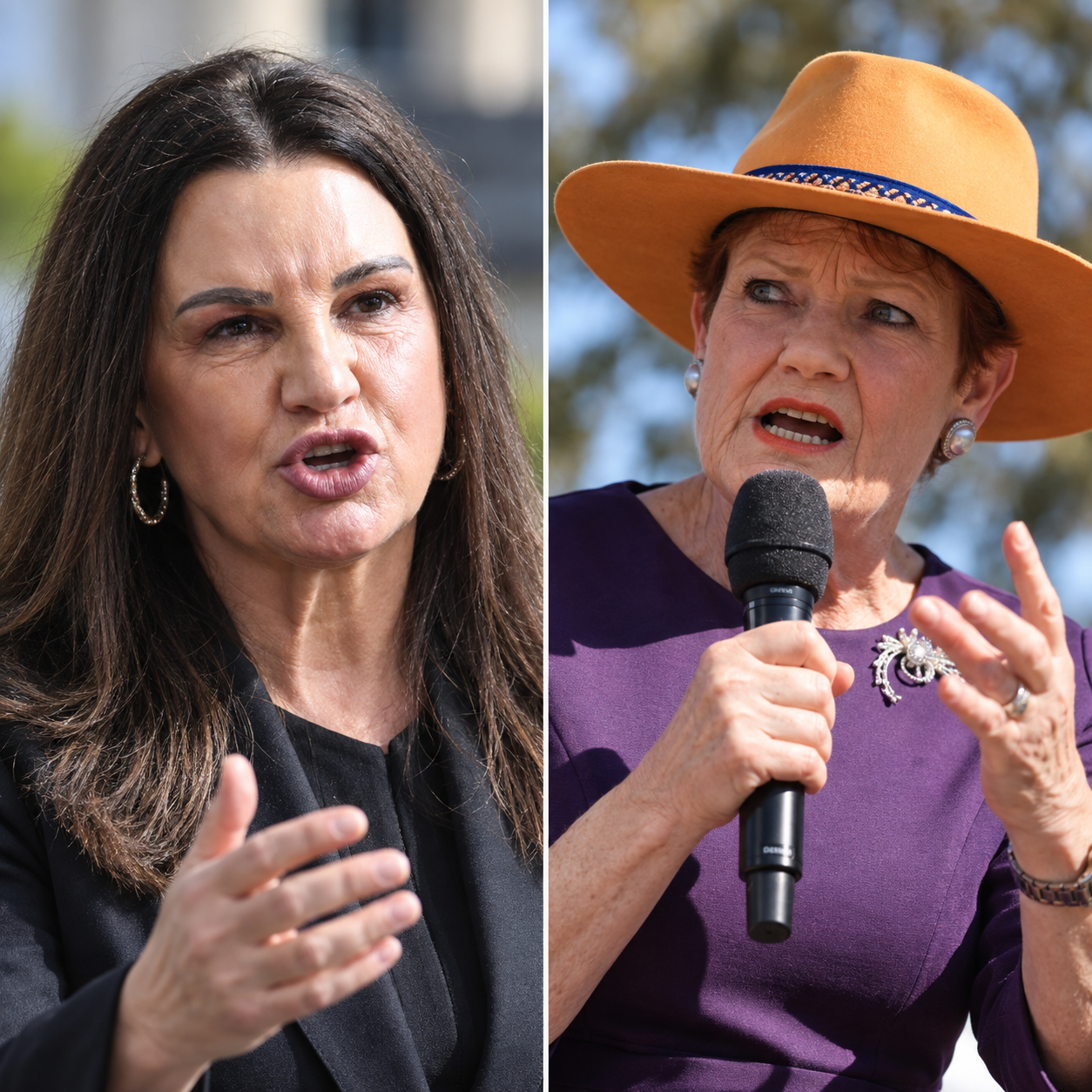
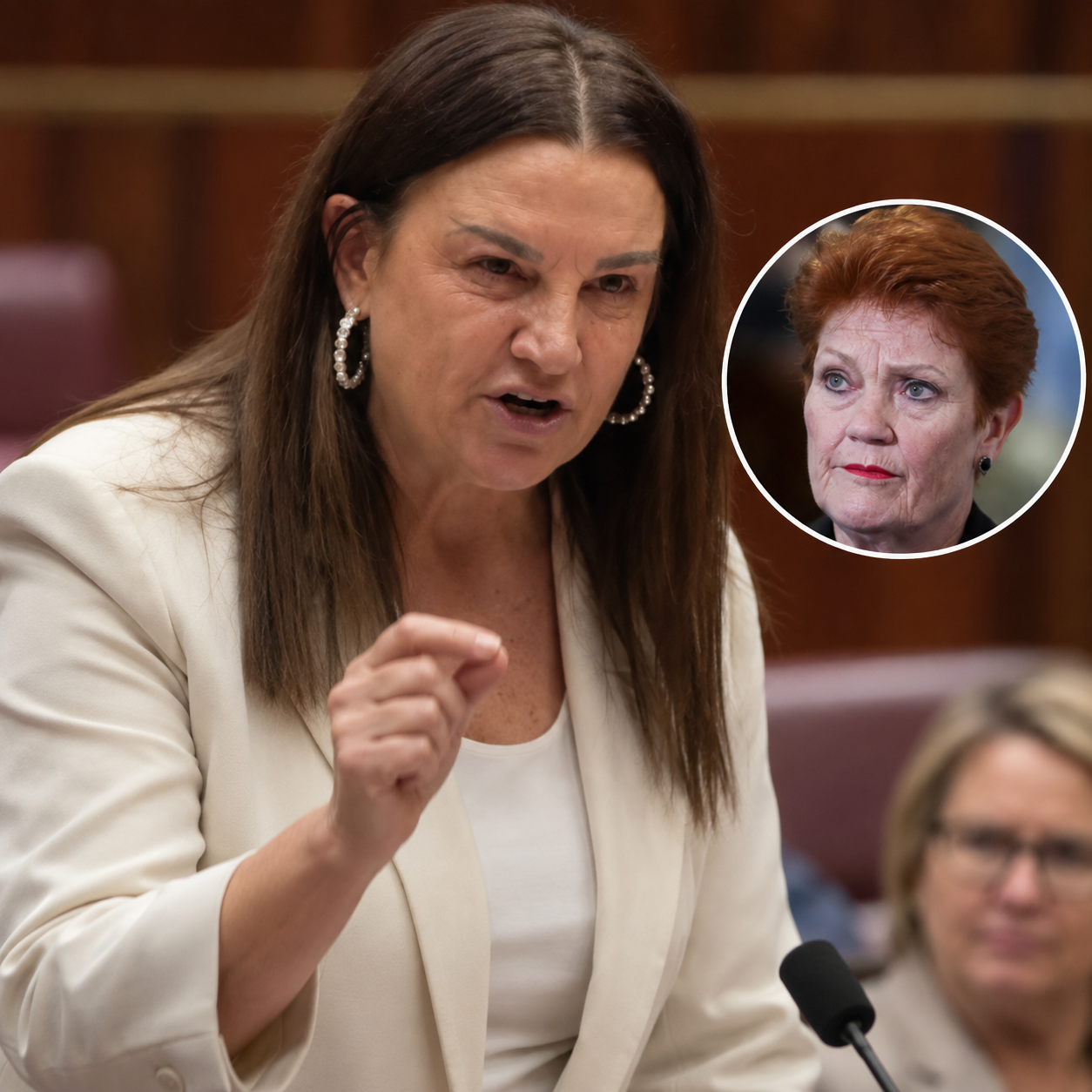
The case has attracted national attention not only because it involves two prominent senators but because it touches upon broader questions about multiculturalism, political speech and the responsibilities of elected representatives.
Both Senator Hanson and Senator Faruqi have become prominent voices on issues relating to immigration, race and national identity, making the dispute emblematic of wider political divisions within Australia.
Legal experts note that if Senator Hanson seeks special leave to appeal, the High Court would first need to determine whether the matter raises issues of sufficient legal significance to justify hearing the case.
Unlike ordinary appeals, parties do not have an automatic right to have matters heard by the High Court. Only a relatively small proportion of applications for special leave are granted each year.
If special leave is refused, Monday’s unanimous Full Federal Court decision will stand as the final judicial determination of the dispute.
If the High Court agrees to hear the matter, however, the case could once again place Section 18C and Australia’s implied freedom of political communication under national scrutiny.
Beyond the constitutional questions, the litigation has already become one of the most significant racial discrimination cases involving federal parliamentarians in recent Australian history.
It demonstrates how comments made on social media by elected officials can carry legal consequences long after the political controversy itself has faded.
For Senator Faruqi, the judgment represents a personal legal victory as well as what she describes as a broader affirmation that Australians should not be subjected to racial abuse because of their heritage or background.
For Senator Hanson, the outcome reinforces the legal limits imposed by Australia’s anti-discrimination laws while leaving open one final avenue of appeal should she decide to seek intervention from the High Court.
Regardless of whether the litigation continues, the case has already become a significant reference point in Australian legal and political history, shaping future discussion about the balance between freedom of political expression and protection from racial discrimination.
The parties are expected to return to court at a later date for further proceedings relating to legal costs, bringing another chapter to a case that has remained in the national spotlight since the original exchange on social media nearly four years ago.